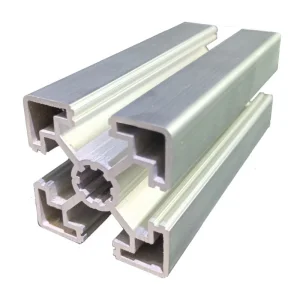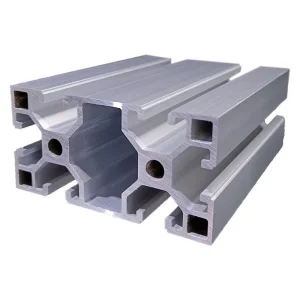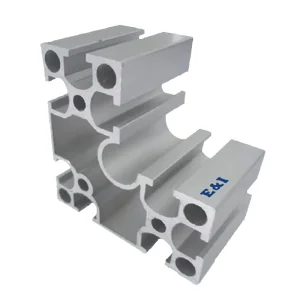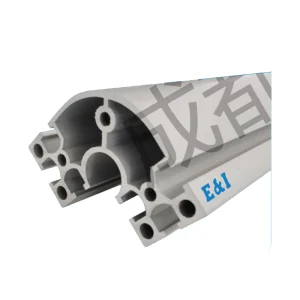
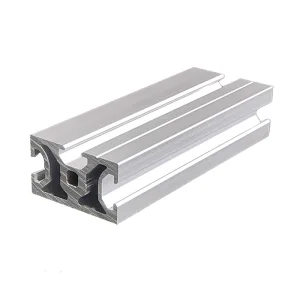
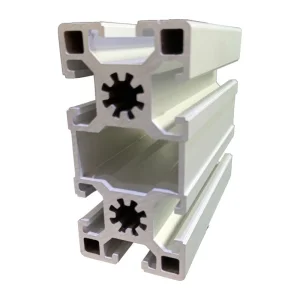
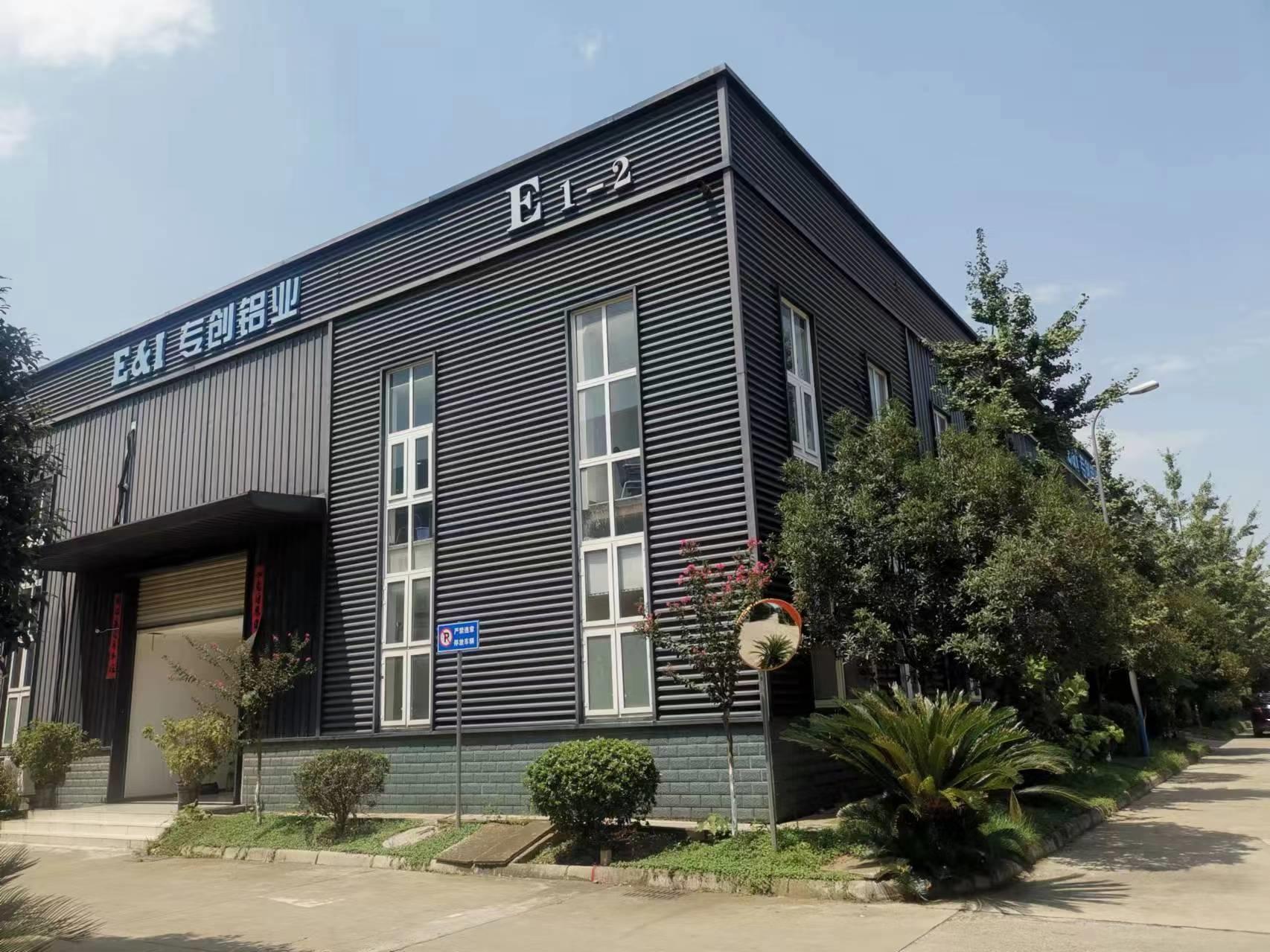
Operating dynamically under the foundational core philosophy of "people-oriented, quality value, technological innovation, and win-win cooperation," Chengdu E&I Aluminum Industry Co., Ltd. stands as an industry-leading titan. We focus deeply on the research, development, and high-precision manufacturing of advanced aluminum alloy products designed to meet highly challenging specifications and strict quality requirements.
Our strategic collaboration with the National Institute of Nonferrous Metals empowers our domestic light alloy technical team with cutting-edge theoretical and practical research capabilities. This allows us to supply global markets with turnkey solutions for structural profiles, precision castings, and high-strength forgings.
By deploying state-of-the-art testing equipment alongside automated production lines, we guarantee that every batch of aluminum extrusions is manufactured to the highest international tolerances. E&I serves elite partners globally, including Fortune Global 500 automotive suppliers, aviation giants, and structural engineering firms, receiving widespread acclaim for our technical competence and superior client support.
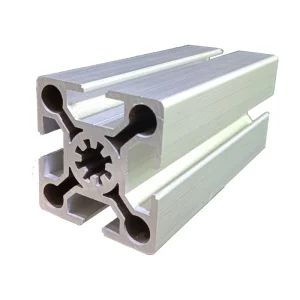
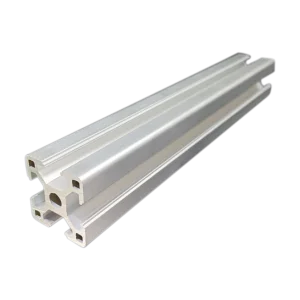
In the sphere of modular automation and structural framing, the term Profile 16 represents a standard characterized by structural efficiency. Specifically, 16mm slot profile configurations are engineered to accommodate light-to-medium structural tasks while preserving material economy and minimizing system weight. The structural geometry of these profiles is critical; finite element analysis (FEA) indicates that the cross-sectional design distributes torsional and axial loads evenly across the profile walls.
Leveraging premium T5 and T6 heat treatments for 6000-series alloys, we ensure excellent yield strength, high corrosion resistance, and post-machining dimensional stability.
Extruded under strict compliance with the GB/T 14846 high-precision standard, our profiles maintain minimal straightness deviation and cross-sectional tolerance variance.
With film thicknesses exceeding 15 microns, our custom acid and alkali resistant surfaces prevent surface scratches, pitting, and degradation under harsh conditions.
Our aluminum profile solutions extend beyond simple linear bars. E&I provides engineered turnkey systems custom-configured to solve operational challenges for major industries globally:
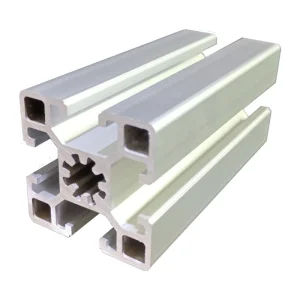
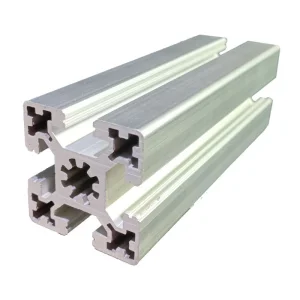
High-speed production facilities require modular structures that can adapt to changing layouts. Our 4545 and 8080 profile series provide the rigid structures required for modern pick-and-place robots, conveyors, and custom automation equipment brackets. T-slot configurations allow for fast sensor mounting, cable routing integration, and structural safety upgrades without welding.
For electronic component manufacturing, dust-free performance is critical. E&I anodized profiles do not generate particles or off-gas, making them suitable for cleanroom environments. Workbenches designed with our profiles feature adjustable heights, integrated electrical outlets, and tool-balancer overhead rails to optimize worker performance.
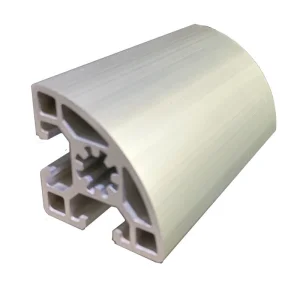
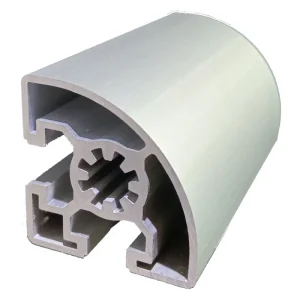
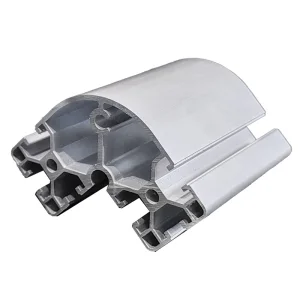
Ensuring safe human-machine interaction is essential in modern factories. E&I offers dedicated safety fencing systems, using lightweight yet strong profiles such as the arc-shaped ENI-6-6630R to construct protective enclosures. These structures prevent access to hazards while matching industrial aesthetics.
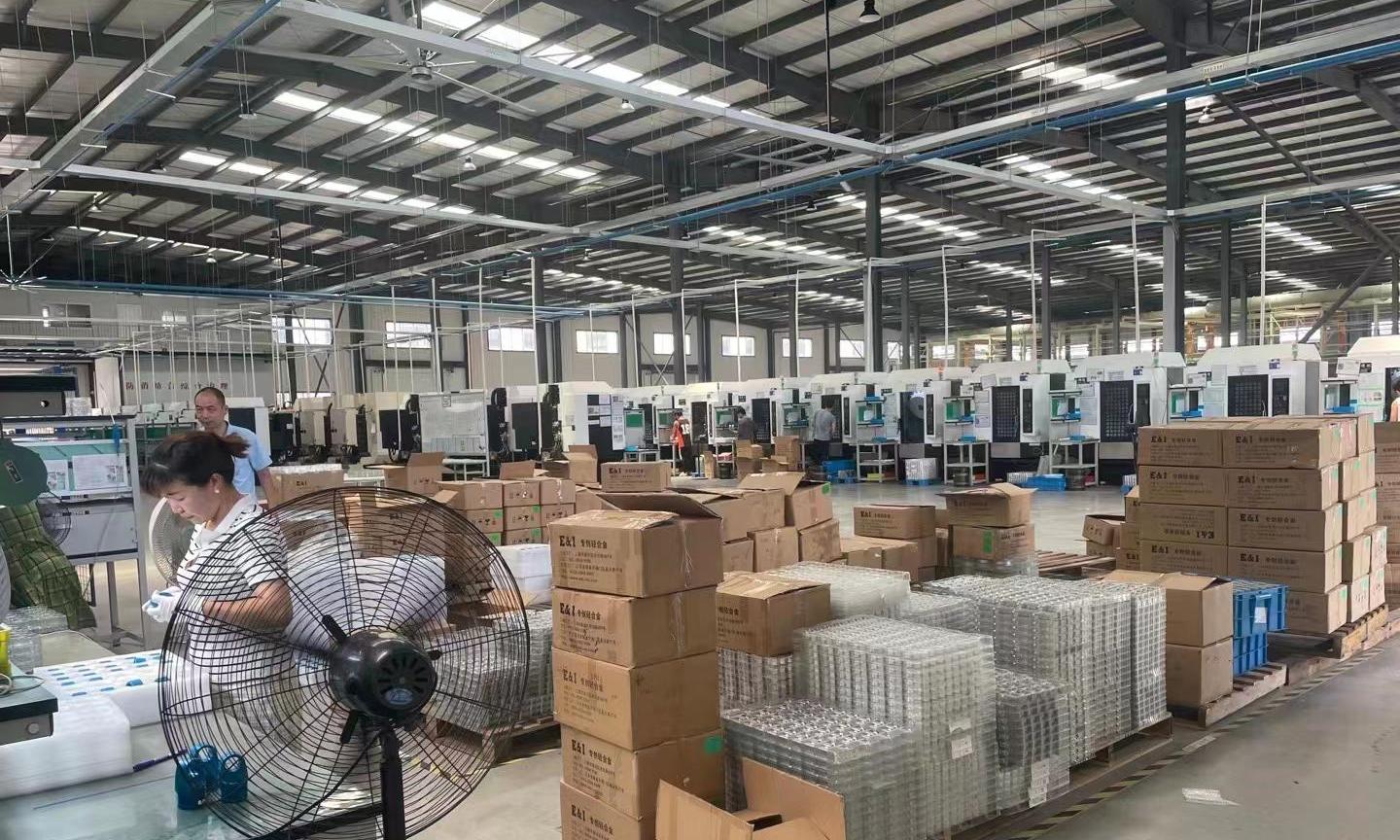
Our quality control department utilizes state-of-the-art diagnostic instruments to evaluate structural profiles. We perform tensile testing, hardness measurements (Vickers and Webster), spectrometer-based chemical alloy checks, and salt-spray testing. This technical verification ensures that our profiles resist corrosion, mechanical fatigue, and thermal expansion over long lifecycles.
E&I products comply with major European and American industrial standards, including CE, RoHS, and ASTM. We utilize robust packaging protocols, such as custom wooden crating and PE protective films, to ensure zero-defect delivery across overseas shipping routes. With strategically located warehouse reserves, we maintain rapid fulfillment cycles for international clients.
As the industrial sector transitions toward carbon neutrality, modern manufacturers must implement sustainable practices. E&I is committed to reducing environmental impact through cleaner production and high-efficiency technical roadmaps.
By integrating post-consumer recycled aluminum into our raw material supply, we reduce energy consumption during billet production by up to 90% while maintaining the mechanical integrity of our alloys.
Our chemical anodizing processes utilize advanced recovery loops. Acidic and alkaline components are separated, neutralized, and recycled back into production, resulting in zero-discharge wastewater output.
Integrating advanced 5-axis CNC machining centers allows us to process profile extrusions directly, avoiding manual secondary drilling, cutting, or milling steps for our clients.
6063-T5 exhibits good surface finish properties and extrudability, making it ideal for architectural frames and light machinery guards where aesthetic appearance is critical. 6061-T6 is a high-strength structural alloy featuring higher concentrations of silicon, magnesium, and copper. It provides significantly higher tensile strength and yield stress limits, making it suitable for load-bearing structures, heavy automation equipment, and transportation frameworks.
Anodizing creates a controlled aluminum oxide layer on the profile surface, which provides wear and corrosion resistance. Anodizing depths of 10 to 15 microns protect profiles in indoor environments, warehouse systems, and office applications. For corrosive industrial environments, chemical processing lines, or marine installations, thicknesses exceeding 15 to 20 microns are required to prevent pitting and oxide breakdown.
T-slot modular aluminum profiles utilize mechanical fasteners (such as T-nuts, angle brackets, and spring fasteners) that fit directly into the slot channels. This eliminates the need for welding, cutting, grinding, and painting. It reduces labor hours, allows for easy adjustment of structural components, and simplifies post-assembly layout changes.
The load-bearing capacity is determined by the profile cross-sectional moment of inertia (Ix, Iy), the modulus of elasticity (approximately 68.9 GPa for aluminum alloys), the unsupported length (span), and the load configuration (point load versus uniformly distributed load). Engineers use these values to calculate maximum deflection and verify safety factors before deployment.