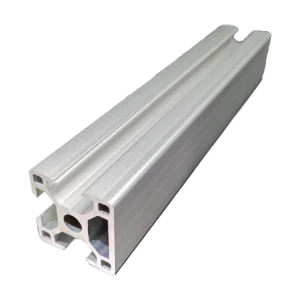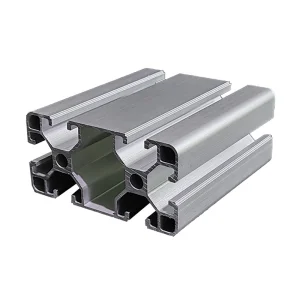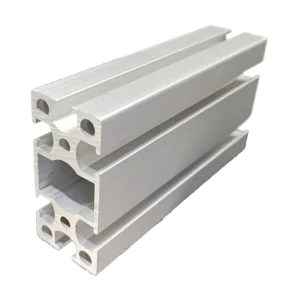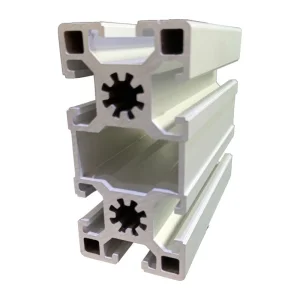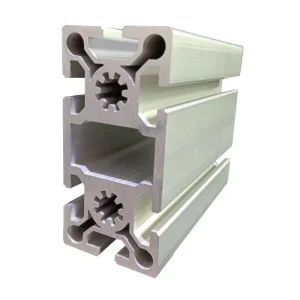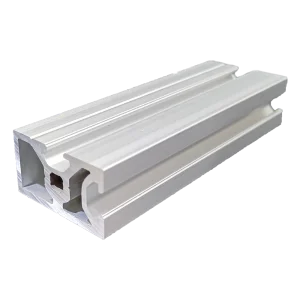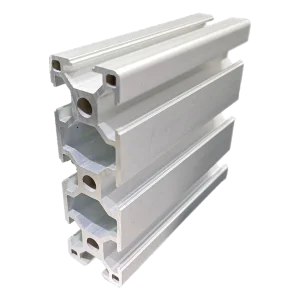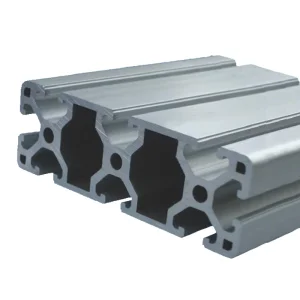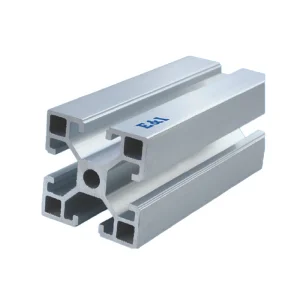
Explore our primary structural selections built for heavy-duty automation systems, framing architectures, and critical mechanical structures.
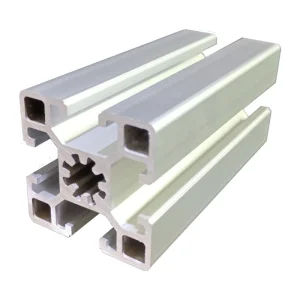
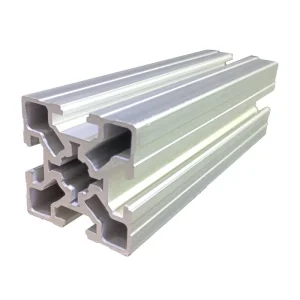
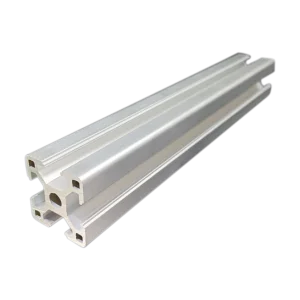
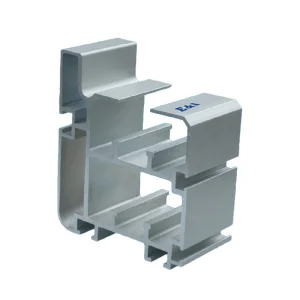
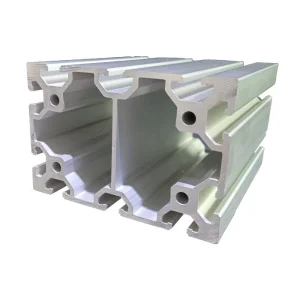
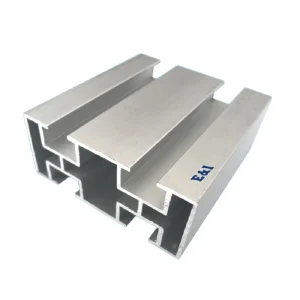
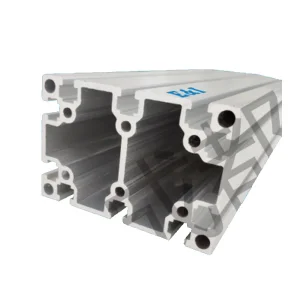
In modern industrial engineering, structural components represent more than mere framing material; they serve as the foundational backbone for high-accuracy operations, automation kinematics, and advanced thermal management. As global supply networks shift towards lightweight, modular, and infinitely recyclable materials, anodized aluminum profiles have emerged as the standard. Selecting the appropriate alloy formulation, extrusion precision, and finishing treatment dictates the operational efficiency and long-term mechanical durability of industrial hardware setups.
As a leading authority in aluminum processing, Chengdu E&I Aluminum Industry Co., Ltd. operates at the intersection of metallurgy and high-fidelity production. By integrating advanced production paradigms with strict alignment to domestic and global structural regulations, we serve the specialized demands of Fortune 500 manufacturers, automotive tier-1 suppliers, and global aerospace enterprises.
"We bridge the gap between complex metallurgical design and physical extrusion performance, providing high-precision aluminum framing systems engineered to survive the most rigorous mechanical stresses."
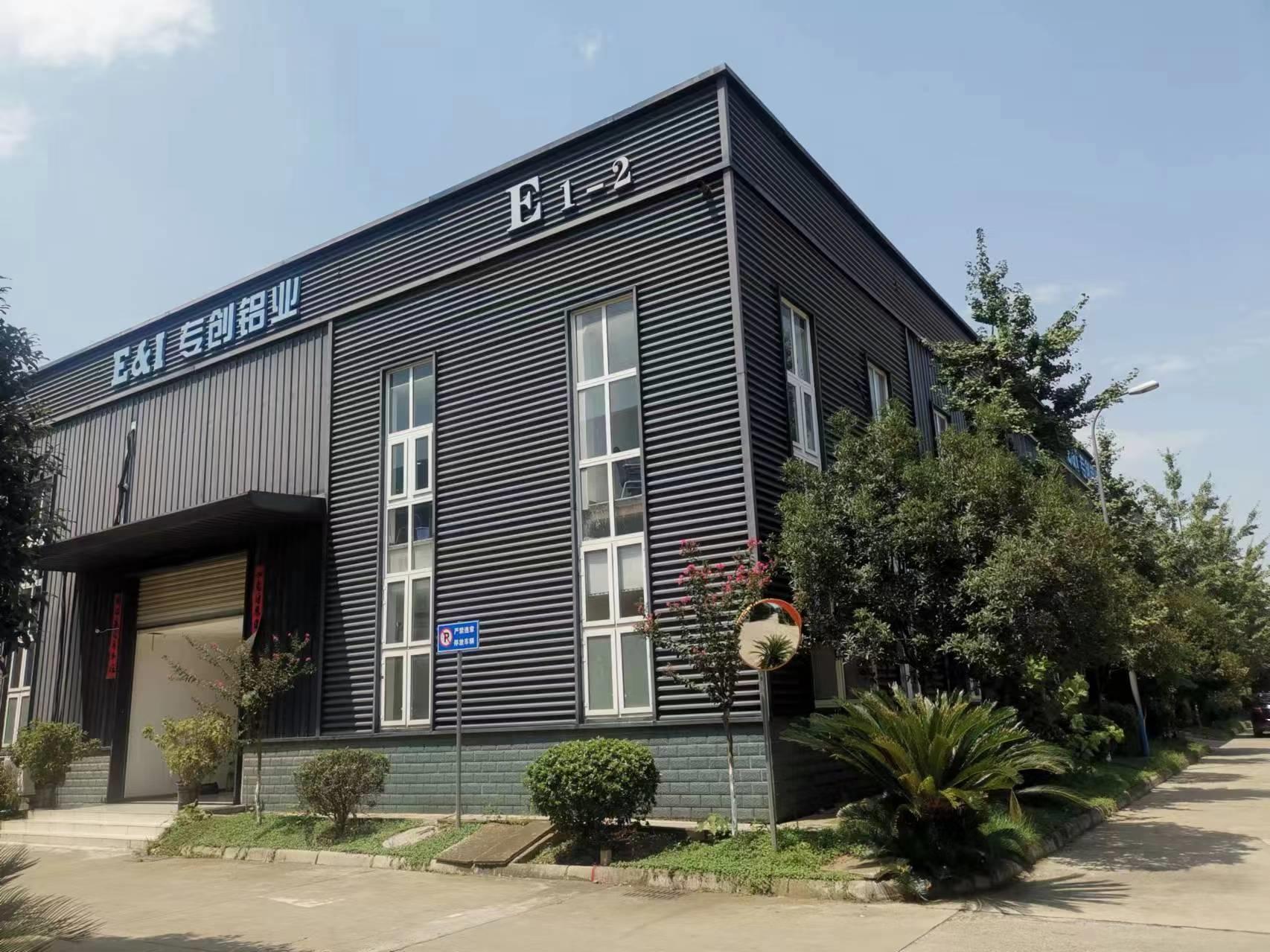
Engineered Precision, Metallurgical Expertise, & Global Standards
Guided by our core values of "people-oriented, quality value, technological innovation, and win-win cooperation", Chengdu E&I Aluminum Industry Co., Ltd. focuses on the engineering, development, and manufacturing of complex, high-precision, and heavy-duty aluminum alloy products. Our comprehensive engineering solutions include specialized profiles, castings, and forgings, custom-tailored to exceed the requirements of modern production environments.
In partnership with The National Institute of Nonferrous Metals, our dedicated light alloy R&D team continuously improves metallurgical performance, structural tolerances, and environmental resilience. By utilizing state-of-the-art extrusion presses, automated anodizing systems, and advanced metrology equipment, we deliver high-value structural components that serve the automotive, electronics, aerospace, and cleanroom sectors worldwide.
Fortune 500 Partners
High-Precision Standard
National Institute Backing
Anodized In-house Finish
Operational principles designed to deliver measurable commercial value and technical advantages to procurement teams worldwide.
We view our engineers and metallurgists as our most valuable asset. We provide continuous technical training, dynamic development opportunities, and competitive compensation to foster a culture of quality, precision, and dedication.
We implement rigorous testing across the entire manufacturing pipeline, from incoming billet quality checking to final micrometric analysis. This ensures that every extrusion profile exhibits dimensional stability and surface finish perfection.
Continuous R&D investment is central to our market leadership. We optimize die engineering, improve extrusion speeds, and design custom alloy configurations to deliver advanced, high-value solutions that exceed traditional specifications.
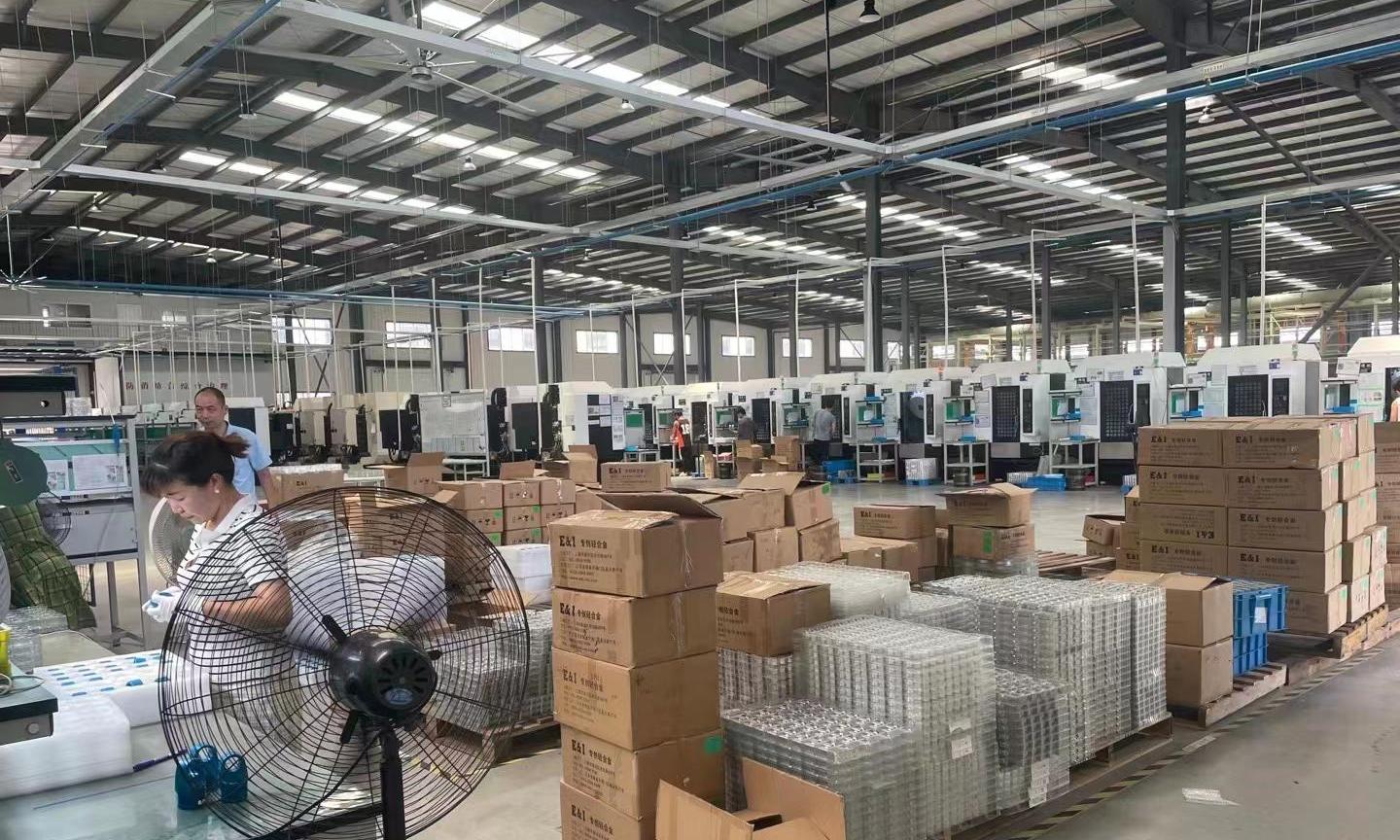
The global demand for high-strength aluminum materials is increasing rapidly, driven by three major industrial trends:
By monitoring these trends, Chengdu E&I designs profiles with ideal weight-to-strength ratios, utilizing advanced extrusion tooling to achieve minimal dimensional variance across long profile lengths.
How advanced production management, smart automation, and integrated finishing lines solve global procurement bottlenecks.
In today's complex global supply chain, purchasing managers prioritize reliability and risk mitigation. Our manufacturing hub in Chengdu is built on a Factory 4.0 framework that combines advanced metallurgy, automated extrusion lines, and in-house surface treatments into a single, cohesive workflow.
By managing the entire production cycle—from custom die design and alloy extrusion to automated anodizing, powder coating, and precision CNC post-processing—we minimize external dependencies and eliminate transit delays between processing facilities. This vertically integrated process ensures uniform quality control, shortens lead times, and allows us to accommodate custom modifications quickly.
Our structural profiles conform to strict national high-precision manufacturing tolerances. By combining clean slot dimensions, standardized groove angles, and robust surface anodizing, we provide secure, anti-loosening joints and high-strength mechanical connections under dynamic vibrational loads.
Standard Alloy Grade
Anodizing Layer Depth
Extrusion Precision Tolerance
Avg Tensile Strength
Highly adapted aluminum profiles built for diverse, demanding environments across international markets.
Utilizing high-strength configurations like the 2.5 times chain profiles, automation engineers build reliable, low-friction conveyor systems. These systems maintain dimensional alignment under high workloads, facilitating smooth transportation of heavy electronic and automotive parts.
Profiles like the ENI-6-6090 feature ultra-smooth, anodized finishes that prevent particulate accumulation. Resistant to harsh chemical cleaning agents, these profiles are ideal for constructing cleanroom framing, bio-containment cells, and laboratory storage solutions.
For large-scale structural frames, our heavy-duty profiles, such as the ENI-8-40120, provide high load capacity and bending resistance. These components replace traditional structural steel, offering significant weight savings and eliminating the need for periodic paint maintenance.
Understanding alloy compositions, heat treatment tempers, and corrosion-prevention technologies.
To ensure high performance in critical industrial applications, selecting the appropriate aluminum alloy grade is essential. We primary work with 6000-series alloys (predominantly 6063 and 6061), combined with precise T5 or T6 artificial aging treatments. This configuration optimizes key mechanical properties:
Additionally, surface anodization alters the oxide layer properties of the alloy. In industrial environments, exposure to atmospheric moisture, cutting fluids, and chemical cleaning agents can quickly corrode untreated metals. Our automated chemical lines apply a dense, controlled anodic oxide barrier (typically 12 to 15 microns thick), increasing wear resistance, providing high dielectric insulation, and ensuring long-lasting aesthetic appeal.
Addressing essential considerations for engineering, procurement, and logistics teams.
We primarily source high-grade 6063 and 6061 aluminum ingots, heat-treated to T5 or T6 tempers. These compositions balance mechanical strength, machining performance, and surface finish quality, making them suitable for most industrial automation and structural applications.
Our production facilities utilize modern stretching equipment and automated run-out tables to maintain precise profile straightness. We verify tolerances against strict high-precision requirements, checking for twist, flat-surface flatness, and overall dimension alignment using digital metrology systems.
We offer automated in-house surface finishing services, including clean clear anodizing, color anodizing, electrophoretic coatings, and custom industrial powder spraying. These treatments provide long-term corrosion resistance and durable aesthetic finishes suitable for various working environments.
This collaboration allows our engineering teams to perform advanced microstructural analyses, mechanical failure simulations, and wear resistance tests on new profile designs. This research capability ensures that we deliver reliable, high-specification products that perform consistently under demanding industrial workloads.
Explore additional high-strength and specialized profiles designed to meet specific engineering criteria, safety guidelines, and architectural needs.