In modern structural design, aluminium alloy stands out due to its high strength-to-weight ratio. However, exposed to aggressive operating environments—ranging from marine salt-laden air to acidic chemical washdowns in automated processing plants—aluminium is susceptible to electrochemical degradation. Understanding aluminium corrosion protection requires looking beyond simple surface-level coatings to examine the microscopic interface of metallurgy, anodic growth, and chemical sealing structures.
Unprotected aluminium alloys rely on a natural passivation layer of aluminium oxide (Al₂O₃), which measures only 2 to 5 nanometers in thickness. While this barrier prevents rapid oxidation in dry atmospheres, it is extremely vulnerable in the presence of halogens (like chloride ions) or extreme pH levels. Industrial plants and factories must implement advanced chemical barriers. Key surface modifications include anodizing (Type II & Type III Hardcoat), fluorocarbon (PVDF) electrostatic liquid spraying, and epoxy-polyester thermosetting powder coatings. These systems suppress anodic and cathodic reactions on the metal surface, extending structural lifetimes from years to decades.
In line with our foundational business philosophy of "people-oriented, quality value, technological innovation, and win-win cooperation", Chengdu E&I Aluminum Industry Co., Ltd. is dedicated to the research, development, and manufacturing of aluminium alloy products with high difficulty, high precision, and high requirements.
Our company relies on the National Institute of Nonferrous Metals, integrating a professional aluminium alloy technology research and development team that represents the absolute forefront of China's light alloy industry. We provide global clients with overall solutions for aluminium alloy products, including high-precision extrusions, castings, and forgings. Our advanced production and testing equipment guarantee product quality, while our professional services create value-for-money commercial value. Over the years, we have built strong strategic partnerships with Fortune Global 500 companies across the automotive, aerospace, rail transit, and automation engineering sectors.
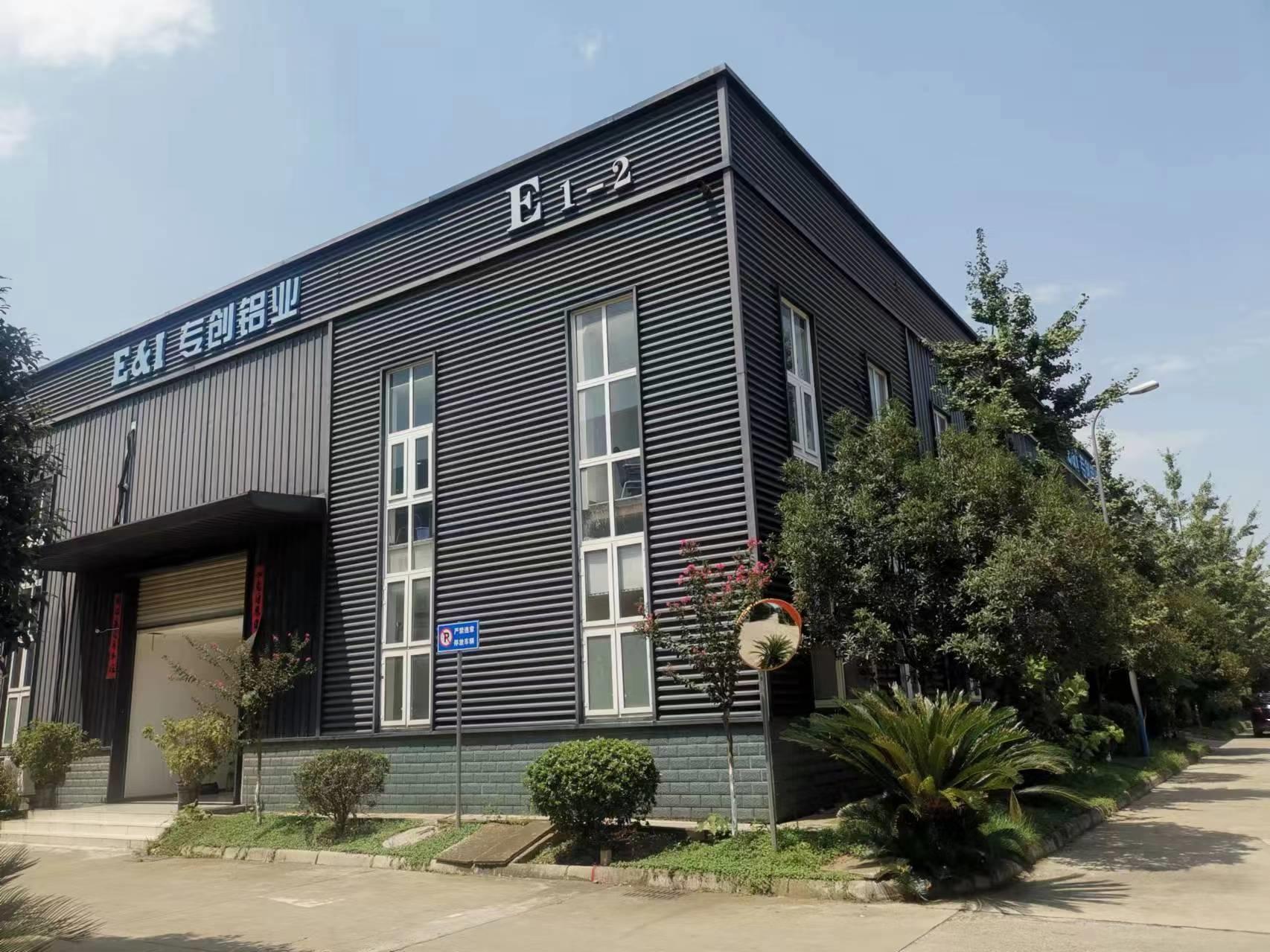
Why are China-based factories leading the global supply chain in high-durability aluminium surface treatments? The answer lies in vertical integration, advanced technological scale, and strict environmental compliance. Chinese factories utilize automated vertical anodizing lines that process thousands of profiles simultaneously. This process guarantees uniform film thickness (within a ±1μm tolerance) across the entire length of the profile.
Combining melting, alloy design, billet casting, precision extrusion, CNC machining, and automated anodizing in a single manufacturing site. This integration limits transport damage, reduces intermediate oxidation, and ensures full control over raw materials.
Implementing closed-loop hot water sealing and low-temperature nickel-free sealing. We also employ organic micro-molecular sealers to block the micropores of anodic films, achieving high salt-spray resistance.
Adjusting trace elements (Mg, Si, Fe, Cu) during casting. Controlling copper and iron content prevents galvanic micro-cell formation within the metal, reducing pitting and mechanical structural failures.
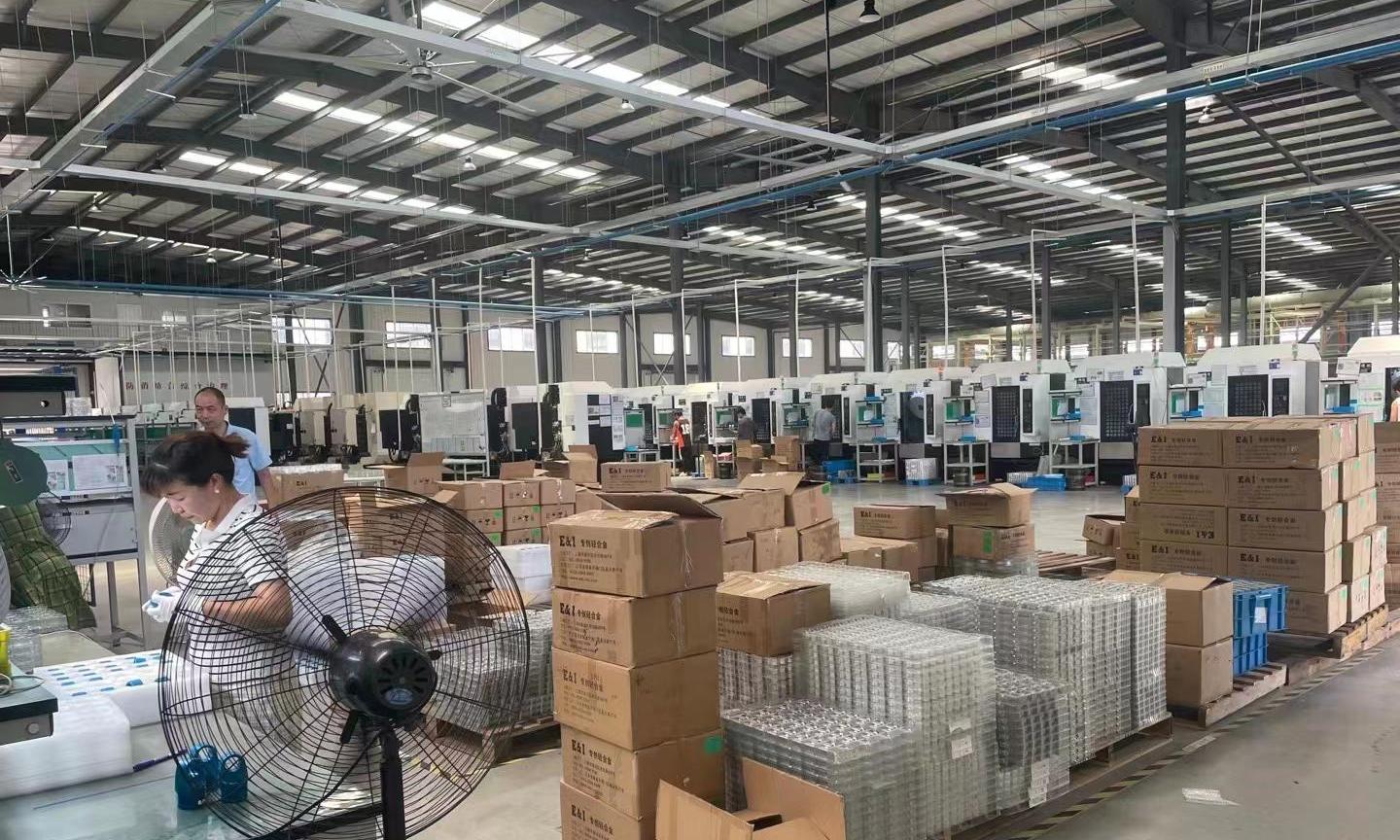
Chengdu E&I Aluminum Industry Co., Ltd. operates advanced structural design facilities, custom tooling fabrication plants, and high-capacity extrusion presses. Our lines feature automatic anodizing and electrostatic powder coating, providing a true one-stop service.
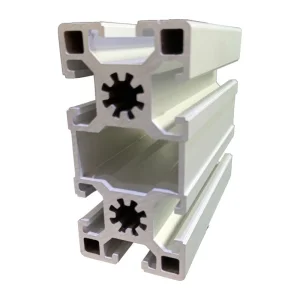
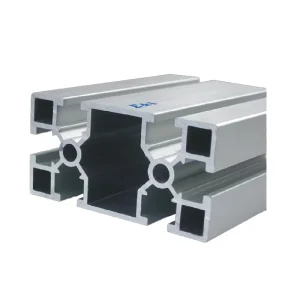
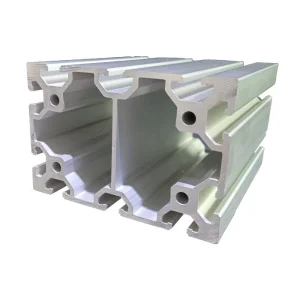
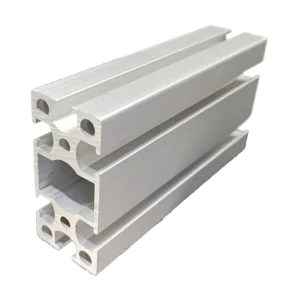
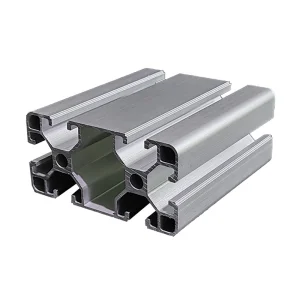
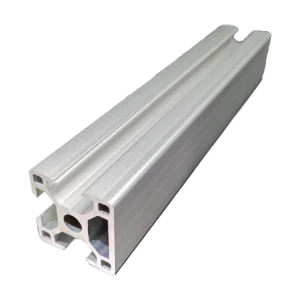
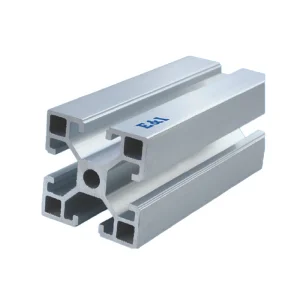
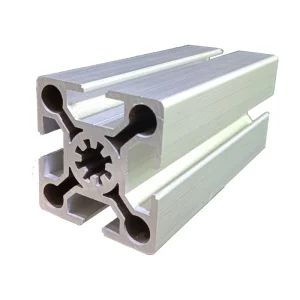
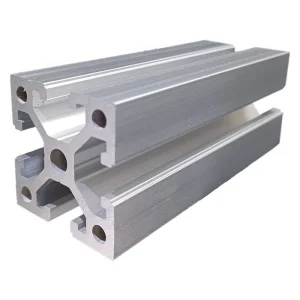
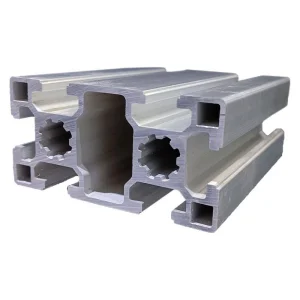
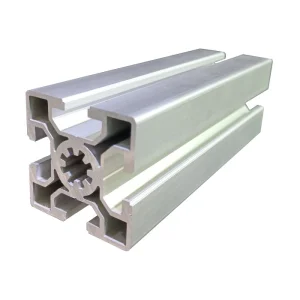
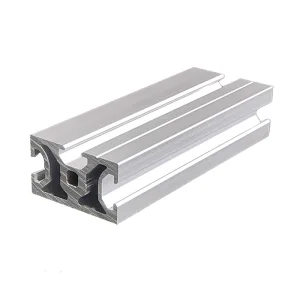
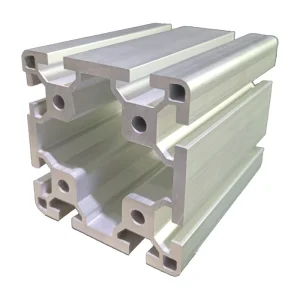
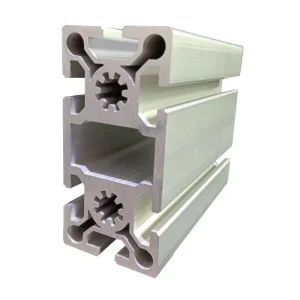
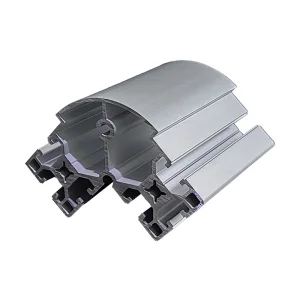
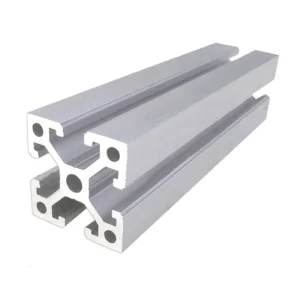
Our high-precision profiles are produced to meet national high-precision standard requirements. The resulting extrusions exhibit an exquisite surface finish, strong corrosion and oxidation resistance, and easy accessory integration. The profiles feature anti-loosening and shock resistance, high joint load limits, and reliable structural stability. We engineer, manufacture, and deliver a wide range of sub-assemblies, including structural frames, modular workbenches, mechanical guards, industrial fencing, PV solar supports, conveyor systems, storage racks, and cleanroom enclosures.
Corrosion protection requirements vary by industry. Off-the-shelf profiles often fail under challenging conditions. Chengdu E&I Aluminum designs specialized solutions tailored to distinct localized scenarios:
Chassis and battery enclosures face road salt, vibration, and moisture. Our specialized anodizing and organic sealing layers prevent galvanic corrosion between steel components and aluminium structures, ensuring long-term vehicle safety.
Cleanroom environments require materials with low outgassing and no particulate shedding. Our high-purity anodizing ensures that automated robotic enclosures, T-slot frames, and linear actuator mounts remain stable and particulate-free.
Solar fields in coastal and high-humidity areas require structural integrity under continuous UV and salt spray exposure. E&I profiles feature custom anodized oxide films (up to 25 microns) to withstand harsh atmospheric conditions.
We help engineering designers transition from isolated component sourcing to integrated macro-systems. We optimize profiles using finite element analysis (FEA) to balance weight reduction with structural load-bearing capacity. Additionally, we integrate corrosion prevention directly into the profile geometry—incorporating features like drainage channels and bevels to prevent water pooling and crevice corrosion.
Our focus remains on high-precision engineering and customer satisfaction, aiming to lead the light alloy industry.
Strive to become one of the top three companies in China's aluminium alloy industry in terms of product competitiveness, innovation ability, and technical strength. We provide superior value products to ensure shareholders, employees, customers, partners, and society achieve mutual growth and benefit.
The company regards employees as our greatest wealth. We support their professional goals, provide clean and safe working spaces, offer competitive salaries, and grow together as a cohesive team.
We focus on delivering high-performance products and outstanding service, creating tangible value and operational security for our customers.
Continuous R&D investments sustain our technology leadership. We coordinate management and process innovation to build long-term, systemic competitiveness for our partners.
We cooperate with customers, employees, shareholders, and partners to create shared value. We sincerely hope to become your strategic partner and create long-term value for your business operations.
Procurement specialists and structural engineers face volatile raw material costs, changing environmental regulations, and logistics challenges. When evaluating global manufacturing sources, procurement teams look beyond unit prices to assess the Total Cost of Ownership (TCO). This metric includes quality verification, defect rates, transit degradation risk, and supply chain reliability.
E&I meets these requirements through detailed documentation and testing compliance:
Global industrial markets are moving away from hexavalent chromium (Cr VI) chemistry. Chengdu E&I implements clean chrome-free passivation and trivalent chrome alternatives, complying with strict RoHS, REACH, and environmental protection guidelines.
We offer full traceability from alloy ingot chemistry to extrusion parameters and final coating thickness testing. This documentation supports international engineering standard verifications.
Answers to key questions from design engineers, procurement specialists, and quality control professionals.
Type II anodizing (commercial/decorative) relies on room-temperature sulfuric acid baths, yielding oxide films of 8 to 25 microns. It provides excellent corrosion resistance and accepts coloring dyes readily. Type III Hardcoat anodizing occurs at near-freezing temperatures (0-5°C) with higher electrical currents, producing dense films thicker than 50 microns. Type III is chosen for severe wear, abrasion, and aggressive industrial corrosion environments.
We achieve this by optimizing the raw material alloy chemistry (minimizing copper contamination, which catalyzes pitting), monitoring electrochemical variables during oxide film growth, and applying secondary organic sealing agents. These agents fill the porous oxide microstructure, blocking pathways for water and chloride ions.
Yes, galvanic corrosion can occur because stainless steel and aluminium have different electrode potentials. Anodized coatings provide insulation that reduces this risk, but scratches or thread friction can expose raw aluminium. To prevent galvanic reactions, we recommend using polymer isolating washers or thread lubricants during assembly.
Anodizing creates a highly porous, honeycomb-like oxide structure. Without proper sealing, these pores absorb pollutants and moisture, causing chemical degradation. Sealing hydration treatments convert aluminium oxide into boehmite, which expands to seal the pores. This process is essential for preserving the corrosion resistance of T-slot extrusions.