
Explore our top-performing industrial structural components, featuring enhanced mechanical capacities, corrosion-resistant surface coatings, and precise slot systems.
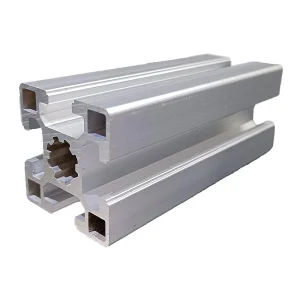
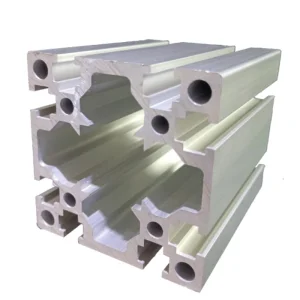
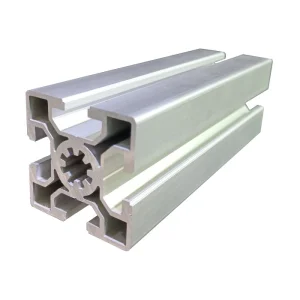
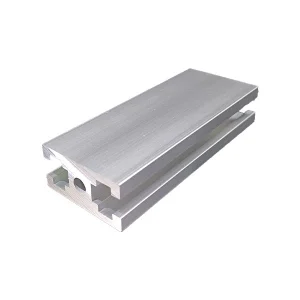
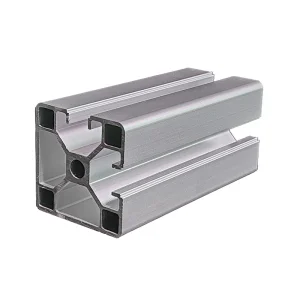
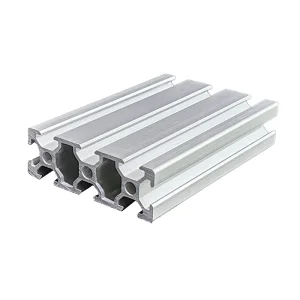
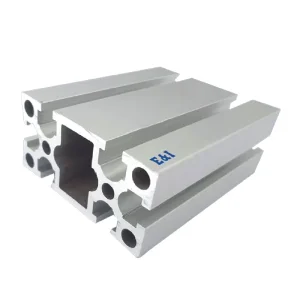
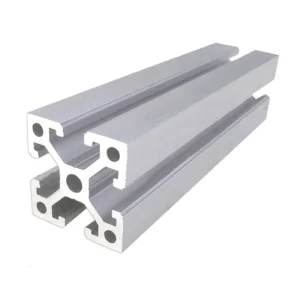
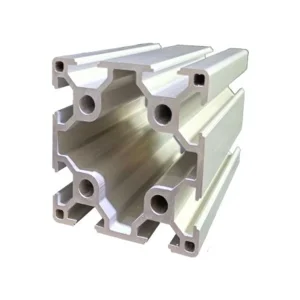
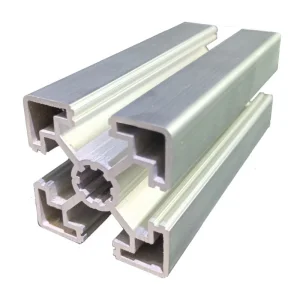
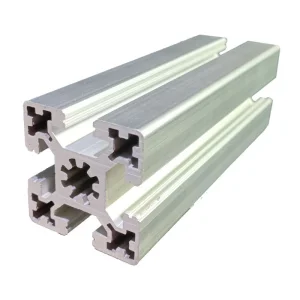
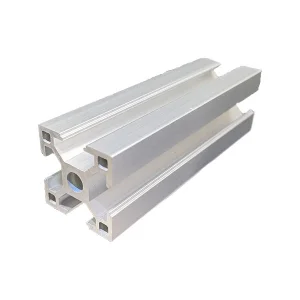
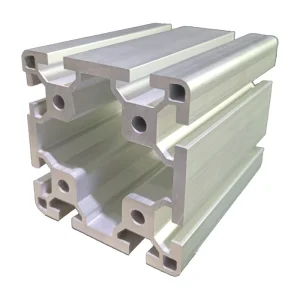
The 15 Series (1.5" x 1.5" base unit footprint) is the standard in fractional modular hardware. It offers high torsional rigidity and load-bearing performance, bridging the gap between lightweight frameworks and structural steel. Specifiers rely on it for heavy-duty frameworks, linear motion guides, robotic cell structures, and automated transport modules.
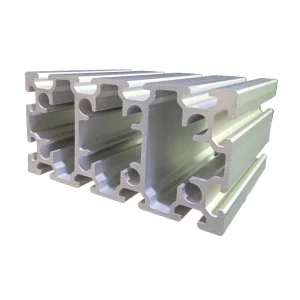
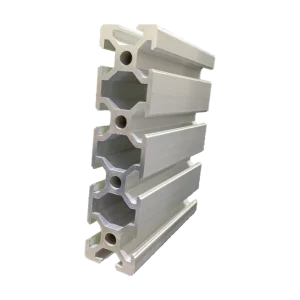
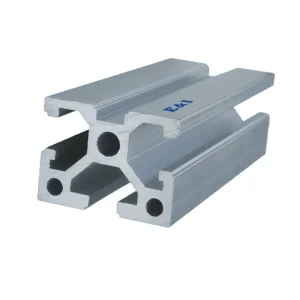
Extruded from high-grade 6063-T5 and 6061-T6 aluminum alloys, these profiles feature thick outer walls and optimized internal ribbing. The 8mm slot width (also compatible with imperial 5/16-18 mounting hardware) allows for secure connections that resist vibration, dynamic deflection, and structural joint slippage.
How procurement managers optimize total cost of ownership (TCO) when sourcing 15 Series T-Slot configurations.
Modern automated assembly systems require precise alignment. Profiles must meet or exceed ASTM B221 and EN 755-9 specifications for straightness, twist, and flatness. Even minor dimensional deviances can disrupt high-speed linear guide setups.
For cleanrooms, food processing, or outdoor solar racking, raw extrusion is insufficient. Specialized Type II or Type III anodization (min 15µm thickness) is critical to prevent scratching, oxidation, and galvanic corrosion at joinery points.
Heavy machinery frameworks experience constant vibration. Standard steel fasteners can loosen in aluminum tracks. The T-slot profile geometry must distribute stress away from the slot lip, preventing crack initiation under cyclic loading.
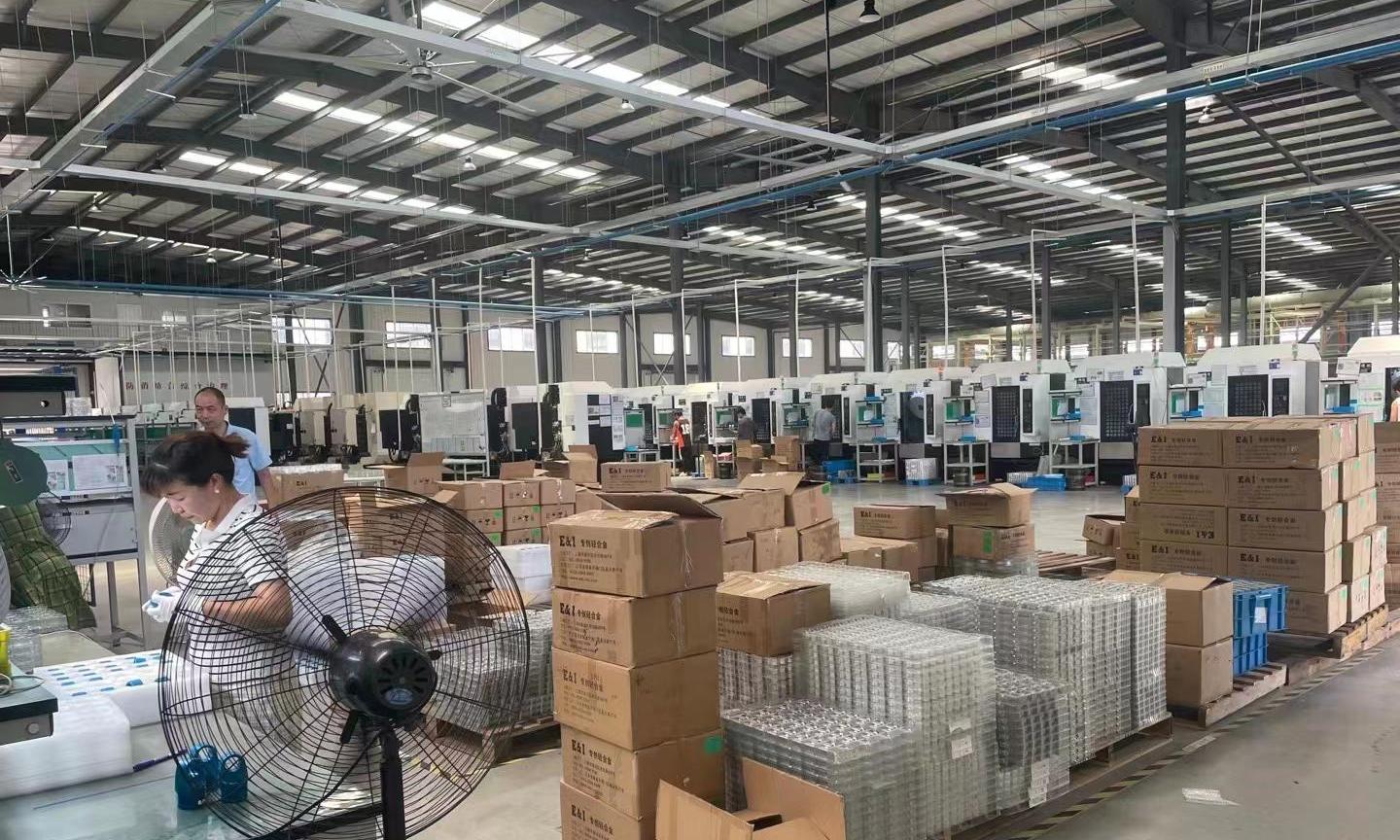
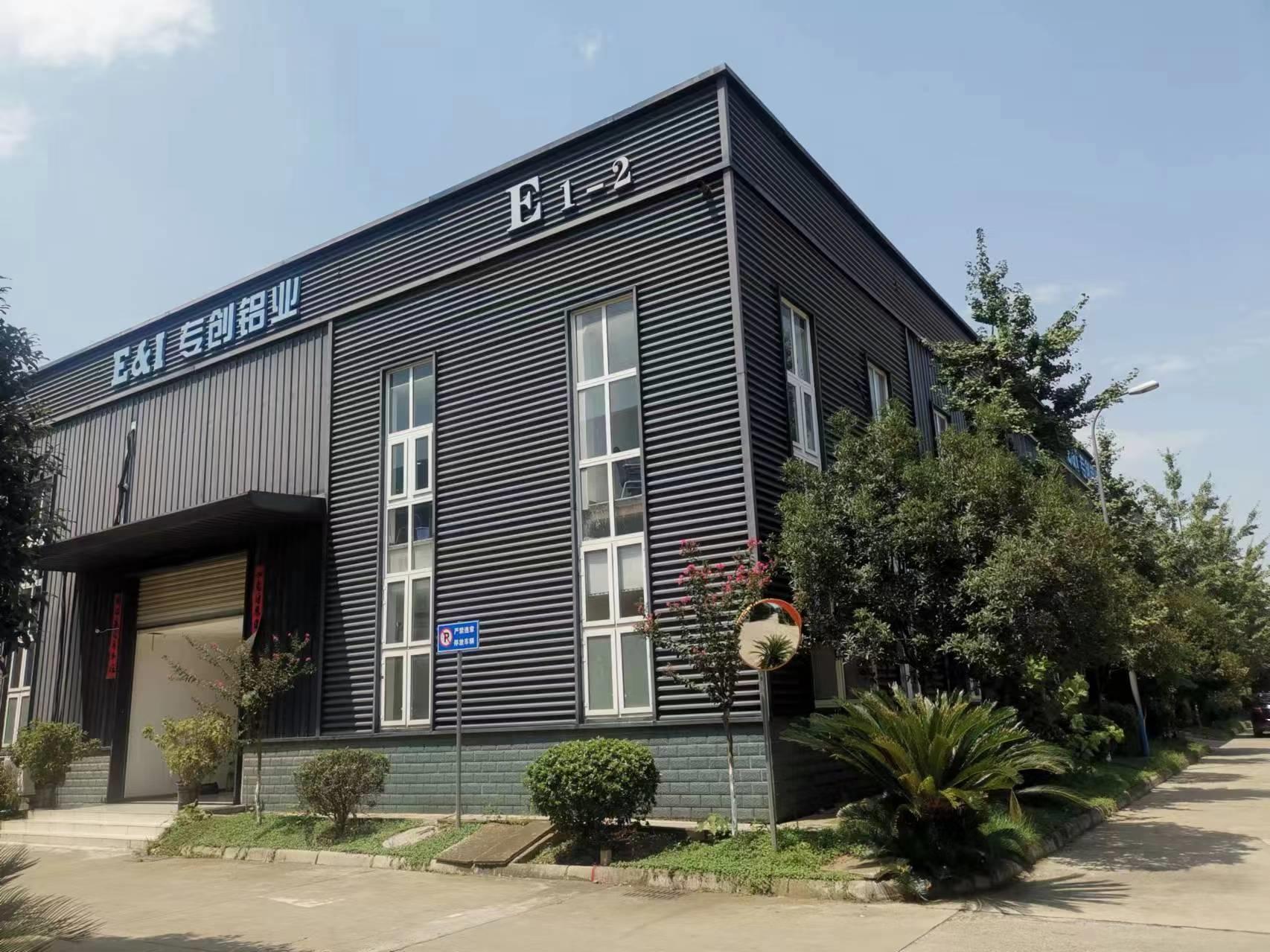
At Chengdu E&I Aluminum, our manufacturing processes utilize automated extrusion lines, precision multi-axis CNC machining, and digitized quality management systems.
By integrating casting, extrusion, surface treatments (including anodizing, powder coating, and electrophoresis), and structural assembly, we reduce production cycles and limit structural inconsistencies between batches.
Our raw materials are sourced from prime A00 grade aluminum ingots, allowing us to maintain stable yield and tensile strength profiles. This control over chemical and mechanical properties ensures reliable load-bearing performance for heavy industrial frames.
From standard material handling to high-precision aerospace testing rigs, our structural extrusions form the foundation of modern industrial design.
Provides rigid, vibration-resistant mounting structures for robotic arms, pneumatic controls, and safety light curtains. Flat surfaces and simple fastener configurations make on-site adjustments straightforward.
Forms the load-bearing supports, gravity rollers, and overhead belt modules for automated warehouse distribution systems. The T-slot channel design allows for adjustable layout modifications.
Utilizes clear-anodized profiles to prevent particle shedding. Smooth, closed-face variations limit contaminant buildup, making them suitable for pharmaceutical production and semiconductor handling.
A trusted provider of precision aluminum extrusions, advanced casting solutions, and complete industrial framing systems.
Guided by our philosophy of "people-oriented, quality value, technological innovation, and win-win cooperation," we focus on manufacturing high-precision, technical aluminum alloy products.
In collaboration with the National Institute of Nonferrous Metals, our technology team supports light-alloy development, offering customer solutions that span custom extrusions, castings, and forgings.
Our advanced production and testing lines ensure consistent product quality, helping us build strategic partnerships with major automotive manufacturers, aerospace suppliers, and tier-one automation houses globally.
"To rank among the top tier of China's aluminum alloy industry for product competitiveness and technology, providing customers with reliable, high-value components while fostering shared growth for our shareholders, employees, and global partners."
We invest in our staff, providing development opportunities and competitive compensation to foster personal and professional growth.
We deliver reliable products and customer service, focused on creating long-term commercial value for our clients' investments.
Continuous R&D spending allows us to optimize extrusion tooling, improve mechanical performance, and offer functional product designs.
We work closely with customers, employees, and logistics partners to build sustainable supply chains and achieve mutual success.
High-strength structures, precision-machined brackets, and custom configurations designed for dynamic mechanical stress loads.
Common questions regarding alloy specifications, surface coatings, engineering calculations, and custom factory tolerances.
6063-T5 aluminum alloy contains lower silicon and magnesium content, which improves surface quality and anodizing clarity. This alloy has a tensile strength of approximately 186 MPa and a yield strength of 145 MPa. It is commonly used for light-to-medium structural frames, display units, and cleanrooms.
6061-T6 aluminum alloy is silicon and magnesium enriched, yielding higher tensile strength (approx 310 MPa) and yield strength (approx 276 MPa). It is preferred for load-bearing heavy-duty machinery brackets, crane tracks, and dynamic automotive fixtures.
Elastic deflection ($\delta$) for a simply supported beam under a concentrated load ($F$) is calculated using the formula:
δ = (F * L³) / (48 * E * I)
Where:
Our engineering department provides these calculations to ensure chosen profiles operate within safe elastic limits (typically target L/360 or L/500).
Our standard extrusions conform to AAMA 611 (Class I and Class II specifications) and EN ISO 7599. Our standard industrial profiles feature a clear anodized oxide film thickness between 10µm and 15µm. For marine environments, chemical process lines, or outdoor applications, we can supply specialized architectural-grade anodizing (Class I, 25µm+ thickness) to resist pitting and chemical corrosion.
Using precision CNC cut-off saws, our factory maintains a linear tolerance of ±0.2mm for standard profile lengths up to 3 meters, and ±0.5mm for lengths up to 6 meters. Mitre cuts maintain angular tolerances within ±0.5°, ensuring tight joints that resist shear stress under dynamic loading.
Yes, but direct face-to-face mating requires consideration. The 15 Series is based on a 1.5-inch grid, while the 40 Series is based on a 40mm grid. Since 1.5 inches equals 38.1mm, centerlines will differ by 1.9mm per slot interval.
To bridge these systems, we manufacture transition brackets, drop-in slot nuts, and custom adapter plates. This enables integration of legacy imperial frames with metric handling systems.