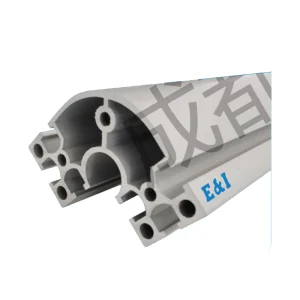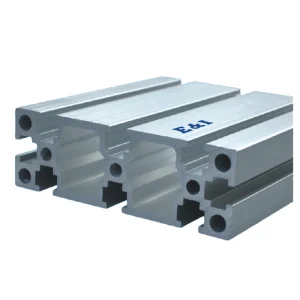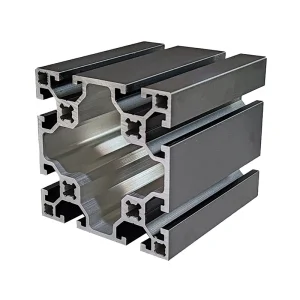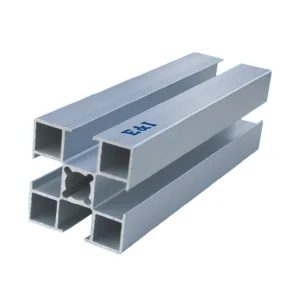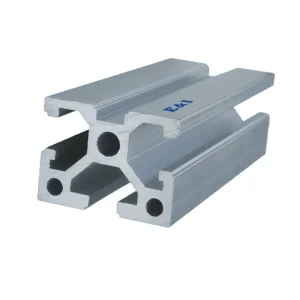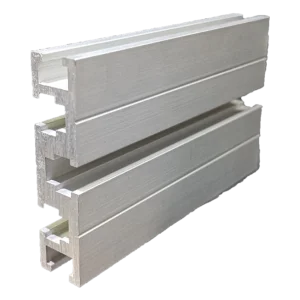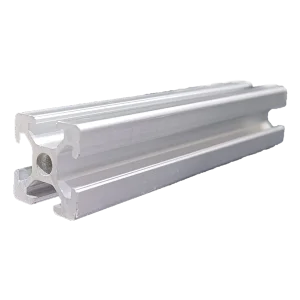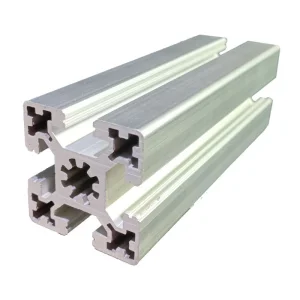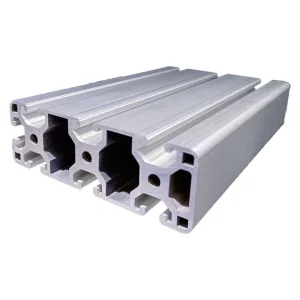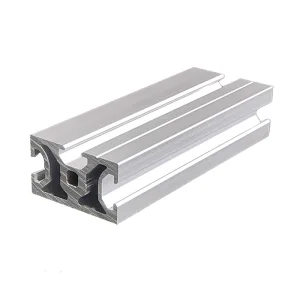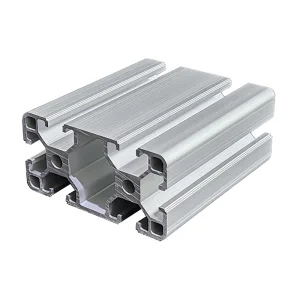
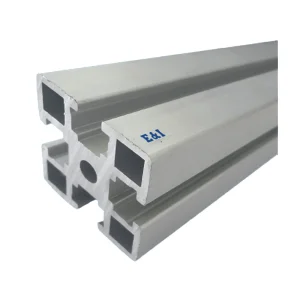
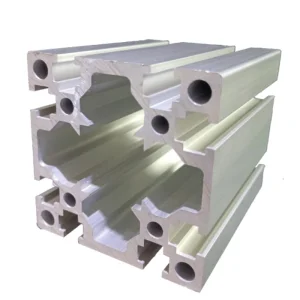
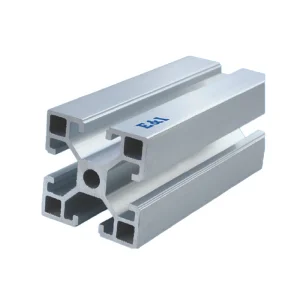
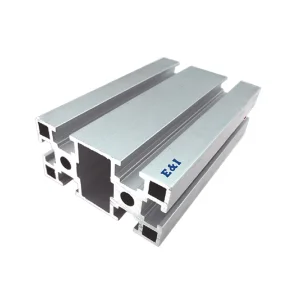
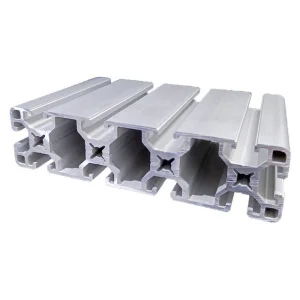
In mechanical and structural engineering, the acronym "Wt of Aluminium" serves two critical semantic functions: it denotes the theoretical linear weight (measured in kilograms per meter, kg/m) of extruded profiles, and the critical wall thickness (Wt) parameter. These variables dictate the structural limits, bending moments, and overall rigidity of aluminum frames in complex machinery setups.
Optimizing the linear weight of aluminum profiles ensures a balanced design that minimizes material cost while meeting safety factors. The weight of an aluminum profile is directly determined by its cross-sectional area and the specific density of the alloy (typically 2.7 g/cm³ or 2700 kg/m³ for standard 6000-series alloys). By utilizing precision die designs, manufacturers can relocate aluminum mass to regions of highest stress, generating high structural stability with reduced overall profile weight.
| Profile Designation | Cross Sectional Area (mm²) | Theoretical Weight (kg/m) | Moment of Inertia Ix (cm⁴) | Moment of Inertia Iy (cm⁴) |
|---|---|---|---|---|
| ENI-6-2020 (Lightweight) | 162.4 | 0.44 | 0.72 | 0.72 |
| ENI-8-4040O (Medium Frame) | 583.2 | 1.58 | 9.45 | 9.45 |
| E&I-8-8080G (Heavy Duty) | 1894.6 | 5.12 | 118.42 | 118.42 |
| ENI-8-40160B (Multi-Slot Base) | 3248.8 | 8.78 | 782.10 | 54.20 |
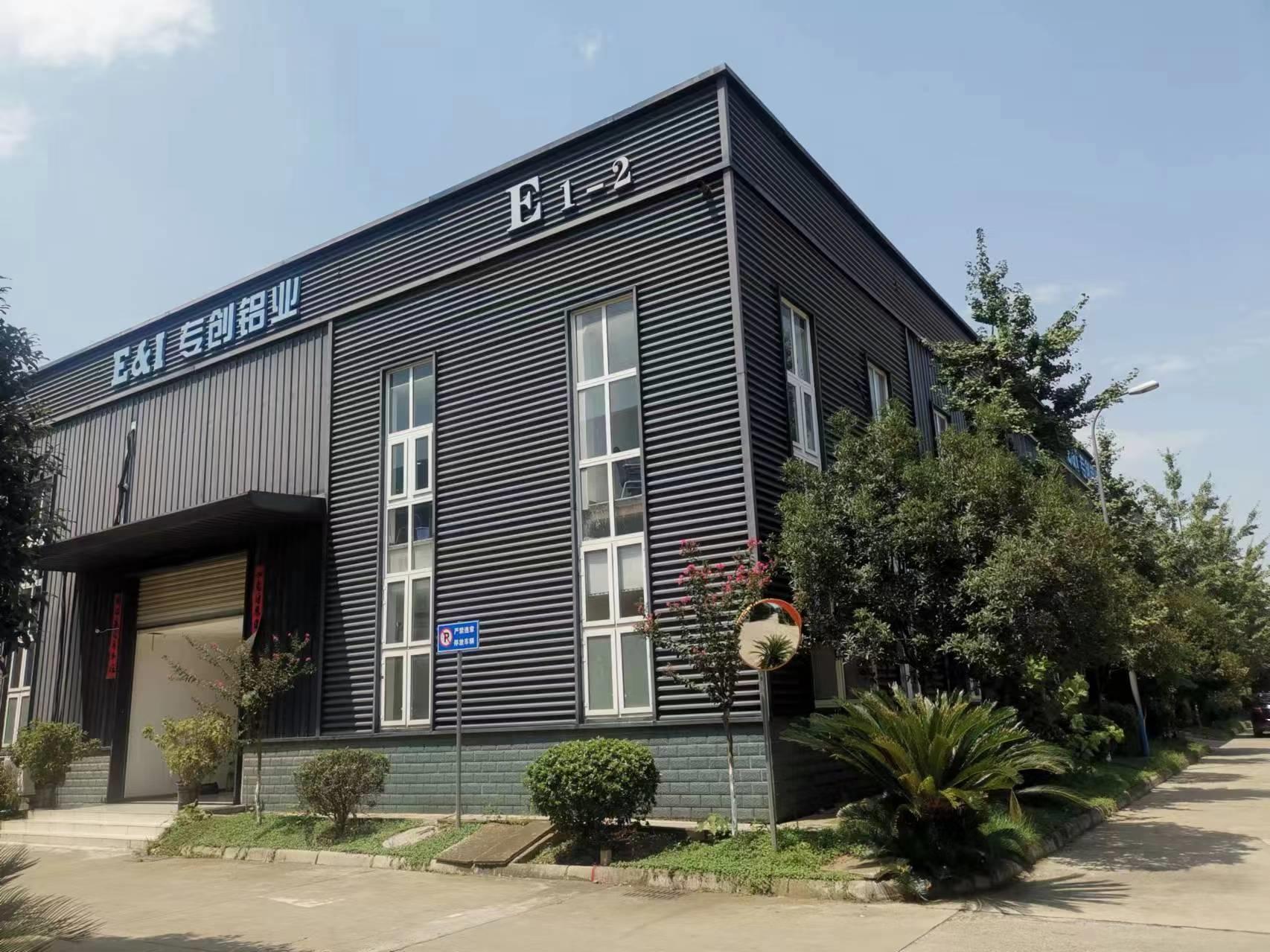
Chengdu E&I Aluminum Industry Co., Ltd. operates with a fundamental business philosophy: "people-oriented, quality value, technological innovation, and win-win cooperation". As a key player in the research, development, and high-precision manufacturing of aluminum alloy products, the company has positioned itself as an industry leader in complex engineering shapes and strict mechanical requirements.
The company leverages direct technological collaboration with the National Institute of Nonferrous Metals, drawing upon the expertise of a professional alloy R&D team. This research backbone enables Chengdu E&I Aluminum to deliver comprehensive, single-source solutions that span high-performance profiles, high-strength castings, and customized forgings. By supplying Fortune 500 companies in the aerospace and automotive sectors, the company proves its reliable technical prowess and commitment to strict quality control.
We treat our employees as our most valuable asset, creating developmental space and providing competitive compensation plans to align personal development with corporate success.
We focus on delivering high-grade aluminum extrusions that maximize service life, mechanical reliability, and overall return on investment for high-stress projects.
Ongoing investment in die engineering, microstructure analysis, and custom alloy blending allows us to stay ahead of international design standards and structural trends.
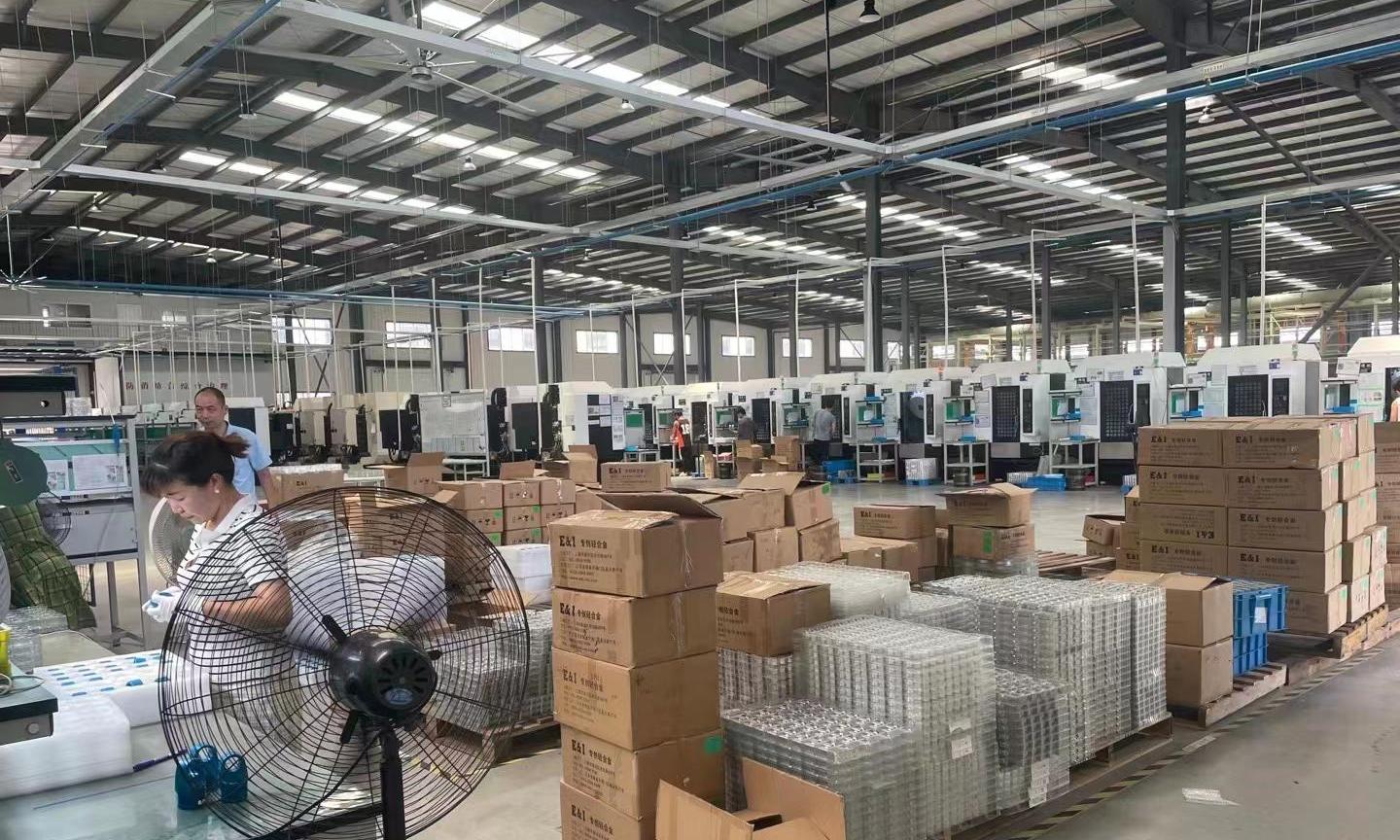
Chengdu E&I Aluminum operates a modern production facility equipped with high-capacity extrusion lines, automatic powder coating systems, and precision anodizing tanks. Integrating computerized systems within our extrusion plants ensures that crucial parameters—such as billet preheating temperatures, extrusion speed, and cooling rates—are monitored in real time. This control stabilizes the mechanical properties of the finished metal.
By coordinating the entire process from tooling design and die fabrication to automated surface treatments (such as satin anodizing or hard coat finishes), E&I provides a streamlined, single-source procurement option. Our high-precision production aligns with strict quality tolerances, ensuring high corrosion resistance, dimensional stability, and dependable structural strength for multi-component structural framing assemblies.
As the demand for lightweight and sustainable structural materials grows, the technology roadmap for industrial aluminum extrusions focuses on high-strength alloys and eco-friendly manufacturing. Future advancements will center on micro-alloying and AI-assisted die design to further optimize wall thickness and structural performance.
Our R&D department, in partnership with top scientific institutes, is focusing on these key pillars:
Developing custom chemical formulations (e.g., enhanced magnesium-silicon configurations) to increase yield strength without compromising corrosion resistance or machinability.
Using finite element analysis (FEA) to design profiles with varying wall thicknesses, adding structural reinforcement where stress is concentrated and reducing material weight in low-stress zones.
Utilizing clean-burning gas furnaces, closed-loop water treatment, and post-consumer recycled aluminum billets to lower the carbon footprint of our extruded products.
Because of their modularity and weight-to-strength ratio, extruded aluminum sections are a preferred choice in modern factory setups, automated material handling, and structural framing applications.
Profiles like the heavy-duty ENI-6-1560 and ENI-8-4040O provide rigid support structures for high-speed automated assembly lines, material handling equipment, and heavy safety guarding.
T-slot profiles allow for quick design changes and secure, adjustable mounting configurations in solar racking setups, ensuring excellent wind-load resistance and outdoor durability.
The clean lines and smooth, anodized surfaces of E&I profiles are well-suited for cleanroom enclosures, material transport carts, and service stations in advanced battery assembly plants.
Sourcing aluminum profiles globally requires strict adherence to international quality standards. Chengdu E&I ensures that every production batch undergoes detailed laboratory inspection before shipment, guaranteeing compliance with key mechanical and dimensional tolerances:
Our quality control laboratory is equipped with spark spectrometers for composition analysis, tensile testing machines to verify yield and ultimate strength, and optical measurement devices to ensure T-slot geometry remains within ±0.1mm tolerances. This comprehensive inspection process ensures that every profile meets the physical requirements of high-stress mechanical applications.
For international supply chain managers and design engineers, sourcing aluminum profiles requires evaluating factors beyond the base price. Key considerations include weight-dependent shipping fees, shipping length restrictions, and the risk of surface damage during transport. Chengdu E&I addresses these logistics needs through customized packaging, structural bundling, and clear shipping documentation.
By offering optimized nesting arrangements for ocean container shipments, E&I helps minimize transit costs. Additionally, our pre-shipment quality checks ensure that anodized finishes arrive free of surface blemishes, allowing for immediate assembly upon arrival at your facility.
The theoretical weight is calculated using the formula: Weight (kg/m) = Cross-Sectional Area (mm²) × Density (g/cm³) × 10^-3. For standard 6000-series structural aluminum alloys, the average density is 2.7g/cm³. This calculation allows design engineers to estimate total shipping weights and verify the load capacities of structural frameworks.
An 8mm slot width (common in 4040, 8080, and heavier sections) accommodates larger M8 fasteners and handles higher mechanical torque, making it suitable for heavy-duty structural applications. A 6mm slot width is typically used for smaller, lightweight frames (such as 2020 or 3030 sections) where space is limited and load requirements are lower.
We provide a range of surface treatments, including clear or satin anodizing, hard coat anodizing, polyester powder coating, and electrophoresis. Clear anodizing is the industrial standard, offering good corrosion resistance and a clean, metallic appearance suitable for cleanroom environments.
Through our technical partnership with the National Institute of Nonferrous Metals, we verify chemical composition using optical emission spectrometry. Every production run is tested for mechanical properties, including tensile strength, yield strength, and hardness, with full traceability back to the original aluminum ingot.
Yes, we offer complete in-house fabrication services, including high-precision cutting, drilling, tapping, milling, and deburring. This allows us to supply complete, ready-to-assemble structural frames and components direct to your facility.