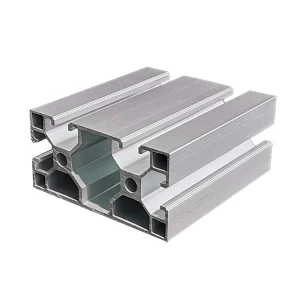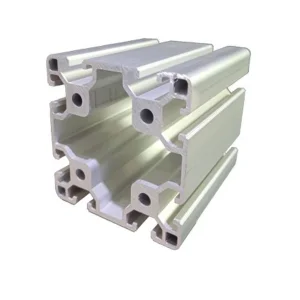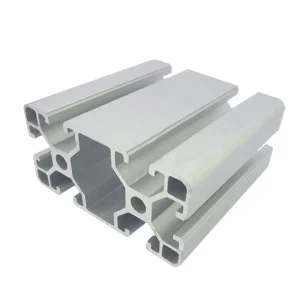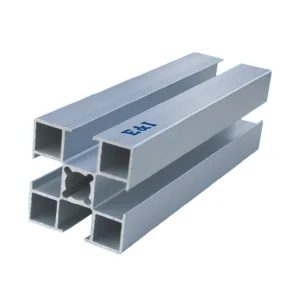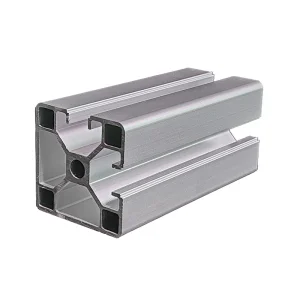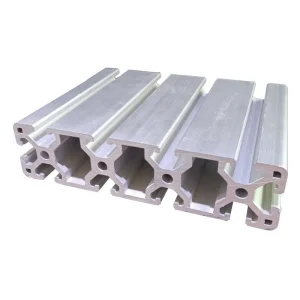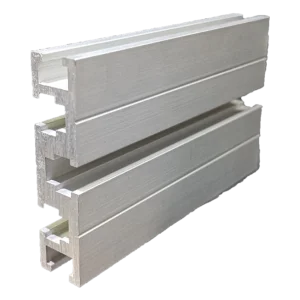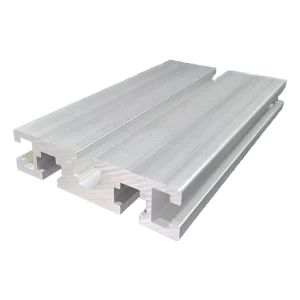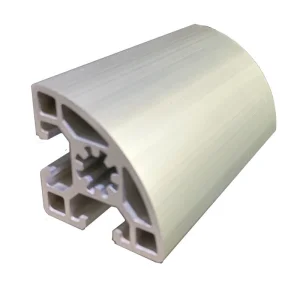
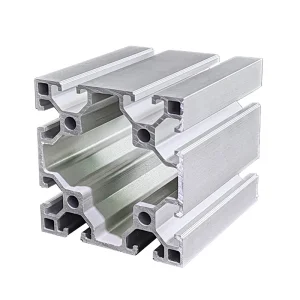
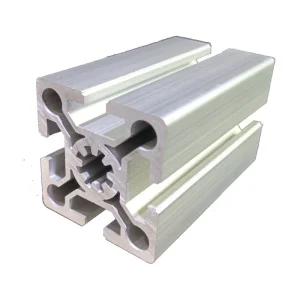
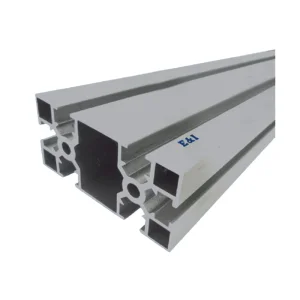
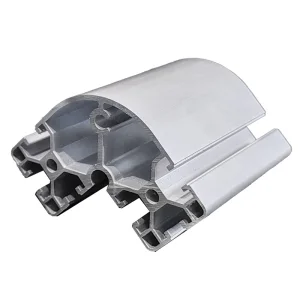
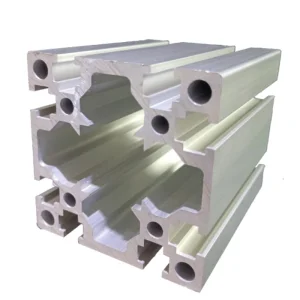
Standard and heavy-duty structural profiles engineered with optimized cross-sections and modular slots for dynamic structural framing.
China Product Competitiveness
Global Strategic Clients
National R&D Support
Precision Inspected Quality
The transition toward high-efficiency industrial infrastructure has positioned Aluminium Structural Sections as the absolute standard in modern engineering. Historically, structural fabrication relied heavily on carbon steel structures, which demanded extensive machining, welding, and post-treatment anti-corrosive coating. Today, global supply chains are pivoting toward lightweight, high-performance alloys designed to fulfill strict environmental and structural demands. The worldwide market for extruded aluminium components is expanding rapidly, fueled by the explosive growth of renewable energy tracking structures, electric vehicle (EV) chassis construction, and automated logistics systems.
Industrial sectors are now valuing structural sections that incorporate modularity—specifically, T-Slot and V-Slot systems. These structures eliminate the thermal stresses associated with welding, allowing for rapid engineering iterations, zero-maintenance joints, and streamlined assembly. Countries scaling up their industrial manufacturing capacities depend heavily on highly specialized extruder operations that can supply reliable quality and custom tolerances consistently. Chinese factories have evolved from low-value suppliers to frontrunners in advanced precision extrusion metallurgy, defining performance paradigms across global manufacturing lines.
Chengdu E&I Aluminum Industry Co., Ltd., operates on the core business values of "people-oriented, quality value, technological innovation, and win-win cooperation." Our organization is intensely focused on the research, development, and manufacturing of aluminium alloy products designed to meet high difficulty, high precision, and stringent mechanical requirements.
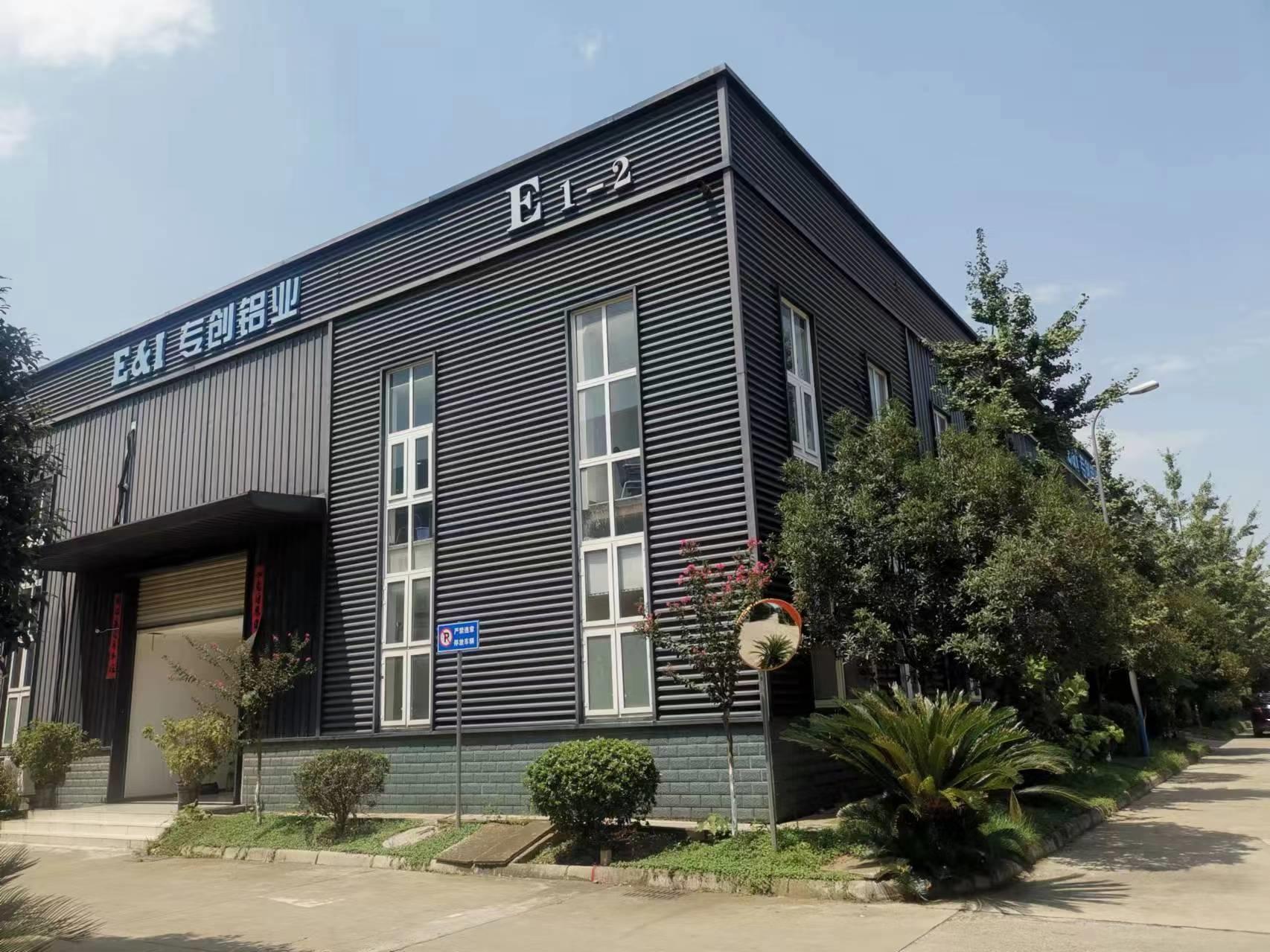
At Chengdu E&I Aluminum Industry Co., Ltd., we rely on the technical strength of The National Institute of Nonferrous Metals. This relationship equips us with a leading-edge light alloy research and development team, placing us at the vanguard of metallurgical innovation in China. By engineering overall solutions across profiles, castings, and forgings, we cater to demanding global sectors. Our structural components are utilized by Fortune Global 500 enterprises, including world-leading automotive manufacturers and aerospace airlines, establishing our reputation as a trusted structural engineering partner.
Modern structural systems require more than basic dimensional accuracy. Extrusions are designed with precise structural geometries to optimize the area moment of inertia. By concentrating material mass at points of high bending moment, aluminium sections match the loading profile of structural steel while reducing weight by up to 50%. Our profiles are manufactured under stringent quality protocols, ensuring that they conform to elite international specifications:
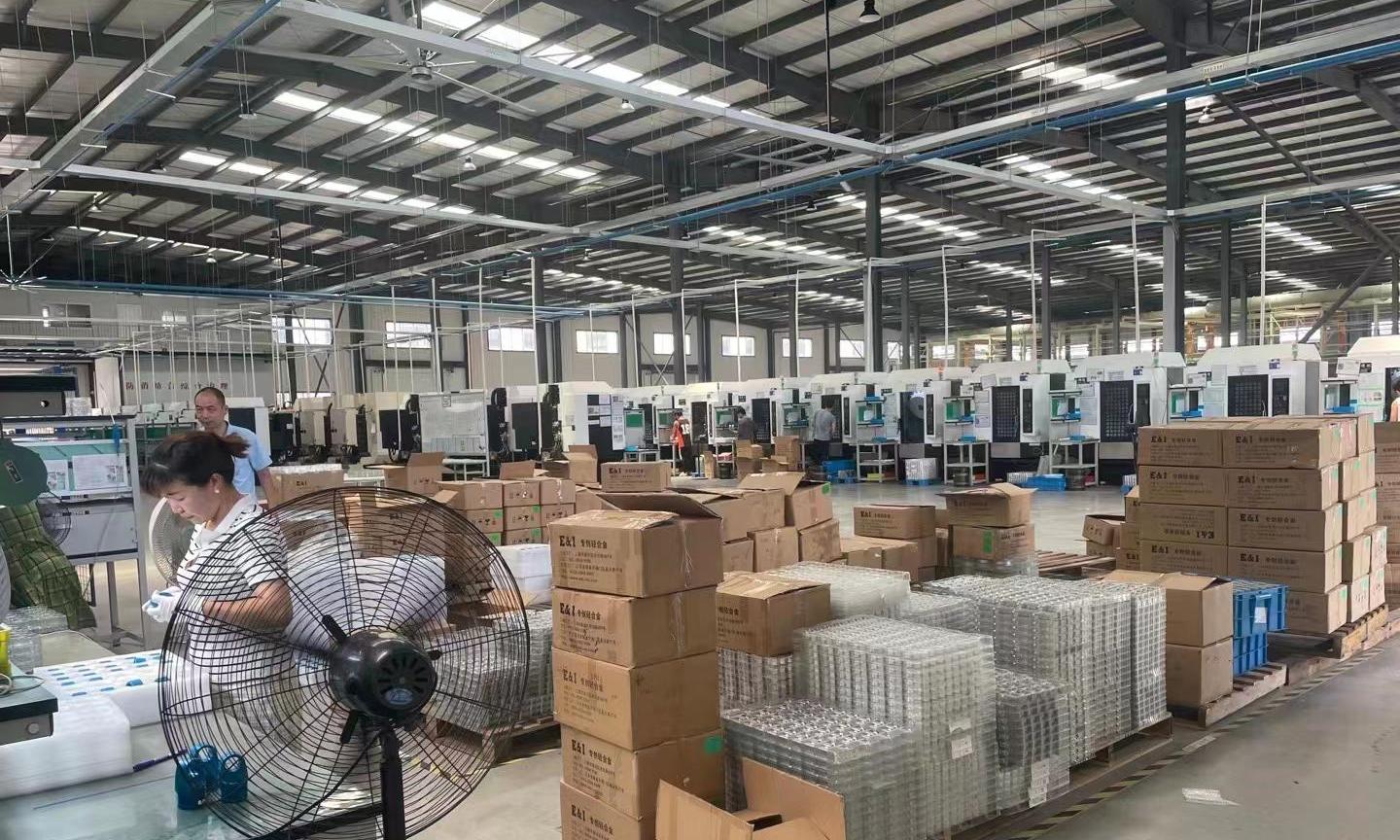
Our comprehensive production infrastructure allows us to build turnkey structures designed to address diverse industrial needs:
Understanding the engineering details that set our structural sections apart in critical industrial use-cases.
Designed under national high-precision requirements, verifying accurate dimension tolerances and excellent mechanical loading properties across all structural frames.
Engineered hardware and slot geometries resist loosening under continuous mechanical vibrations, keeping heavy-duty factory machinery stable.
Providing one-stop services encompassing layout design, structural engineering, precision fabrication, surface treatment, and site-ready installation.
The global aluminium extrusion landscape is evolving rapidly, driven by sustainability targets and digital innovation. At Chengdu E&I Aluminum, we are adjusting our processes to align with these major industry shifts:
Reducing carbon footprints is a key priority for modern supply chains. Our R&D works toward integrating green primary metal smelted using clean hydropower. We are also increasing the proportion of recycled post-consumer scrap in our production lines. Using advanced refining and filtration methods, we maintain the mechanical performance of recycled alloys, offering low-carbon options that support green initiatives without sacrificing structural strength.
Industrial components are becoming more complex. We utilize computer-aided design (CAD) alongside Finite Element Analysis (FEA) to simulate mechanical performance before tooling begins. Our state-of-the-art die-manufacturing center produces custom profiles with intricate inner chambers. This allows us to combine multiple components into a single extrusion, reducing weight and eliminating post-extrusion assembly steps.
Our plants implement digital quality tracking across all production stages. Key processing metrics—such as extrusion speeds, heat-treatment temperatures, and anodizing bath levels—are recorded automatically. Every batch is assigned a unique digital ID, giving clients full traceability from raw alloy composition down to final mechanical inspection.
Expert answers addressing the selection, metallurgy, and installation of structural aluminium sections.
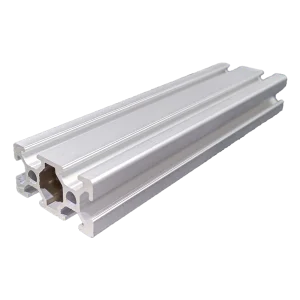
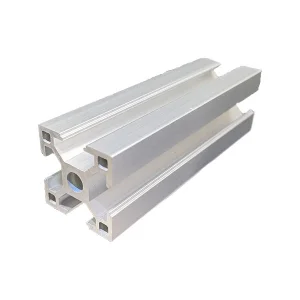
Specialized modular sections, sealed edge profiles, and heavy-duty designs for machinery framing and automated production environments.