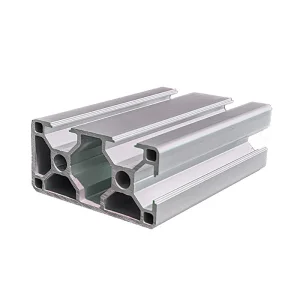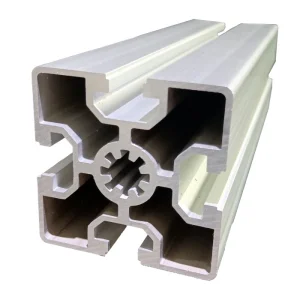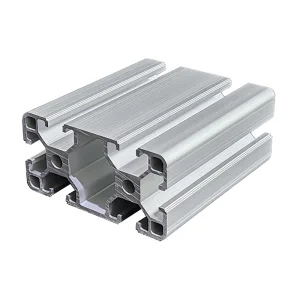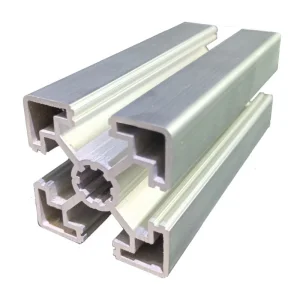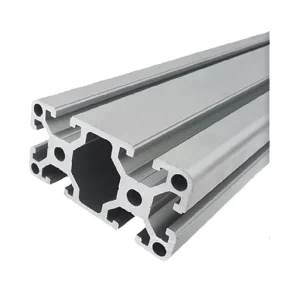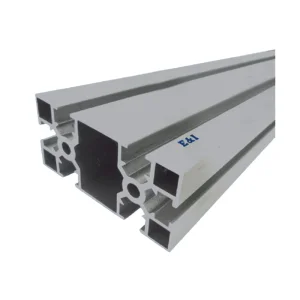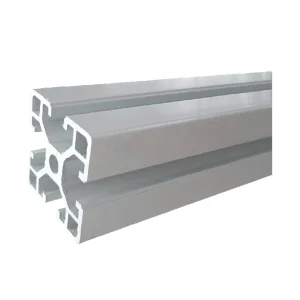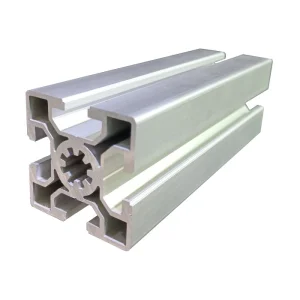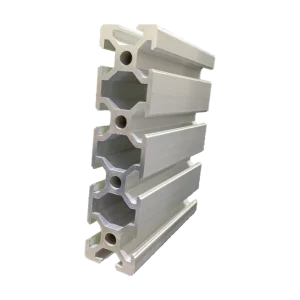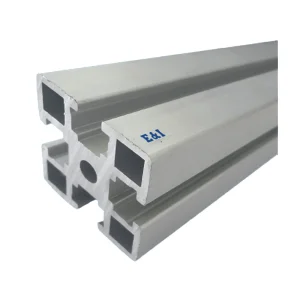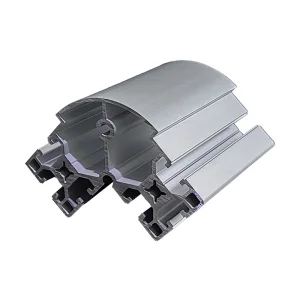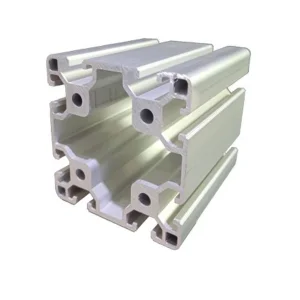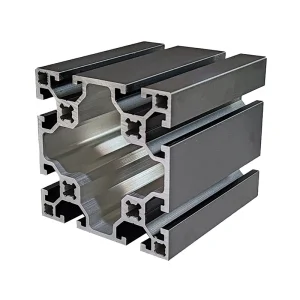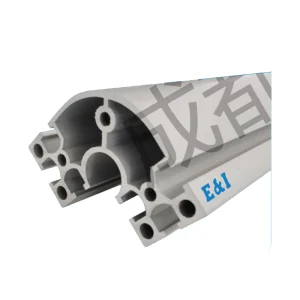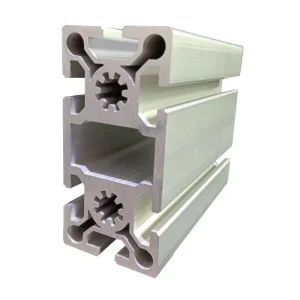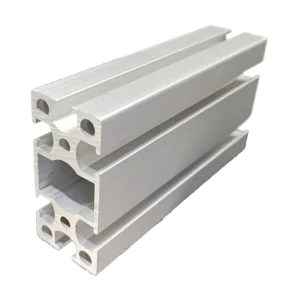
Explore our premium grade selection of extruded aluminium profiles, engineered for modular frame assembly, structural stability, and heavy-duty load capacities.
A comprehensive overview of mechanical properties, dimensional variations, and structural capabilities of the 20 series profiles.
In modular mechanical structures and light-duty automation setups, the 20 series aluminium extrusion system stands out as a fundamental building block. Characterized by a base sectional measurement of 20mm x 20mm (or multiples thereof, such as 20x40, 20x60, and 20x80), this series is predominantly engineered with a 6mm slot width. It offers an exceptionally high strength-to-weight ratio, making it the preferred choice for frameworks where minimal mass and maximum architectural flexibility are paramount.
Modern industrial operations require high flexibility. The 20 series framework eliminates the need for expensive structural welding, layout surface preparations, and post-machining processes. Using custom engineering fasteners such as T-nuts, spring loaded balls, and angle bracket connectors, design engineers can modify frameworks rapidly with basic hand tools. This structural flexibility is backed by 6063-T5 or 6061-T6 magnesium-silicon aluminum alloys, optimized to withstand bending, torsion, and environmental degradation.
Understanding the exact geometric properties of different profiles allows structural engineers to prevent structural deformation and select the most cost-effective profiles for specific application loads.
| Profile Designation | Dimensions (mm) | Slot Width | Moment of Inertia Ix (cm⁴) | Moment of Inertia Iy (cm⁴) | Weight per Meter (kg/m) |
|---|---|---|---|---|---|
| 2020 Light Duty | 20 x 20 | 6.2 mm | 0.72 | 0.72 | 0.44 |
| 2020 Heavy Duty | 20 x 20 | 6.2 mm | 0.94 | 0.94 | 0.58 |
| 2040 Standard | 20 x 40 | 6.2 mm | 1.45 | 5.12 | 0.89 |
| 2080 Structural | 20 x 80 | 6.2 mm | 2.84 | 38.4 | 1.65 |
Combining academic material research with commercial manufacturing capabilities to supply high-precision structural products globally.
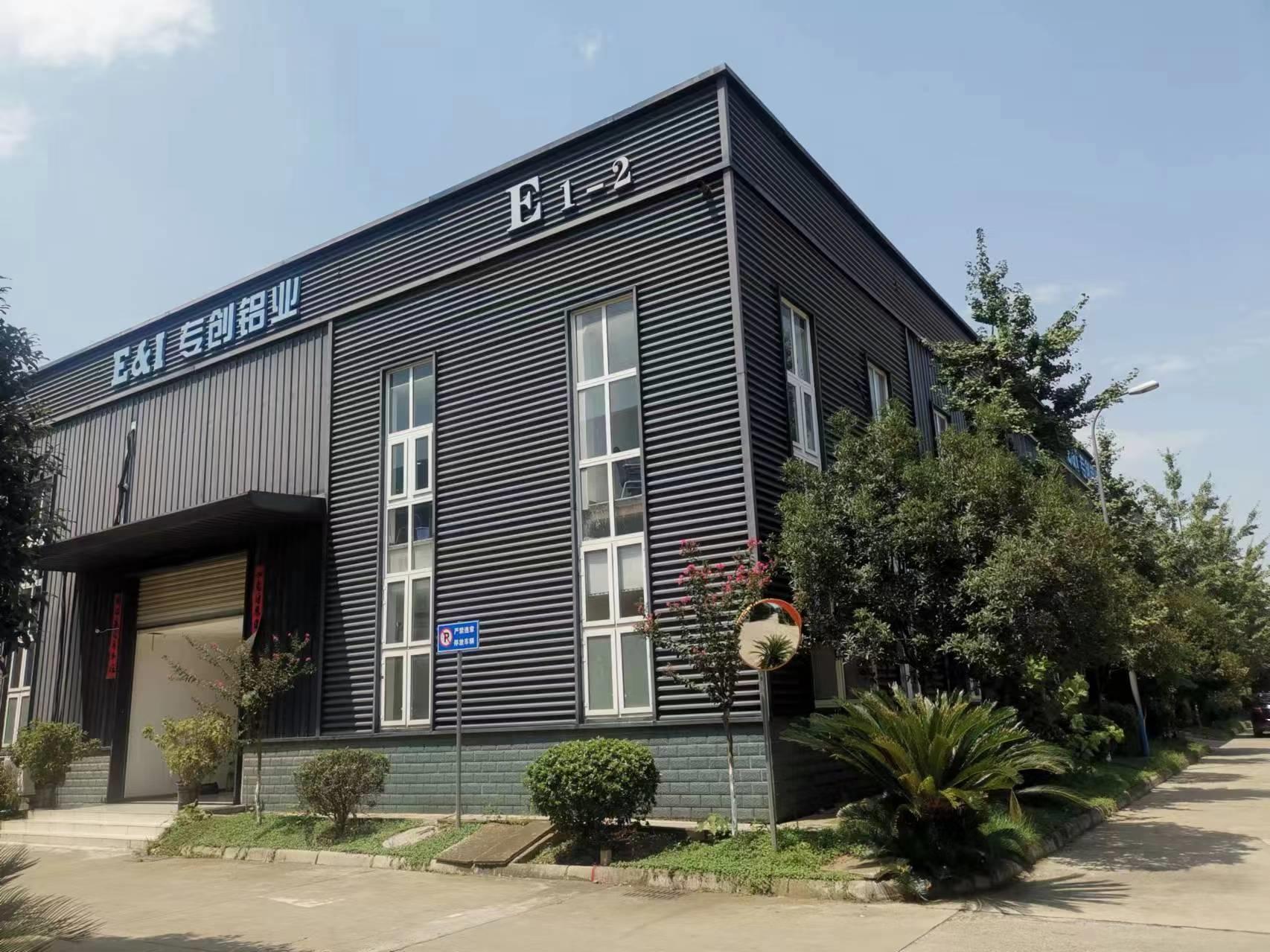
Chengdu E&I Aluminum Industry Co., Ltd., guided by our philosophy of "people-oriented, quality value, technological innovation, and win-win cooperation", focuses on the research, development, and manufacturing of high-difficulty, high-precision, and highly customized aluminum alloy products.
The company collaborates with the National Institute of Nonferrous Metals, leveraging a professional aluminum alloy technology research and development team in China's light alloy industry. This technical foundation allows us to provide customers with complete engineering solutions for aluminum alloy products, including custom extruded profiles, castings, and forgings.
Our advanced production and testing equipment ensures product quality. We deliver reliable commercial value for customers, serving as a trusted strategic partner for aluminum alloy products and services. Our key clients include Fortune Global 500 companies in the automotive and aerospace sectors, who have trusted our products and services for many years.
Backed by the National Institute of Nonferrous Metals to ensure advanced alloy performance, grain refinement, and optimized mechanical strength.
Providing custom materials for automotive and aerospace sectors, adhering to strict industry tolerance and quality control guidelines.
From custom extrusion dies and CNC precision machining to chemical anodizing and final structural assembly, we handle the entire process in-house.
An in-depth look at our production capacity, surface finishing capabilities, and our corporate vision.
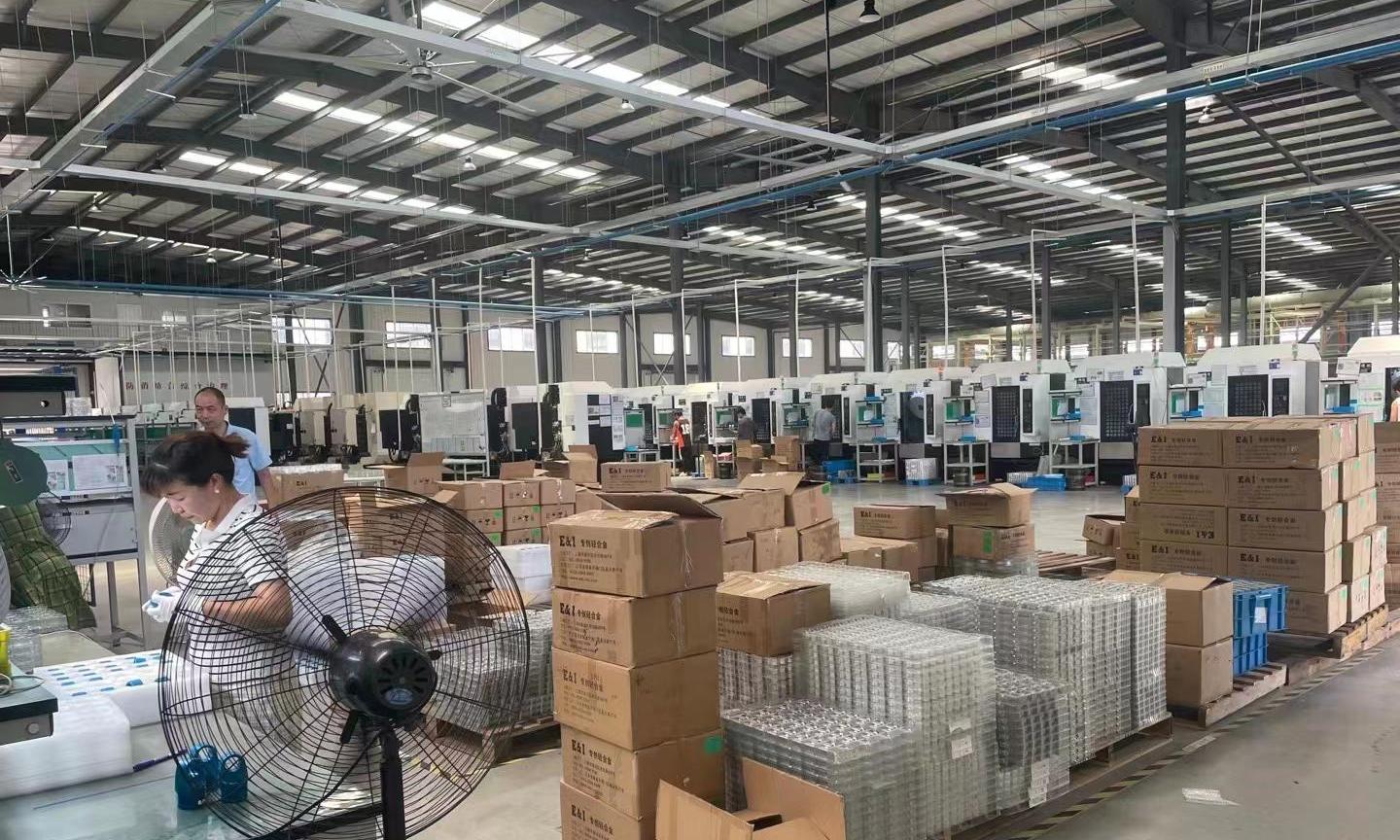
Chengdu E&I Aluminum Industry Co., Ltd. integrates custom design, aluminum profile extrusion, and automatic anodizing and spraying lines. We provide comprehensive one-stop services for structural frameworks, workbenches, mechanical safety fences, solar support structures, assembly lines, storage equipment, automation setups, and cleanrooms.
Our aluminum profiles are manufactured to strict national standards, ensuring an aesthetic surface finish, high corrosion resistance, and robust oxidation resistance. The profiles are designed to work seamlessly with standardized aluminum accessories, offering anti-loosening, shock-resistant, and high-strength connections.
Our long-standing customer relationships demonstrate our commitment to quality. As a reliable, high-efficiency industrial partner, we focus on delivering products that meet strict engineering requirements.
"Strive to become one of the top three companies in China's aluminum alloy industry in terms of product competitiveness, innovation ability and technical strength, provide customers with products and services of superior value, and enable the company's shareholders, employees, customers, partners and society to benefit more from it Big gains and common development."
We value our employees as our greatest asset, support their professional growth, and offer competitive compensation to foster shared success.
We focus on delivering high-performance products and reliable services to generate measurable value for our customers.
We continuously invest in R&D to maintain our competitive edge, integrating product, technical, and management innovations.
We build collaborative partnerships with customers, employees, and shareholders to achieve sustainable, mutual growth.
How regional material abundance, integrated manufacturing hubs, and logistics infrastructure benefit global procurement.
Purchasing 20 series aluminum profiles from a dedicated Chinese factory like Chengdu E&I offers significant advantages in cost, manufacturing capacity, and supply chain integration. China leads global primary aluminum production, providing stable raw material access and buffering against global market volatility.
Our integrated manufacturing hub handles every step of production. Raw aluminum ingots are melted, alloyed with magnesium and silicon, and extruded through custom dies. Surface treatment, CNC machining, and packaging are completed in a single continuous workflow. This structural integration minimizes material transport, reduces turnaround times, and ensures consistent quality control throughout production.
Direct partnerships with primary smelters guarantee high-purity ingots (99.7% Al), which are essential for producing structural extrusions without internal defects.
In-house CAD/CAM tool designers build custom extrusion dies in days rather than weeks, allowing for rapid prototyping of specialized profiles.
Our automated anodizing and powder coating lines deliver consistent finishes across production runs, improving wear resistance and surface durability.
Furthermore, Chengdu’s strategic position within the "Belt and Road" logistics network provides multi-modal shipping options. The China-Europe Railway Express enables overland shipping to Central Europe in 12–15 days, offering a faster alternative to sea freight and a more cost-effective option than air cargo. Combined with direct access to major maritime ports, Chengdu E&I ensures stable logistics solutions for manufacturing facilities worldwide.
Key quality parameters, chemical metrics, and testing procedures required by international procurement managers.
Industrial sourcing managers prioritize dimensional consistency, structural reliability, and material traceability. When sourcing 20 series profiles for automation assembly lines or medical framing, small deviations in slot width can prevent fasteners from seating correctly, compromising structural integrity.
Our quality assurance protocol tracks every extrusion back to its original raw material heat. Each production batch undergoes rigorous mechanical testing, including tensile strength verification, rockwell hardness profiling, and optical emission spectrometry to confirm the chemical composition of the alloy.
| Chemical / Physical Metric | Alloy 6063-T5 Requirement | Alloy 6061-T6 Requirement | Testing Equipment Used |
|---|---|---|---|
| Silicon (Si) Content | 0.2% to 0.6% | 0.4% to 0.8% | Spectrographic Analyzer |
| Magnesium (Mg) Content | 0.45% to 0.9% | 0.8% to 1.2% | Inductively Coupled Plasma (ICP) |
| Tensile Strength (Rm) | ≥ 160 MPa | ≥ 290 MPa | Universal Tensile Tester |
| Yield Strength (Rp0.2) | ≥ 110 MPa | ≥ 240 MPa | Extensometer / Universal Tester |
| Anodizing Film Thickness | ≥ 10 μm (Class AA10) | ≥ 15 μm (Class AA15) | Eddy Current Thickness Gauge |
To prevent damage during international transport, Chengdu E&I uses robust, export-grade packaging. Each profile is wrapped in protective film, bundled with moisture-absorbing desiccants, and secured within steel-reinforced wooden crates. This ensures profiles arrive clean, scratch-free, and ready for assembly.
Aligning manufacturing standards with international certifications and local market regulations.
Operating globally requires strict compliance with regional standards. Industrial systems in Europe must meet CE directives, while projects in North America require alignment with ASTM and OSHA safety standards. Chengdu E&I provides the certification and documentation required to meet these regulatory guidelines.
Our manufacturing facility is ISO 9001:2015 certified, establishing systematic tracking for all production stages. For environmental compliance, our surface treatments—including clear anodizing, black anodizing, and powder coatings—are verified by third-party laboratories to be free of restricted hazardous substances, meeting RoHS and REACH requirements.
Our extrusion processes are calibrated to comply with ASTM B221 (Standard Specification for Aluminum Extruded Bars, Rods, Wire, Profiles, and Tubes) and European Standard EN 755, ensuring standardized mechanical performance across regions.
Every shipment includes Material Test Reports (MTRs), mill certificates, compliance statements, and packing lists. This documentation helps speed up customs clearance and simplifies local regulatory audits.
We also offer localized engineering support. Our engineers can convert CAD drawings between metric and imperial dimensions, advising on tolerances to ensure compatibility with localized equipment, and helping select the right fasteners and accessories for your system.
From high-tech cleanrooms to automated assembly lines, see how our profiles perform in real-world industrial environments.
Anodized 2020 and 2040 profiles are ideal for constructing ISO Class 5 cleanrooms. The smooth, oxidized finish resists dust accumulation and tolerates chemical cleaning agents without degrading.
Using 2040 and 2080 profiles, engineers can build lightweight, high-strength safety cages around high-speed delta and SCARA robots, integrating acrylic panels or wire mesh directly into the profile slots.
Our 20 series profiles are widely used for assembly workbenches in semiconductor manufacturing. The T-slots make it easy to mount tool rails, lighting fixtures, and ESD grounding points.
Key developments shaping the market, including sustainable manufacturing and smart automation systems.
The global aluminum extrusion industry is shifting toward more sustainable and integrated manufacturing processes. Industrial designers are looking for ways to reduce the carbon footprint of their products, leading to growing demand for low-carbon and recycled aluminum options. Chengdu E&I is investing in sustainable manufacturing by optimizing energy use during extrusion and recycling process scrap in-house.
Another key trend is the demand for tighter manufacturing tolerances. As robotic systems become more precise, the structures supporting them must meet closer tolerances. Standard commercial profiles are increasingly replaced by high-precision options that feature minimal twist and bow tolerances. This reduces wear on moving parts and improves the calibration accuracy of automated machinery.
Finally, we are seeing a shift toward complete, pre-machined kit shipments. Instead of ordering bulk profiles to cut and tap on-site, companies prefer to receive pre-cut, tapped, and labeled kits ready for immediate assembly. This modular approach reduces local labor costs, minimizes material waste, and accelerates assembly timelines on the factory floor.
Technical answers to common queries regarding 20 Series aluminum profile applications and specifications.
Explore our wider range of structural profiles, heavy-duty configurations, and specialized corner connections.