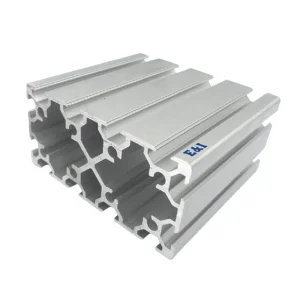
Engineered with High-Tension Anchoring Channels for Precision Industrial Frameworks
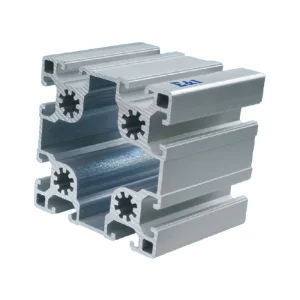
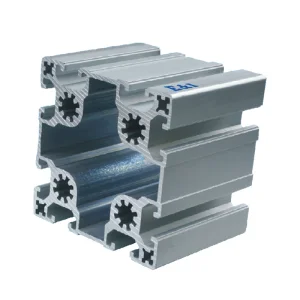
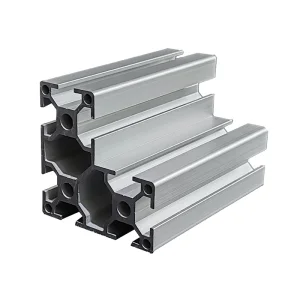
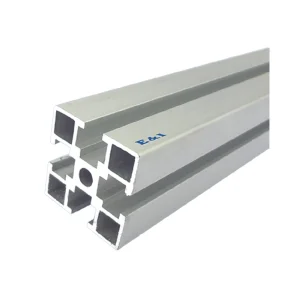
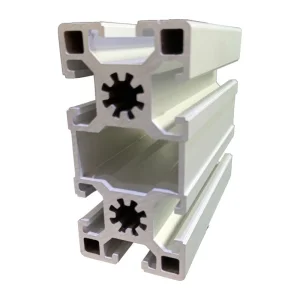
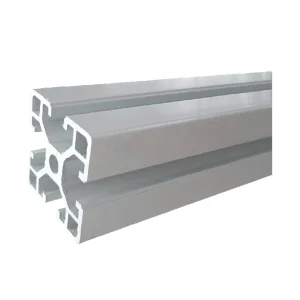
Modern structural engineering demands flexibility, speed of assembly, and high load capacity without sacrificing durability. Traditional welded steel structures require massive upfront labor, costly surface treating processes, and present a critical drawback: lack of modular adjustability. In response, modern industries are adopting heavy-duty modular aluminum profile frame systems secured by advanced T-slot anchor fasteners. The core of this system is the physics of mechanical clamping combined with precise profile slot engineering.
An anchor fastener operates by inserting a high-tensile steel pin directly into the core bore of one profile section, while its wedge head seats securely into the T-slot channel of the perpendicular profile. When tightened to the recommended torque specification, the fastener creates a continuous, high-tension friction connection that resists dynamic vibration, thermal expansion, and structural deflection. This mechanical solution leverages the inherent structural yield strength of 6000 series (6060, 6063, 6082) anodized aluminum alloys, providing clean, weld-free, and incredibly rigid frameworks.
To maximize structural efficiency, designers must select fasteners and profiles tailored to the specific application environment. Under Google's E-E-A-T criteria, demonstrating real-world operational deployments across diverse industries highlights true technical expertise:
In line with the business philosophy of "people-oriented, quality value, technological innovation, and win-win cooperation", Chengdu E&I Aluminum Industry Co., Ltd. is dedicated to the research and development and manufacturing of aluminum alloy products with high difficulty, high precision, and high requirements.
The company relies on The National Institute of Nonferrous Metals, drawing support from a professional aluminum alloy technology research and development team within China's light alloy industry. We provide customers with overall solutions for aluminum alloy products such as profiles, castings, and forgings. Our high-precision production and testing equipment guarantee product quality, while excellent professional services create value-for-money commercial value for customers. We have established ourselves as a strong strategic partner in aluminum alloy products and services, serving world-class automotive firms, aerospace enterprises, and industrial automation integrators globally.
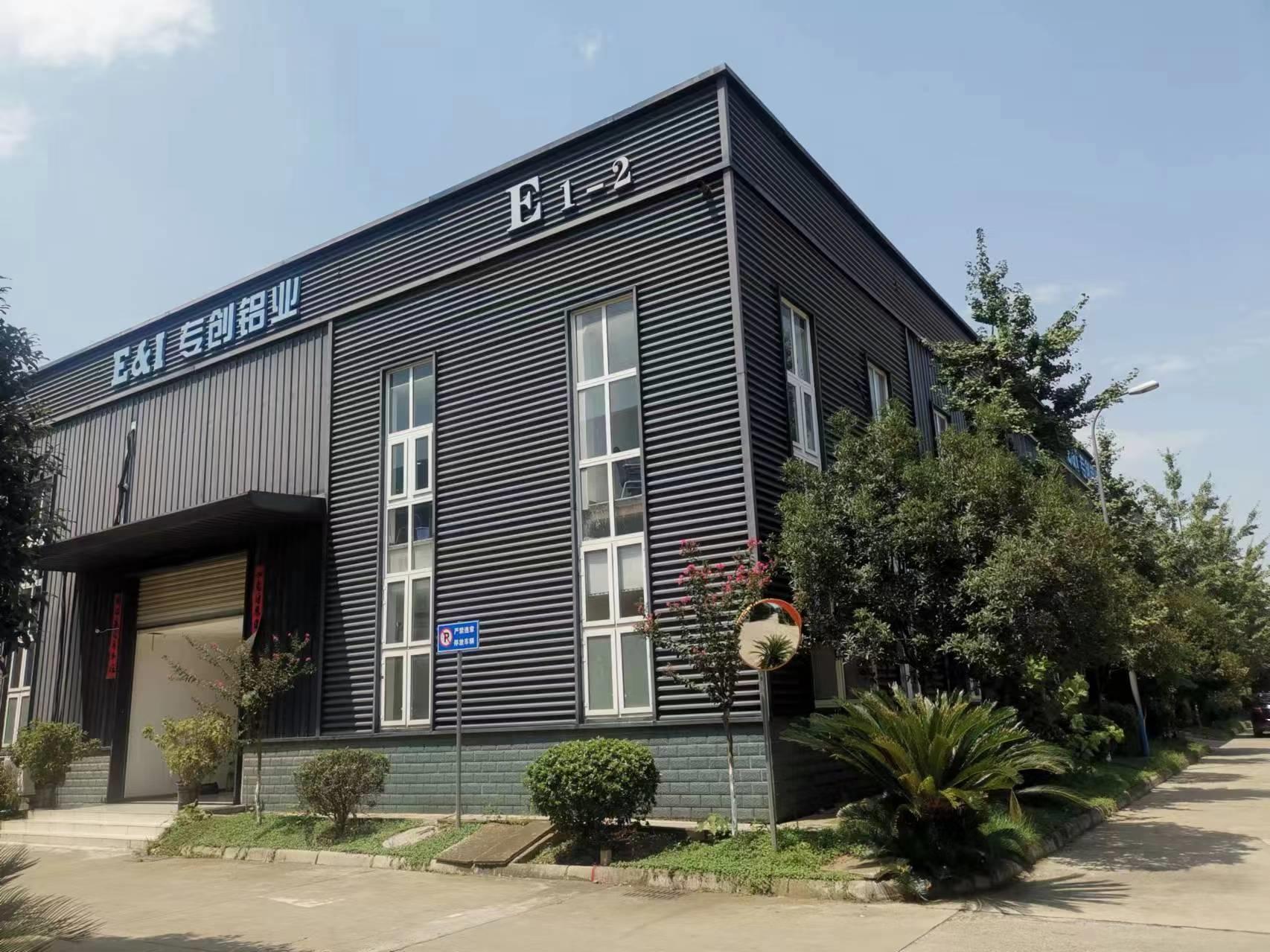
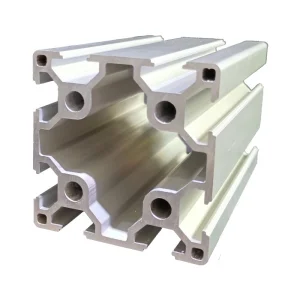
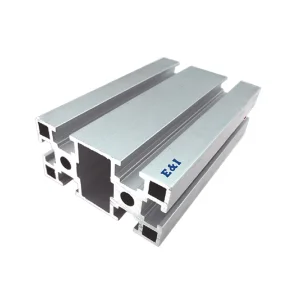
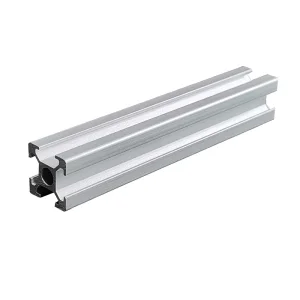
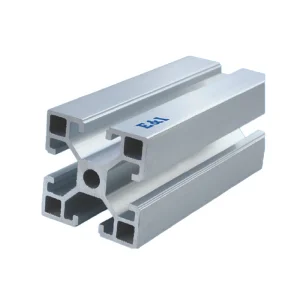
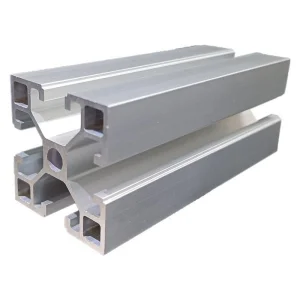
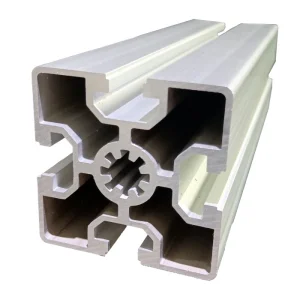
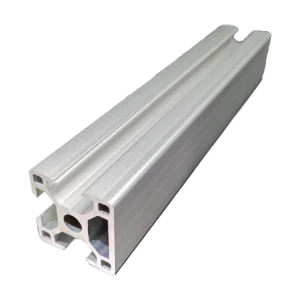
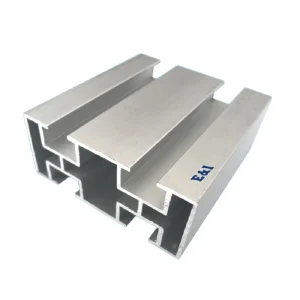
Global manufacturers and system integrators face increasing pressure to stabilize lead times while managing total cost of ownership (TCO). Chengdu E&I Aluminum Industry operates at the nexus of raw material security, manufacturing technology, and logistics expertise in Southwest China. We utilize modern extrusion machinery capable of handling various profile cross-sections, ranging from lightweight ENI-6-1515 to heavy-duty E&I-10-9090W profiles.
Our vertically integrated facility controls the entire lifecycle of profile creation: raw billet sourcing, alloy formulation validation, high-tonnage thermal extrusion, automated aging furnaces to achieve optimal T5/T6 hardness, and advanced chemical anodization/electrochemical coloring lines. This close-loop control mitigates supply chain disruptions and ensures that dimensional tolerances conform to strict European and North American standards. By positioning our R&D team in direct communication with extrusion technicians, we expedite prototyping cycles, taking custom designs from CAD models to physical extrusion samples in record time.
We provide various aluminum profile structural frames, workbenches, mechanical fences, solar supports, assembly lines, storage equipment, automation setups, and clean sheds. We offer a true one-stop design and installation service. The aluminum profiles provided by Chengdu E&I Aluminum Industry Co., Ltd. are produced according to the national high-precision requirements, featuring an exquisite surface finish, strong corrosion resistance, and high connection strength with anti-loosening and shock-resistant design principles.
Our vision is to strive to become one of the top three companies in China's aluminum alloy industry in terms of product competitiveness, innovation ability, and technical strength. We aim to enable our partners, clients, and shareholders to benefit from deep collaboration and sustainable development.
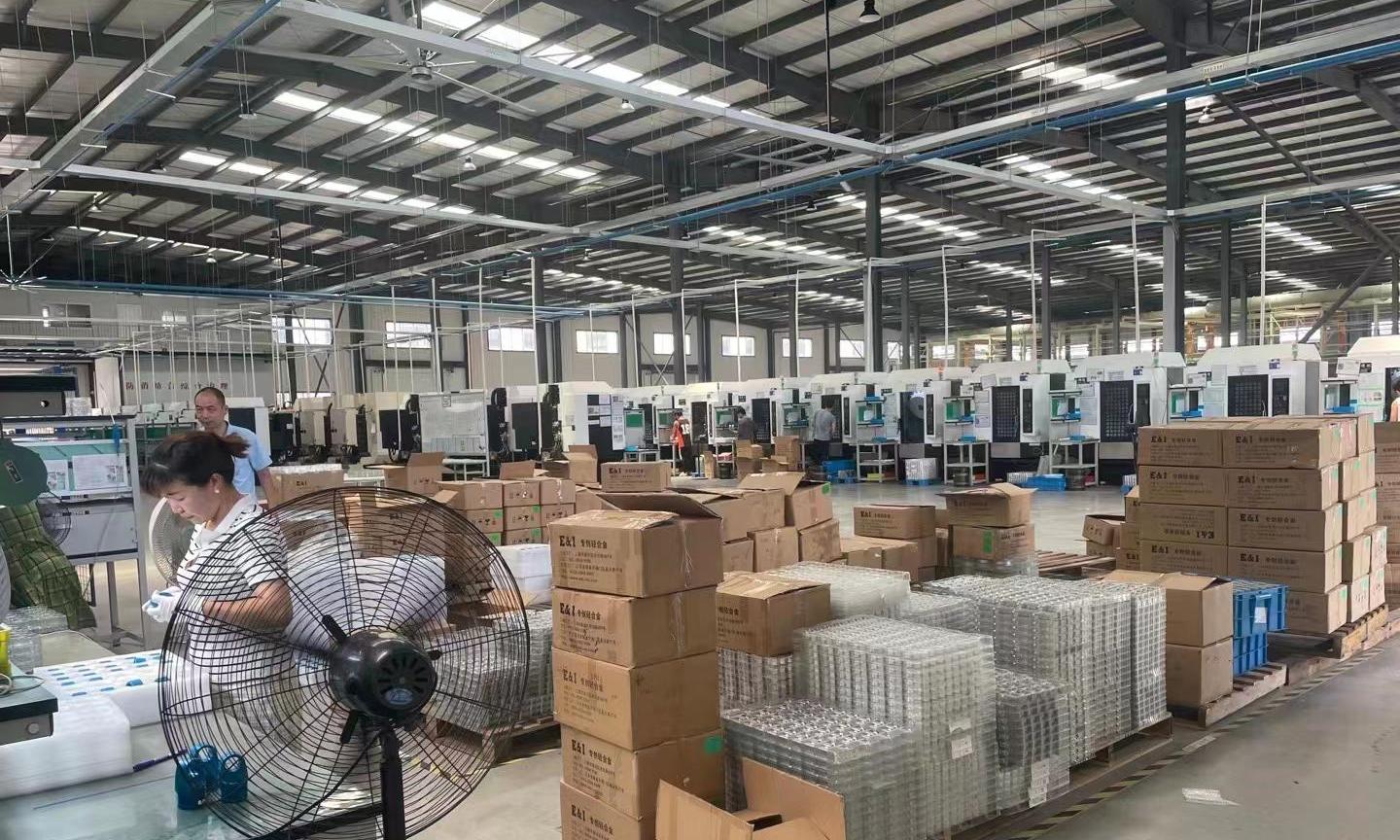
As industry 4.0 progresses, the requirements for structural frames are shifting from passive load-bearing elements to active, intelligent subsystems. Chengdu E&I is currently focusing on three key technology directions:
By simulating static and dynamic loads through Finite Element Analysis (FEA), we optimize profile geometries. Our R&D team refines inner rib structures to achieve up to a 15% reduction in profile weight while retaining equivalent torsional resistance, saving shipping costs and raw material usage.
We are developing fasteners with integrated strain gauges. In safety-critical aerospace maintenance stands or heavy vibration assembly lines, these smart fasteners send real-time tension data to automated monitoring systems, flagging maintenance teams before a structural failure occurs.
To support global carbon neutrality goals, we are expanding our usage of low-carbon aluminum billets refined using clean hydropower. Partnering with global industrial leaders, we provide certified eco-friendly structural profiles to minimize the scope 3 emissions of our clients.
Every localized market maintains unique safety and quality frameworks. Chengdu E&I verifies that all extrusion lines and alloy components pass strict industrial standards, including ASTM (American Society for Testing and Materials) requirements, EN (European Standards), and domestic high-precision industrial standards. This compliance ensures that our anodized surface treatment thickness averages 10 to 15 microns, defending against aggressive chemical environments and saline sea-air transport conditions.
Furthermore, our engineering team offers direct design assistance, converting 3D STEP drawings and verifying structural loading specifications prior to profile cutting. We provide machined profiles—pre-bored, tapped, and cut to precision tolerances (+/- 0.5mm)—allowing localized assembly crews to construct frames smoothly with zero troubleshooting time.
Driving the Future of Aluminum Extrusion and Heavy-Duty Structural Anchoring
Refining high-purity aluminum alloys with precise silicon and magnesium ratios to maximize ultimate tensile strength (UTS) and fatigue limit.
Implementing automated cooling tables and laser alignment systems to maintain strict straightness and twist parameters per ISO standards.
Proprietary anodizing and chemical passivation processes to ensure maximum corrosion resistance and aesthetic consistency.
Co-developing IoT-ready anchor fasteners and active structural monitoring devices for automated factory environments.
Technical guidance and engineering insights from our structural design specialists
Anchor fasteners reside inside the profile cavity, providing a flush, clean outer profile surface that is optimal for mounting panels, glass, or steel plating. Mechanically, the anchor joint pulls the profiles together face-to-face with high tensile force. This friction-locked connection offers higher structural stiffness, prevents joint slippage under vibration, and resists twisting better than typical corner brackets.
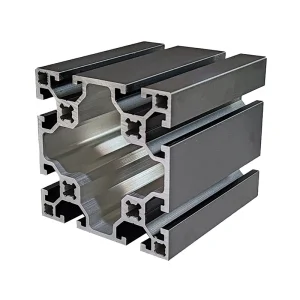
For heavy industrial frames supporting linear actuators, collaborative robots, or structural gantries, we recommend our 90mm or 80mm series profiles, such as the ENI-10-9090 or ENI-8-8080Y. These profiles feature thick walls and reinforced inner cross-braces, allowing them to withstand high dynamic moments and static loads.
Our standard profiles undergo clear or black chemical anodization, resulting in an oxide film thickness of 10 to 15 microns. For harsh chemical cleanup zones, semiconductor cleanrooms, or offshore applications, we can customize the anodization layer up to 20-25 microns to provide superior corrosion resistance and wear durability.
Our engineering team references ASTM and EN standards during raw material billet preparation, extrusion, and profile mechanical testing. We perform tensile tests, hardness tests (Webster), and dimensional checks using high-precision optical projectors to ensure all profiles delivered to North America, Europe, and Asia match engineering drawings and structural expectations.
Yes. Using appropriate transitions, such as adapter plates and specialized heavy-duty anchoring bolts, you can connect modular aluminum profiles to welded steel bases. This design combines the raw strength of steel foundation columns with the lightweight, modular adjustability of T-slot aluminum for upper-tier framing.
Precision Engineering Solutions for Assembly Lines, Workbenches, and Automation Brackets