Explore our leading collection of high-precision T-slot and standard structural modular systems.
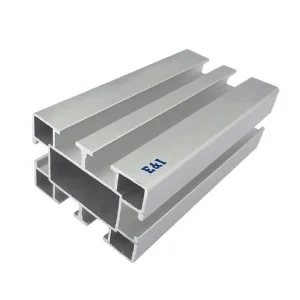
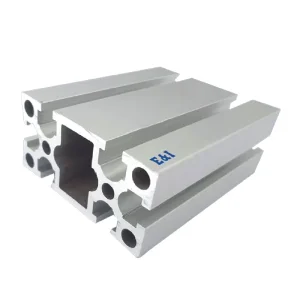
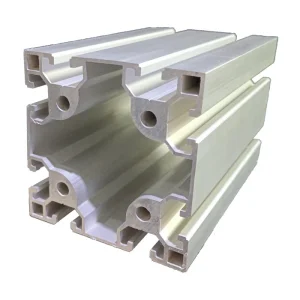
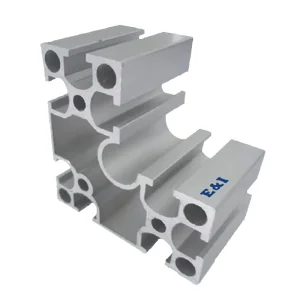
Modern industrial frameworks are witnessing a sweeping transition from traditional welded structural steel to modular extruded aluminum systems. This architectural shift is driven by the structural demands of the 4.0 industrial revolution: lightweighting, structural modularity, corrosion immunity, and zero-maintenance operational life cycles.
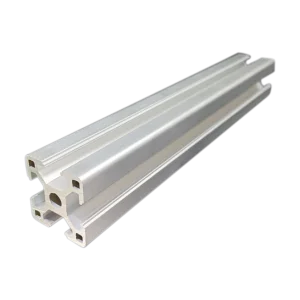
Aluminium angle profiles, structural T-slot channels, and custom extrusions provide unparalleled weight-to-strength ratios. Unlike structural carbon steel which requires intensive sandblasting, priming, painting, and regular rust treatments, anodized architectural and industrial aluminum profiles emerge from the extrusion press with a protective Al₂O₃ oxide layer, ensuring high resistance to atmospheric, chemical, and galvanic degradation.
"By integrating precision engineering with modular geometries, modern manufacturers achieve up to a 60% reduction in frame construction times and a 45% reduction in overall system weight, translating directly to transportation efficiency and reduced carbon footprints."
At Chengdu E&I Aluminum Industry Co., Ltd., we lead this industrial evolution by manufacturing high-performance extrusions designed for heavy mechanical loads, dynamic robotics enclosures, cleanroom workbenches, and structural supports across international aerospace and automotive supply chains.
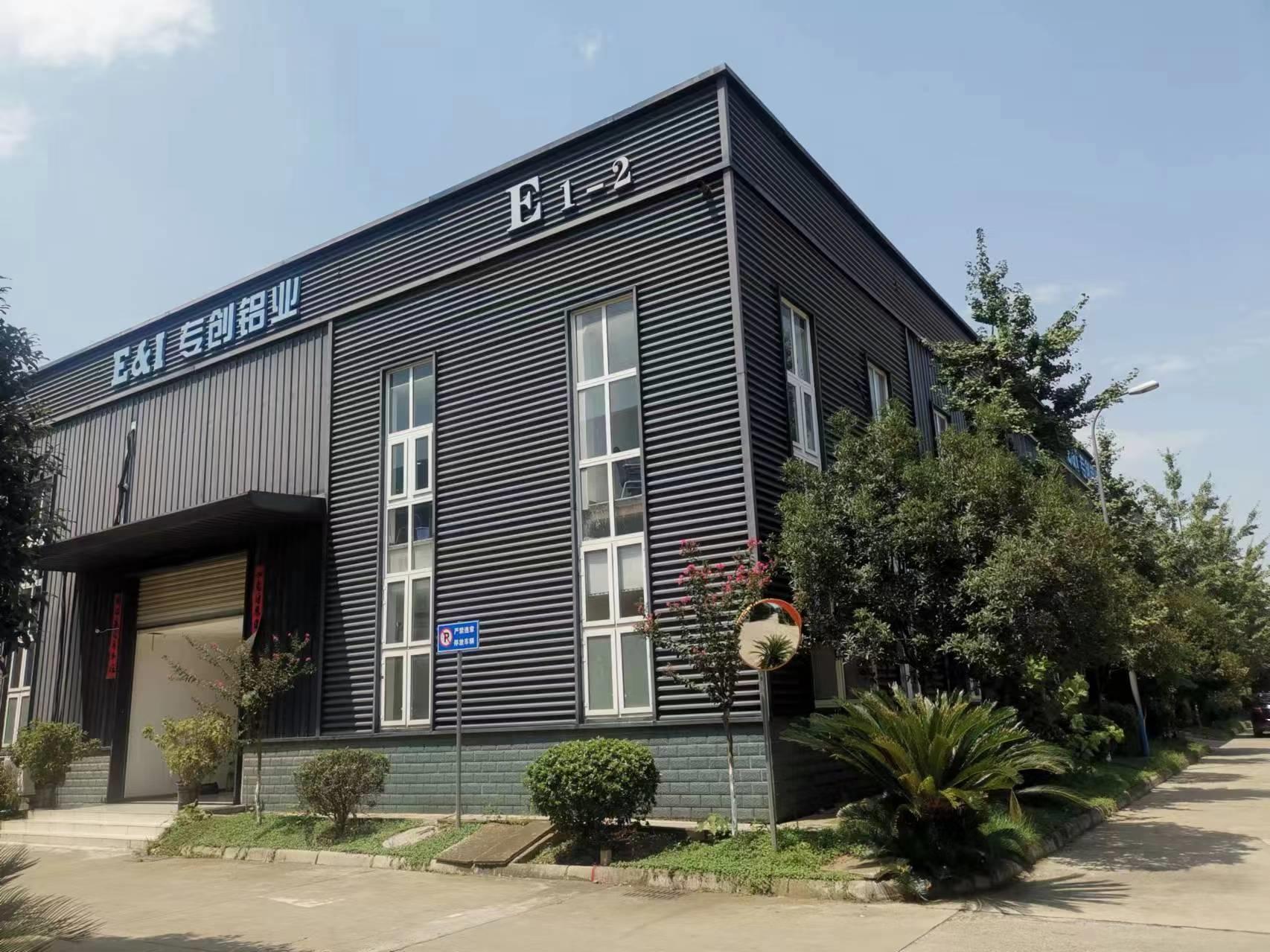
Behind every structural profile lies advanced metallurgy and strict dimensional tolerances developed alongside state research institutes.
Our structural profiles utilize 6000-series (primarily 6063-T5/T6 and 6061-T6) aluminum alloys. These formulations are optimized for superior extrusion properties, structural yield strength, and excellent response to surface anodization processes.
Collaborating with the National Institute of Nonferrous Metals, our extrusion profiles are held to tolerances tighter than standard DIN EN 12020-2, ensuring perfect component alignment and seamless assembly for automated robotics machinery.
Using fully automated electrochemical anodizing lines, we produce oxide coatings (10–25 microns) that defend components from high salt, chemical, and outdoor wear. Options include clear, satin silver, matte black, and dynamic custom colors.
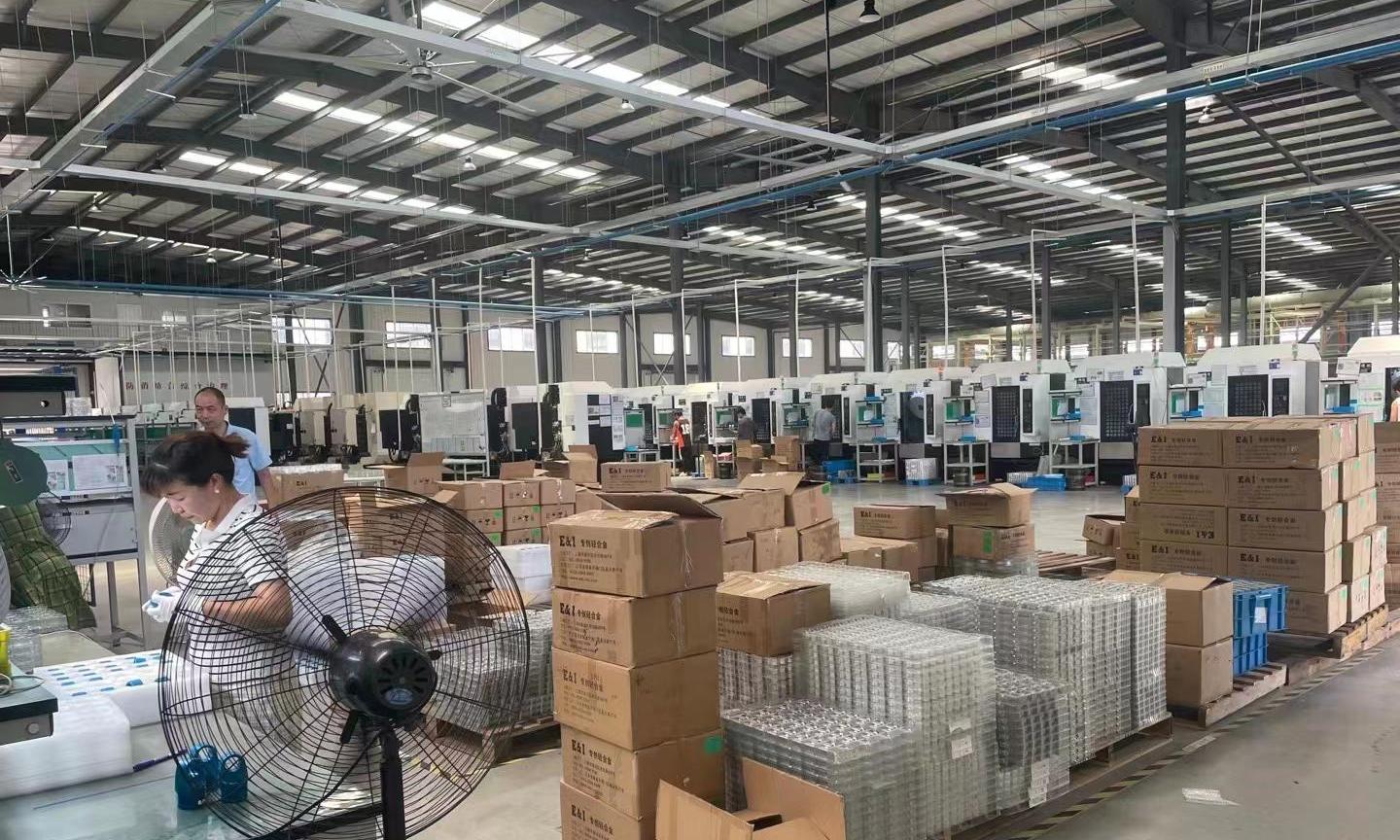
Our structural engineering systems represent the combined knowledge of the National Institute of Nonferrous Metals and our internal light alloy research team. We solve complex structural puzzles for high-precision components, high-density profiles, and industrial castings.
E&I’s structural aluminum portfolio undergoes rigorous mechanical testing. This includes tension tests, finite element analysis (FEA) modeling, salt-spray chamber testing, and load-bearing deflection studies. We guarantee our profiles satisfy demanding industrial constraints and ensure long-term structure integrity under stress.
From automated aerospace lines to high-throughput laboratories, E&I custom extrusion systems are deployed globally.
Collaborating with Global Fortune 500 automotive manufacturers, we supply high-capacity modular systems for welding cells, robot pedestals, and dynamic engine block transfer systems. The vibration-dampening qualities of our 6061-T6 profiles reduce mechanical stress in heavy cycle lines.
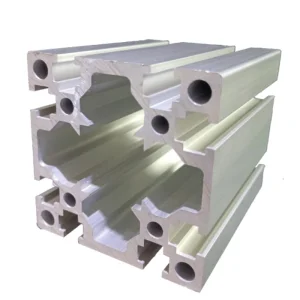
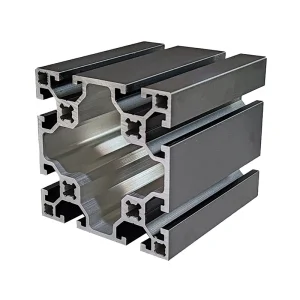
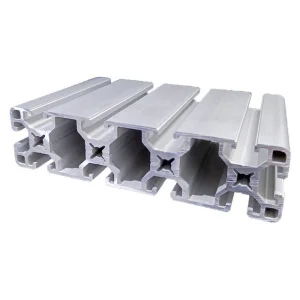
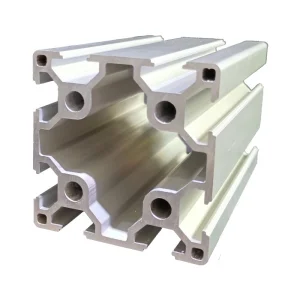
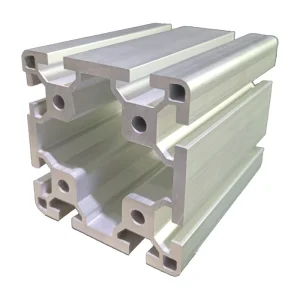
Heavy-duty structures require rigid supports. Using profiles like E&I-8-8080W and E&I-8-8080T, engineers design stable linear-actuator gantry frames, protective safety enclosures, and automated conveyor configurations that require minimal assembly time.
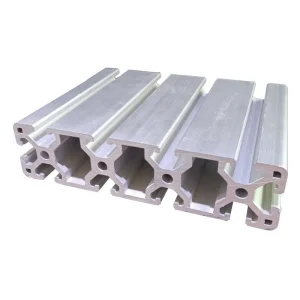
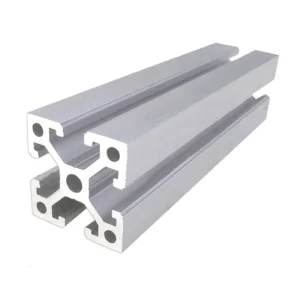
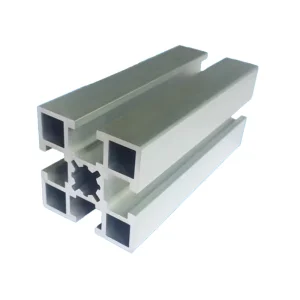
In semiconductor fabrication plants and biomedical research facilities, E&I aluminum workbenches (such as the ENI-8-4040X series) provide dust-free, non-outgassing workstations. Anodized finishes survive corrosive sanitizers, keeping contamination to a minimum.
E&I designs and manufactures durable support brackets for outdoor solar tracking mounts. These systems resist sustained wind loads and constant UV exposure while maintaining structural alignment over decades in the field.
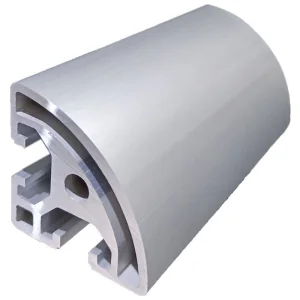
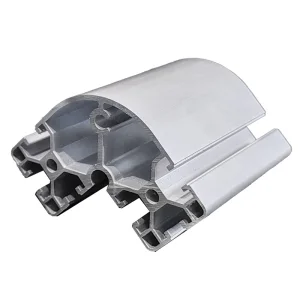
By using quarter-circle curved profiles like the E&I-8-8840R, factory designers implement ergonomic shielding around high-speed CNC tools. This combines structural aesthetics with robust occupational protection.
Operating a modern facility in Chengdu, China, E&I enjoys access to high-grade bauxite ore reserves, stable energy resources, and highly developed logistics systems. We handle everything under one roof: billet casting, die fabrication, extrusion press operation, automated chemical anodizing, precision CNC machining, and kit packaging.
This vertical integration removes supply chain gaps and reduces shipping times to European, North American, and Asia-Pacific ports. Rather than sourcing profiles, brackets, fasteners, and panels from different suppliers, customers receive verified modular packages ready for fast assembly.
Our quality control processes ensure every extrusion complies with ISO 9001 and international safety standards. With robust raw material inventories, E&I remains a reliable supplier even during times of international shipping disruption.
We manage every production step internally—from initial raw aluminum billet casting to final post-extrusion CNC machining. This ensures consistent dimensional accuracy and strict quality control.
Our modern extrusion lines utilize energy-efficient heating systems and closed-loop water treatment. We support carbon reduction goals by incorporating clean energy sources and recyclable raw metals.
Understanding where structural engineering is headed helps us design materials that remain relevant for decades.
We are researching structural aluminum profiles featuring integrated channels for sensor wiring, fiber-optics, and micro-sensors to monitor strain and heat in real-time.
By introducing nano-particulates into our aluminum melts, E&I aims to manufacture profiles with mechanical capabilities approaching high-strength steel while preserving lightweight properties.
Our goal is to increase the percentage of post-industrial recycled alloys in non-critical architectural extrusions, reducing manufacturing carbon footprints by up to 80%.
E&I provides end-to-end engineering support. We assist international clients throughout the design phase, offering downloadable CAD templates and structural deflection calculators to confirm profile selections before extrusion begins.
We offer customized structural packaging, dynamic component labeling, and step-by-step assembly guides to simplify installation. Our global network of technical representatives ensures you have the support needed to address complex mechanical projects quickly.
All E&I materials satisfy ASTM structural metrics, European Union RoHS requirements, and ISO 9001 quality management procedures, ensuring smooth approval processes across global projects.
Find answers to common technical queries about structural design, alloy performance, and anodizing standards.
Explore our heavy industrial extrusions, high load-bearing frames, and custom cleanroom workbenches.