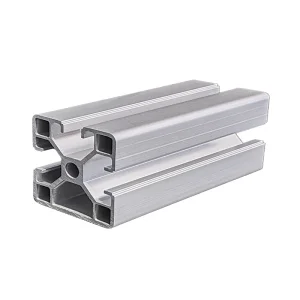
Engineered for absolute structural rigidity, designed to interface seamlessly with high-precision Swiss manufacturing architectures.
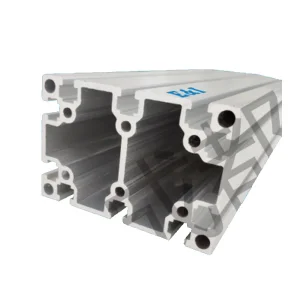
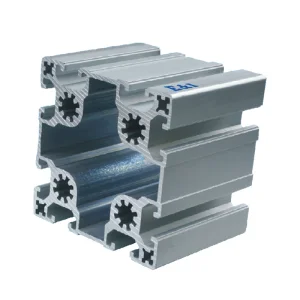
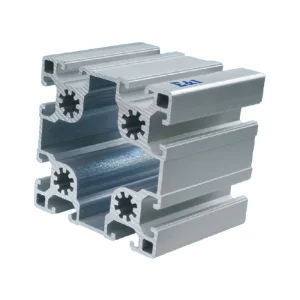
Switzerland stands at the pinnacle of global high-precision manufacturing, micro-technology, pharmaceuticals, and automated industrial plants. Swiss engineering demands components that possess rigorous tolerances, aesthetic sophistication, and absolute structural reliability. From cleanrooms in Basel’s life science sectors to precision CNC framing in Zurich's machinery hubs, the requirement for standard-defining structural elements is uncompromising.
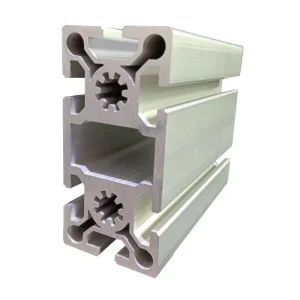
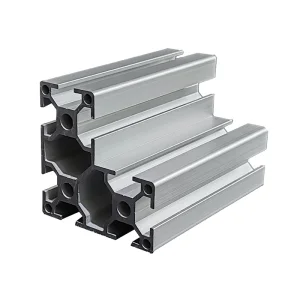
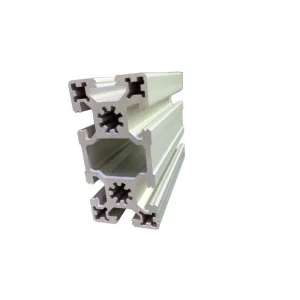
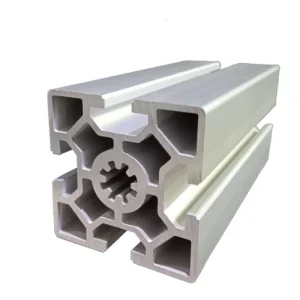
Within this ecosystem, the 90 Series Aluminum Profile (90mm x 90mm cross-section) acts as the fundamental load-bearing framework. Unlike lighter profiles, the structural moment of inertia offered by the 90 series accommodates high static and dynamic forces. This makes it an ideal medium for mounting heavy robotics axes, cleanroom gantry setups, and structural protective enclosures that adhere to Swiss safety regulations.
Through our dedicated supply lines and engineering service catering to Switzerland, Chengdu E&I Aluminum Industry Co., Ltd. delivers customized extrusions and components that fulfill these complex expectations. We bridge the gap between heavy-duty stability and aesthetic refinement, providing anodized modular framing that integrates seamlessly with European industrial standards.
We supply products manufactured under strict ISO 9001 and CE frameworks. Our extrusion dies yield tolerances that comply with EN 755-9 specifications, which are key for the micro-alignments required in watchmaking factories and high-load automated assemblies across Bern and Saint Gallen.
A comparative overview of global supply chain adjustments, focus on ESG initiatives, and modular framework shifts.
Across the global manufacturing landscape, there is a clear trend toward modular, fast-assembly solutions that replace traditional welded steel structures. Welded steel requires post-weld machining, stress relief, priming, and painting—all of which generate a significant carbon footprint and lengthen project lead times. In contrast, modular aluminum profiles allow for rapid assembly, simple modifications, and full recyclability.
For Swiss multinational corporations, adherence to ESG (Environmental, Social, and Governance) mandates is a critical factor in vendor qualification. Aluminum’s high recyclability, coupled with the low carbon footprint of modernized Chinese smelters utilizing clean energy grid options, makes it a preferred material. Our manufacturing facilities utilize energy-efficient extrusion presses and advanced filtration systems to minimize emissions, ensuring compliance with global environmental standards.
Additionally, the globalization of supply chains means that design files created in Europe must be executed with identical properties in Asia or the Americas. Our 90 series dimensions (including 10mm T-slot configurations) conform to international system standards, ensuring that components sourced from Chengdu E&I will pair with existing European modular hardware without mismatch.
| Feature Parameter | E&I 90 Series Profile | Traditional Welded Steel Framework | Standard Light 45 Series Profile |
|---|---|---|---|
| Bending & Torsional Rigidity | Very High (Ideal for large gantries & heavy frames) | Extremely High (Requires heavy processing) | Medium (Prone to deflection under heavy loads) |
| On-site Assembly Time | Fast (T-bolt connection, no welding needed) | Slow (Requires welding & anti-rust paint) | Fast (T-bolt system) |
| Material Recycling Potential | 100% Recyclable (High salvage value) | Low/Difficult sorting value | 100% Recyclable |
| Corrosion Resistance | Excellent (Anodized finish, no maintenance) | Poor (Prone to rust, requires painting) | Excellent (Anodized finish) |
| Modularity & Expansion | Excellent (Infinite adjustability along the T-slot) | None (Requires cutting and welding to modify) | Excellent (Adjustable) |
Leveraging China's advanced industrial supply chain and light-alloy metallurgy expertise to deliver cost-optimized precision.
Collaborating closely with China's National Institute of Nonferrous Metals, we possess a dedicated light-alloy technology R&D team. This allows us to strictly regulate trace elements (Mg, Si, Fe) within our alloys, securing mechanical properties that exceed standard industry thresholds.
From custom mold design and die fabrication to direct profile extrusion, advanced surface finishing (automatic anodizing, electrophoretic painting, electrostatic powder spraying), and CNC precision machining—we control the entire value chain in-house, ensuring consistency and lower lead times.
We have supplied automotive OEMs, tier-1 electronics manufacturing corporations, and aerospace companies within the Fortune Global 500. Our logistics channels route freight from Chengdu to Western Europe, using rail, air, and marine transport to coordinate with Swiss inventory levels.
Our focus extends beyond extrusion. Chengdu E&I provides a complete structural design, engineering, supply, and assembly service. We construct ready-to-use linear actuator supports, cleanroom sheds, solar rack support assemblies, conveyor frames, and protective perimeter barriers.
By using optimized extrusion processes and advanced tool design, we minimize scrap and optimize mechanical properties. This efficiency is passed on to Swiss customers, offering a competitive pricing structure compared to local Western European suppliers, even when shipping and import clearances are factored in.
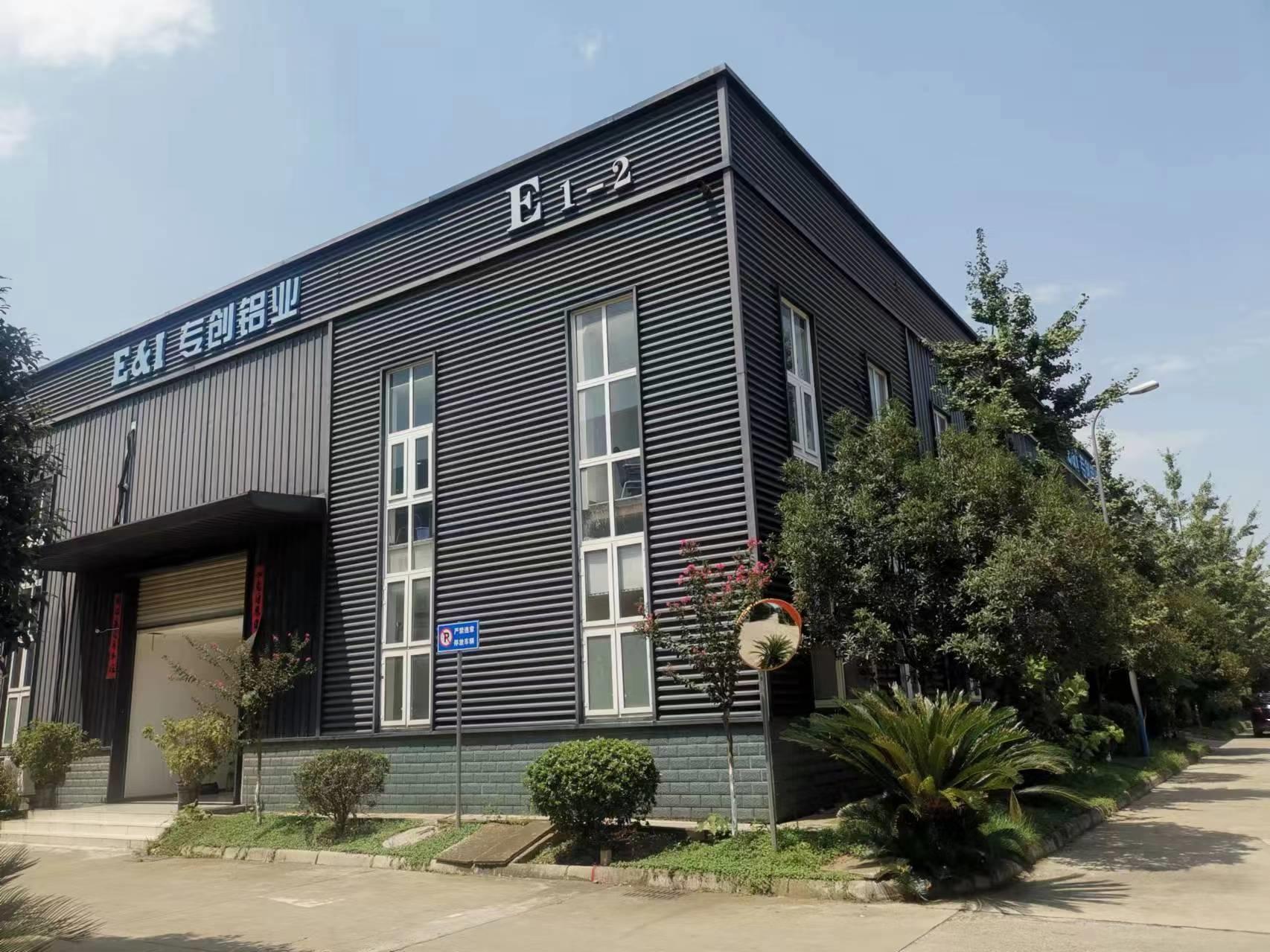
Practical applications of our structural profiles across Switzerland's leading industrial sectors.
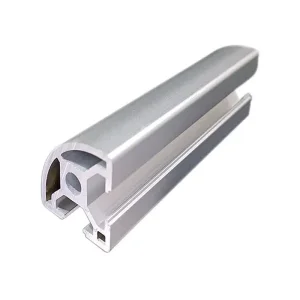
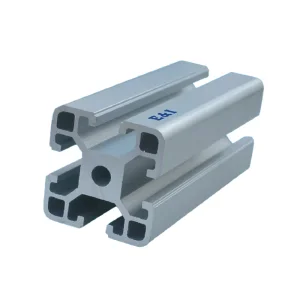
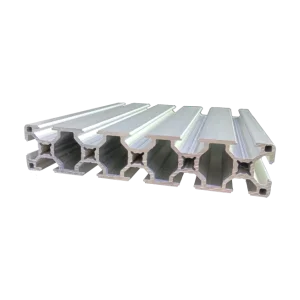
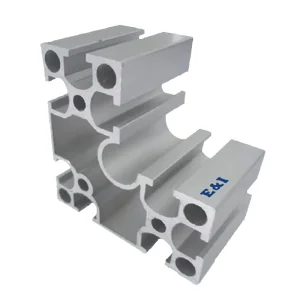
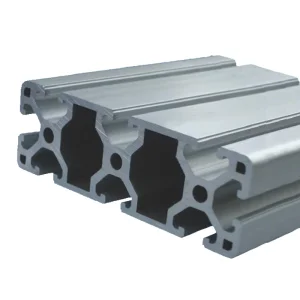
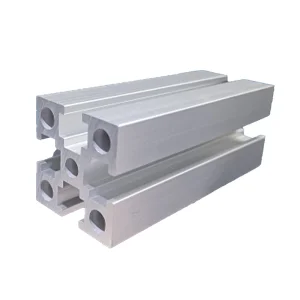
Cleanroom environments in Switzerland’s biotech sector require materials that do not outgas, resist chemical cleaning agents, and prevent particulate collection. Our ENI-6-6090 profiles feature smooth surfaces and specialized edge profiles that reduce particle accumulation. Fitted with ceiling fan filter units (FFUs), these frameworks sustain class-100 clean zones with simple mechanical assembly, bypassing the need for welding that could disrupt active cleanroom environments.
Micro-component assembly stations demand clean workspaces free from vibration. The ENI-10-9090 Heavy Duty Aluminum Profiles provide the static mass and structural rigidity required to support pneumatic pick-and-place equipment. The integrated T-slots allow for simple mounting of optical microscopes, tool holders, clean air ducts, and dynamic safety barriers.
Key considerations for design engineers and supply chain directors sourcing structural aluminum profiles.
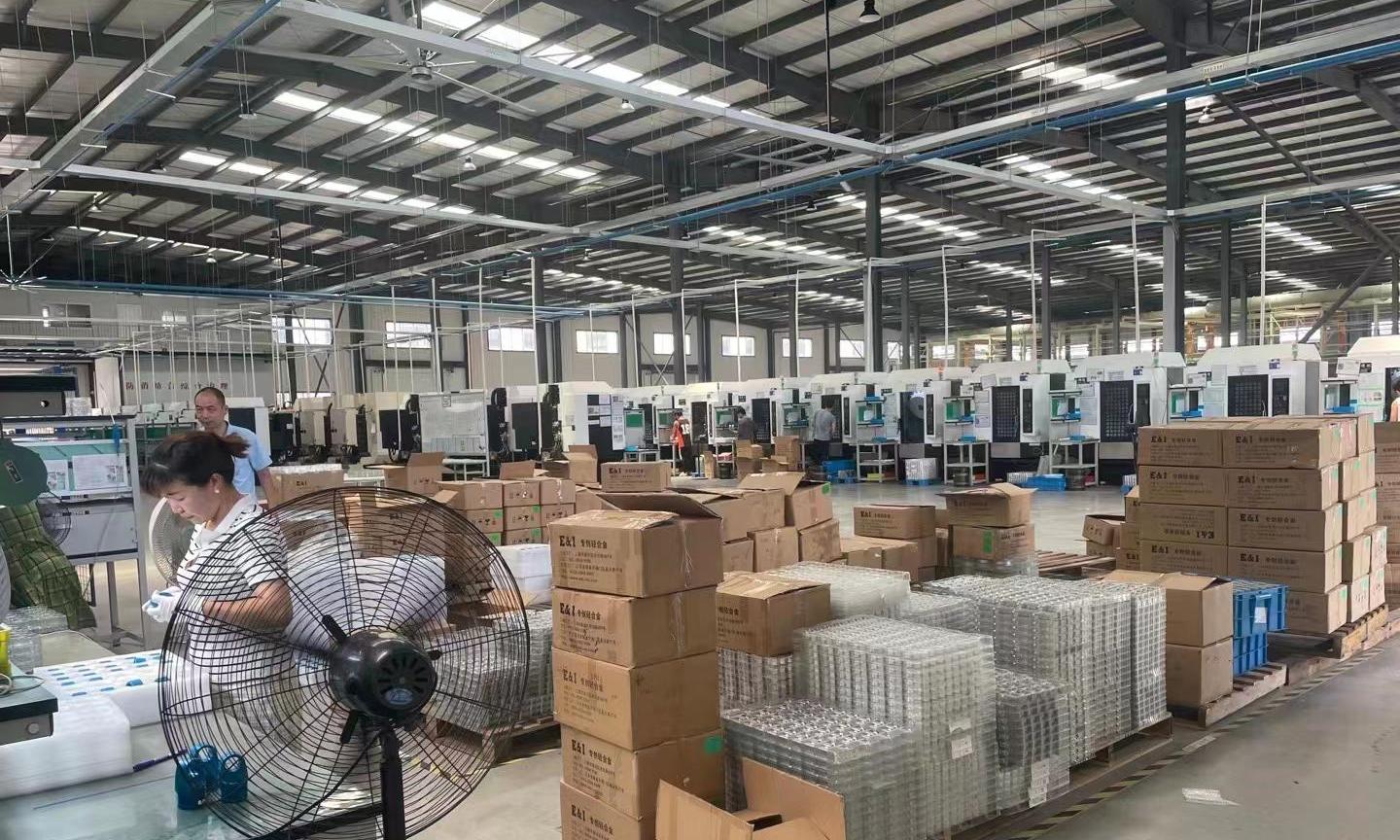
When selecting industrial extrusion partners, mechanical reliability must be supported by clear documentation. A standard decision matrix evaluates three main elements:
Providing clear technical answers regarding engineering design, logistics to Switzerland, and custom capabilities.
Yes. The 90 series (specifically the 9090W and ENI-10-9090 profiles) is engineered for structural load applications. With a moment of inertia designed to resist bending under dynamic loads, it serves as an excellent frame for multi-axis Cartesian systems, linear actuator arrays, and collaborative robot (cobot) platforms.
We provide clear anodizing (typically 15-20 microns thick) which prevents outgassing and particle shed. For specialized laboratory and aesthetic setups, we also offer custom powder coating and black anodizing, ensuring clean, non-reactive surfaces suitable for sterile environments.
We handle global shipping terms including DDP, CIF, and FOB. For Swiss clients, we coordinate with specialized logistics networks to manage transit via the China-Europe Railway Express or ocean freight to major European ports, followed by road transport directly to locations like Zurich, Basel, or Geneva. We assist with all custom clearance documentation.
Yes, our profiles are designed with slot widths of 6mm, 8mm, or 10mm matching standard European slot profiles. This compatibility allows our profiles to connect directly with existing inventory of T-nuts, brackets, corner plates, and mounting elements.
Our standard structural profiles are extruded from high-grade 6063-T5/T6 and 6061-T6 aluminum alloys. Every shipment includes chemical composition and mechanical properties certificates, confirming compliance with EN 10204 3.1 standards.
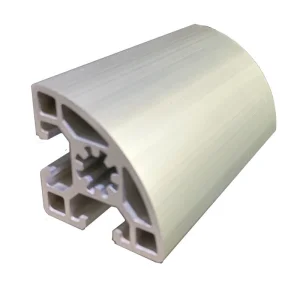
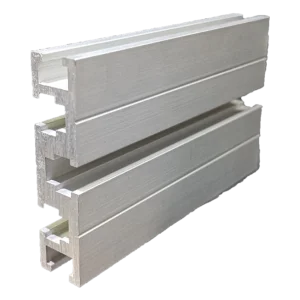
Ancillary profile sections, specialized shapes, and custom extrusions to complete complex machinery builds.