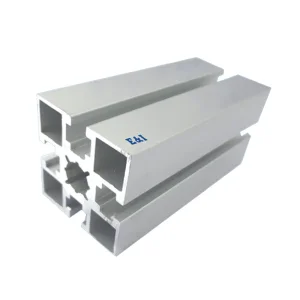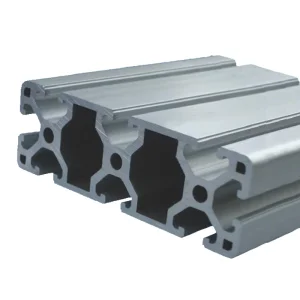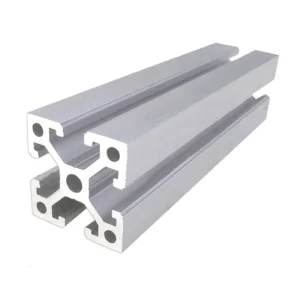
Explore our flagship high-strength, anodized, and custom-machined aluminum extrusions engineered to meet rigorous international industrial tolerances.
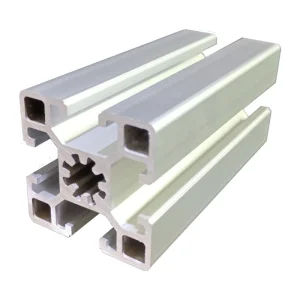
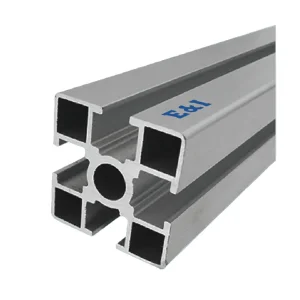
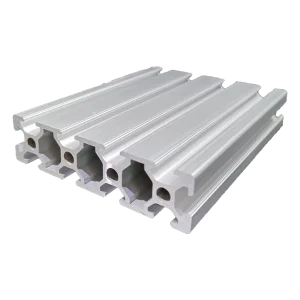
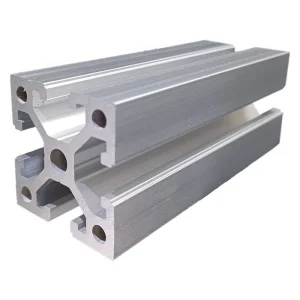
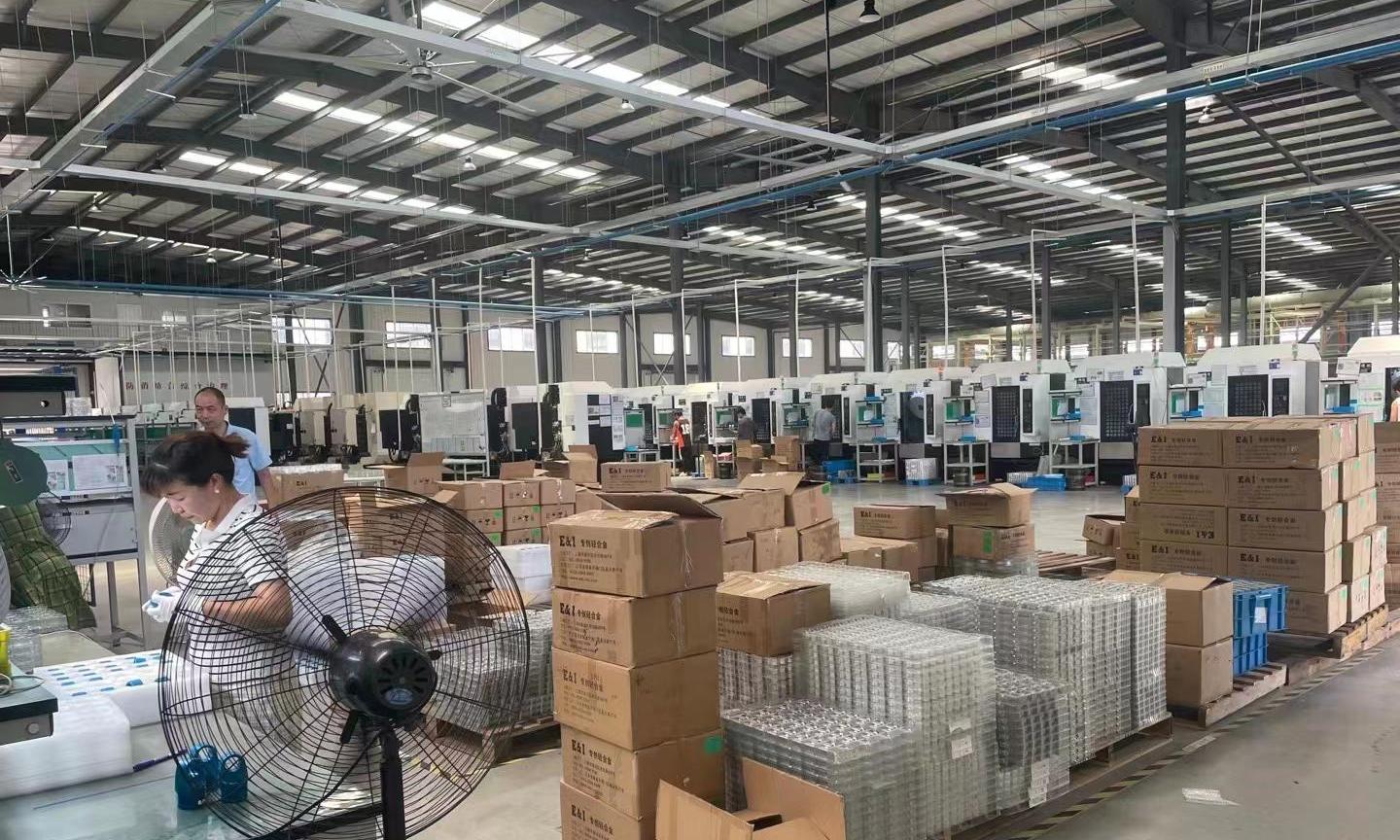
Operating at the intersection of metallurgy, design engineering, and modern material processing, Chengdu E&I Aluminum Industry Co., Ltd. has established itself as an industry-leading manufacturer of high-precision, high-complexity aluminum alloy profiles, castings, and forgings. Guided by our core pillars of "people-oriented management, quality value creation, continuous technological innovation, and win-win market cooperation," we serve as a premier strategic OEM/ODM partner for global industrial giants.
Our core competitive advantage is built on our strategic alliance with The National Institute of Nonferrous Metals. This relationship integrates advanced research and alloy technology directly into our production processes. Backed by our light alloy engineering team, we deliver turnkey solutions from metallurgical formulation to architectural and structural extrusion configurations. Our operations are fully geared toward meeting the tight tolerances demanded by automotive manufacturing, aerospace systems, cleanroom engineering, and high-speed robotic automation.
Developing unique, high-difficulty, and proprietary light alloy recipes in alignment with national academic research centers.
Regularly audited and trusted by global leaders in the automotive, aerospace, and energy sectors.
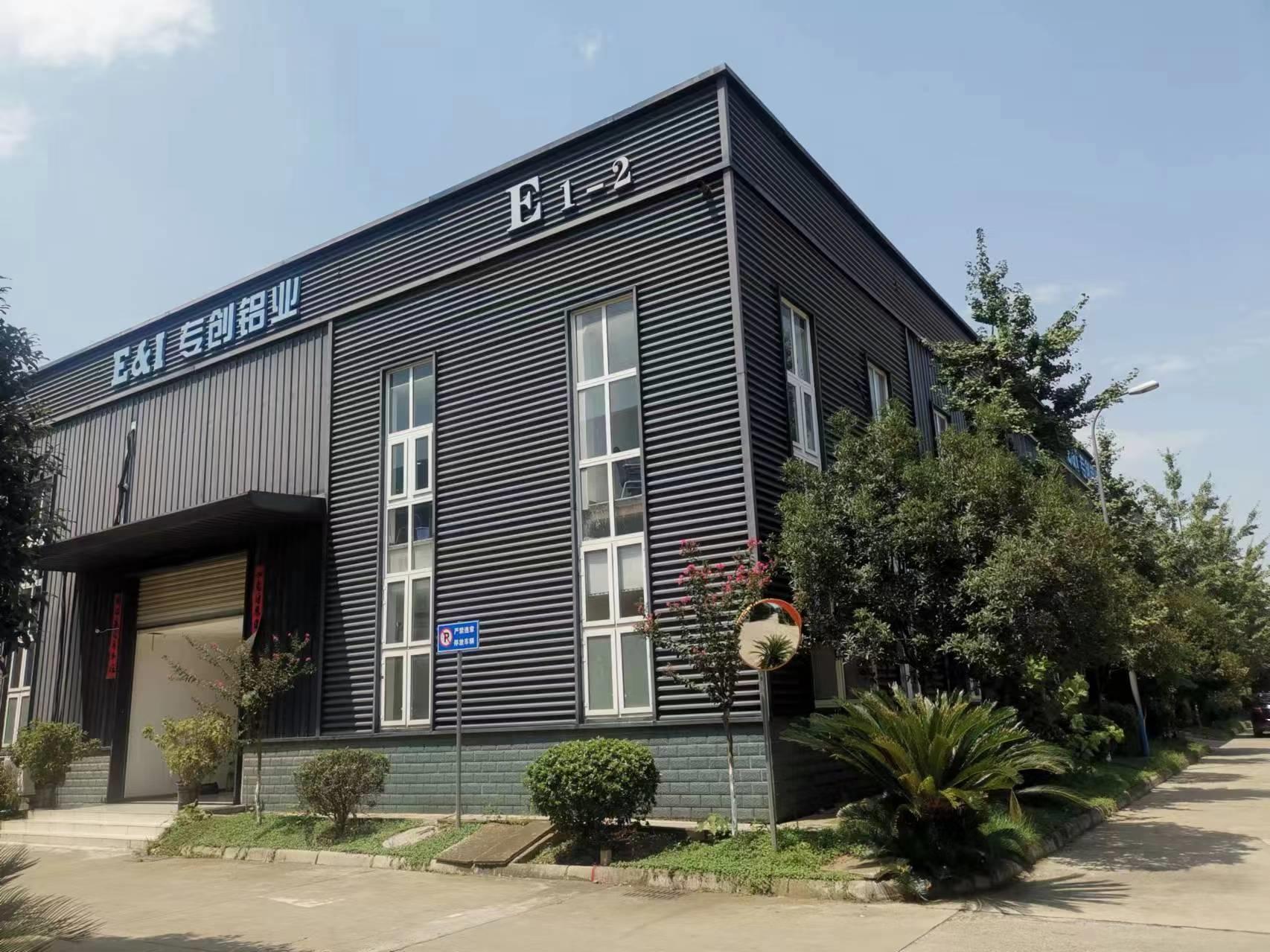
An in-depth whitepaper analysis of macroeconomic factors, material properties, and supply chain paradigms driving the modern light-alloy extrusion market.
In the search for lighter, stronger, and more sustainable structural components, modern manufacturing is turning to aluminum alloys. As sectors like electric vehicle (EV) automotive frames, aerospace logistics, and modular industrial automation grow, they demand structural elements that deliver both low weight and high mechanical performance. Extruded aluminum profiles—particularly those in the 6000 and 7000 alloy families—provide a high strength-to-weight ratio, excellent corrosion resistance, and simple mechanical assembly.
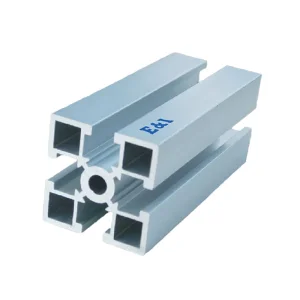
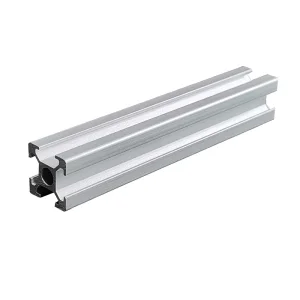
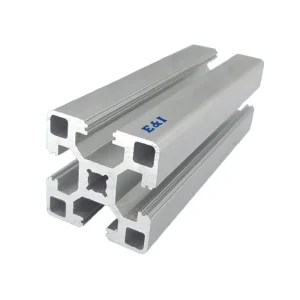
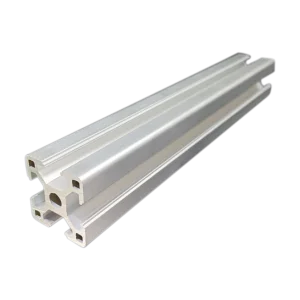
Traditional structural engineering relied heavily on welded steel frames. However, steel structures require cutting, welding, stress-relieving, grinding, and painting—processes that are time-consuming and difficult to modify. In contrast, modular T-slot aluminum systems (such as the 6mm, 8mm, and 10mm slot width profiles) bypass these manufacturing bottlenecks. They use standard fastening systems to support fast assembly, easy adjustment, and infinite reuse, matching the fast design cycles of modern manufacturers.
Engineering Metric Insight
Raw aluminum naturally forms a thin oxide film upon exposure to atmosphere, but this thin boundary layer is insufficient for harsh, high-wear industrial environments. Chengdu E&I Aluminum Industry Co., Ltd. implements state-of-the-art automatic anodizing and electrochemical bath lines to grow a uniform, controlled oxide layer deep within the profile’s surface.
This anodized coating, typically meeting Type II architectural and industrial standards with thicknesses of 10 to 20 microns, performs multiple roles. It locks out oxygen to prevent corrosion, hardens the outer surface of the profile to resist scratches, and creates a clean, non-conductive finish that prevents component galling and debris buildup. In cleanroom environments (such as semiconductor assembly line systems), our high-finish, anodized profiles prevent particulate emission, making them suitable for Class 10 to Class 100 clean rooms.
Building sustainable industrial infrastructure through dedicated engineering, long-term partnerships, and structured management philosophies.
Our core mission is to rank among the top three leaders in China's aluminum alloy industry for product competitiveness, R&D innovation, and technical strength. We aim to provide global industries with high-performance light alloy solutions that lower structural weight, improve operational safety, and simplify modular assembly.
By working closely with leading research institutes and refining our raw material supply chains, we build long-term value for our clients. We help shareholders, partners, and employees grow together, supporting a shared path toward sustainable industrial development.
We regard employees as our most valuable wealth, providing competitive compensation, safe manufacturing environments, and clear paths for professional growth.
We target zero-defect manufacturing, ensuring that all extrusions and assemblies meet strict national and international tolerances.
We invest continuously in material science, die design, and CNC processing. We believe systematic innovation is key to staying ahead.
We work closely with clients, suppliers, and academic research institutions to build a transparent, reliable, and mutually beneficial supply chain.
A look at upcoming developments in green metallurgy, smart manufacturing, and customized structural designs from 2025 to 2030.
Integrating post-industrial and post-consumer recycled content into structural extrusions. Using renewable hydro-powered smelting to reduce Scope 1 and Scope 2 carbon footprint for environmental sustainability.
Developing new 6000 and 7000 series alloy variations with the National Institute of Nonferrous Metals. These alloys will target up to 25% higher tensile strength while keeping excellent extrusion properties.
Deploying AI-driven dimensional checks and automatic die tuning. This setup will adjust extrusion speeds in real-time, reducing material waste and keeping dimensional deviation under 0.02mm.
Our high-precision aluminum extrusions support key industries and cleanroom setups around the world.
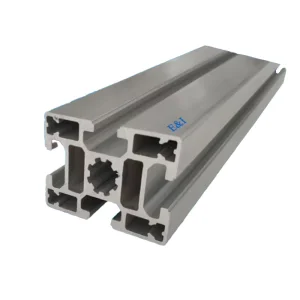
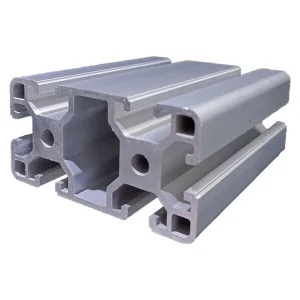
Using T-slot profiles like E&I-8-4040D and E&I-8-4080 to build modular frames. This allows easy mounting of pneumatic actuators, optical sensors, and cable routing directly in the extrusion slots.
Using clear-anodized profiles with low outgassing properties to construct clean sheds, fan filter unit (FFU) ceilings, and sterile work enclosures that prevent dust accumulation.
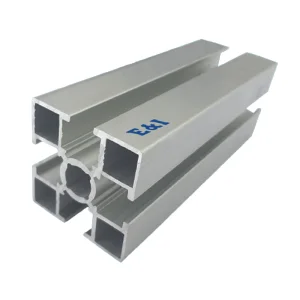
Integrating light frame extrusions (such as ENI-6-1515 and ENI-8-3838B) with polycarbonate panels or wire mesh to build safety fences that meet OSHA and ISO mechanical protection standards.
Designing heavy-duty workbenches like the ENI-8-4040GE drawer-type workbench. These setups improve workspace organization and tool accessibility, reducing operator fatigue.
Answers to technical, metallurgical, and design questions, provided by our structural engineering and material science team.
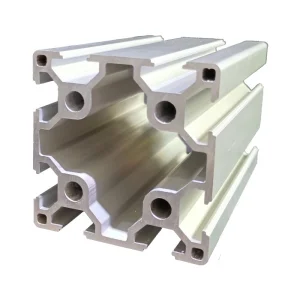
The slot width determines the profile's load capacity and compatible fasteners. 6mm slots (like the ENI-6-1515 and ENI-6-3030G) are designed for lightweight frameworks, sensor mounts, and display cases, using M3, M4, or M5 hardware. 8mm slots (such as the ENI-8-4040 and ENI-8-4080) are the industry standard for automation frames, conveyors, and workbenches, using M6 or M8 hardware. 10mm slots (like the E&I-10-4545 and ENI-10-4060H) are engineered for heavy-duty load-bearing frames, crane rails, and structures exposed to dynamic forces, using heavy-duty M8 or M10 fasteners.
Our profiles undergo a controlled acid-anodizing bath that converts the aluminum surface into a hard, integrated aluminum oxide layer (Al₂O₃). This layer is chemically bonded to the metal substrate and cannot peel. This non-reactive barrier protects the metal from moisture, mild chemical exposure, and friction wear. It prevents pitting and galvanic corrosion when using stainless steel fasteners in wet or coastal environments.
Yes. Aluminum has high thermal conductivity (~200 W/m·K). We design custom extrusions with thin, multiple cooling fins to maximize surface area. These profiles serve both as structural supports and heat sinks for motor drives, laser modules, high-power LEDs, and solar converters.
Our T-slot profiles feature a slight taper on the inner slot flange. When T-nuts and high-tensile bolts are tightened, this taper acts like a spring lock washer, tensioning the fastener under load. This built-in friction, combined with anti-vibration accessories like thread-locking compounds and serrated lock plates, ensures the assembly remains secure on high-vibration machines and dynamic robotic axes.
A breakdown of what we deliver for your production lines, and the parameters required to start a custom engineering project.
Explore our heavy-duty profiles, specialized structural framing solutions, and versatile accessories designed for critical industrial applications.