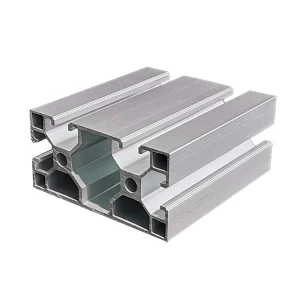
Explore our top-tier catalog of precision-engineered industrial aluminum profiles, high-load brackets, and anti-collision assemblies.
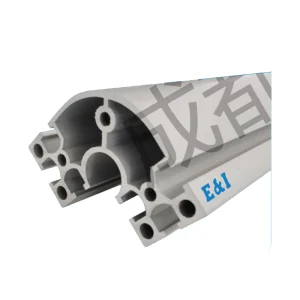
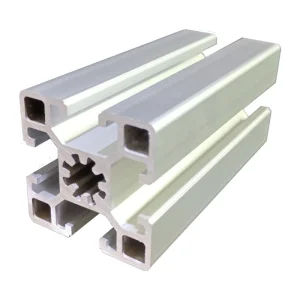
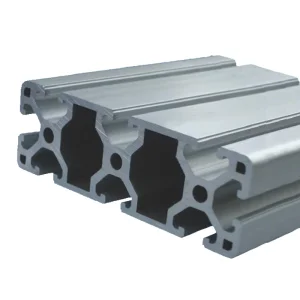
An authoritative analysis of structural engineering dynamics, material science breakthroughs, and macro procurement strategies.
In the modern landscape of structural engineering and high-precision manufacturing, the transition from traditional heavy ferrous metals to advanced aluminum alloys represents one of the most critical paradigm shifts of the past half-century. Structural components such as aluminium angles and extrusion profiles are no longer viewed merely as static support elements. Today, they are complex, engineered building blocks designed to satisfy multi-axial stress states, optimize load-to-weight ratios, and provide lifetime immunity to aggressive atmospheric and chemical corrosion.
Global net-zero mandates are pushing industries to adopt materials with lower lifecycle carbon footprints. Aluminum's infinite recyclability without property degradation makes it the prime candidate for sustainable structural design.
By precisely manipulating trace amounts of silicon, magnesium, and manganese (such as in 6000-series alloys), extrusion mills achieve yield strengths comparable to mild steels while retaining superior ductility.
The rise of automated assembly lines requires modular frames with standardized slot shapes and precise tolerances, eliminating the need for traditional, time-consuming welding processes.
Historically, structural engineers were limited by the mechanical characteristics of standard carbon steel profiles. Steel, while possessing high ultimate tensile strength, presents critical failure modes related to hydrogen embrittlement, progressive oxidation, and excessive dead load. Structural aluminum profiles address these deficiencies directly. The naturally occurring, self-passivating alumina (Al₂O₃) layer on aluminum surfaces acts as a continuous barrier against environmental oxidation. When enhanced via controlled electro-chemical anodization, this oxide barrier is thickened, providing class-leading surface hardness and resistance to abrasive wear.
In high-stress mechanical frameworks, dimensional variations as small as 0.2mm can induce severe eccentric loading patterns, causing catastrophic failure under dynamic loads. High-precision extrusion techniques ensure that cross-sectional geometries—particularly the internal radii of structural angles—comply with strict geometrical tolerances (EN 755-9 and ASTM B221 standards). This guarantee underpins the load-bearing integrity of modern automated structures.
How Fortune 500 automotive, aerospace, and renewable energy companies audit extrusion partners and define material performance parameters.
Procurement teams at multinational enterprises operate under complex risk mitigation structures. When auditing an aluminum extrusion facility, the evaluation extends beyond unit cost to examine technical capability, metallurgical traceabilty, and process stability.
Key metallurgical indicators monitored during factory audits include grain size distribution, recrystallization zones, and phase transitions. To satisfy automotive crash-management requirements or aerospace structural margins, the extrusion process must guarantee consistent mechanical properties across different production batches. This level of control requires integrated billet casting, computerized thermal profiling during extrusion quenching, and precise aging processes to optimize temper states (such as T5 or T6).
Furthermore, global supply chains require compliance with comprehensive international standards. A reputable factory must demonstrate conformance to ISO 9001 (Quality Management), IATF 16949 (Automotive Quality Management, where applicable), and specific environmental certifications such as ISO 14001. This alignment ensures that every ton of aluminum shipped conforms to the mechanical, dimensional, and environmental tolerances dictated by global industrial standards.
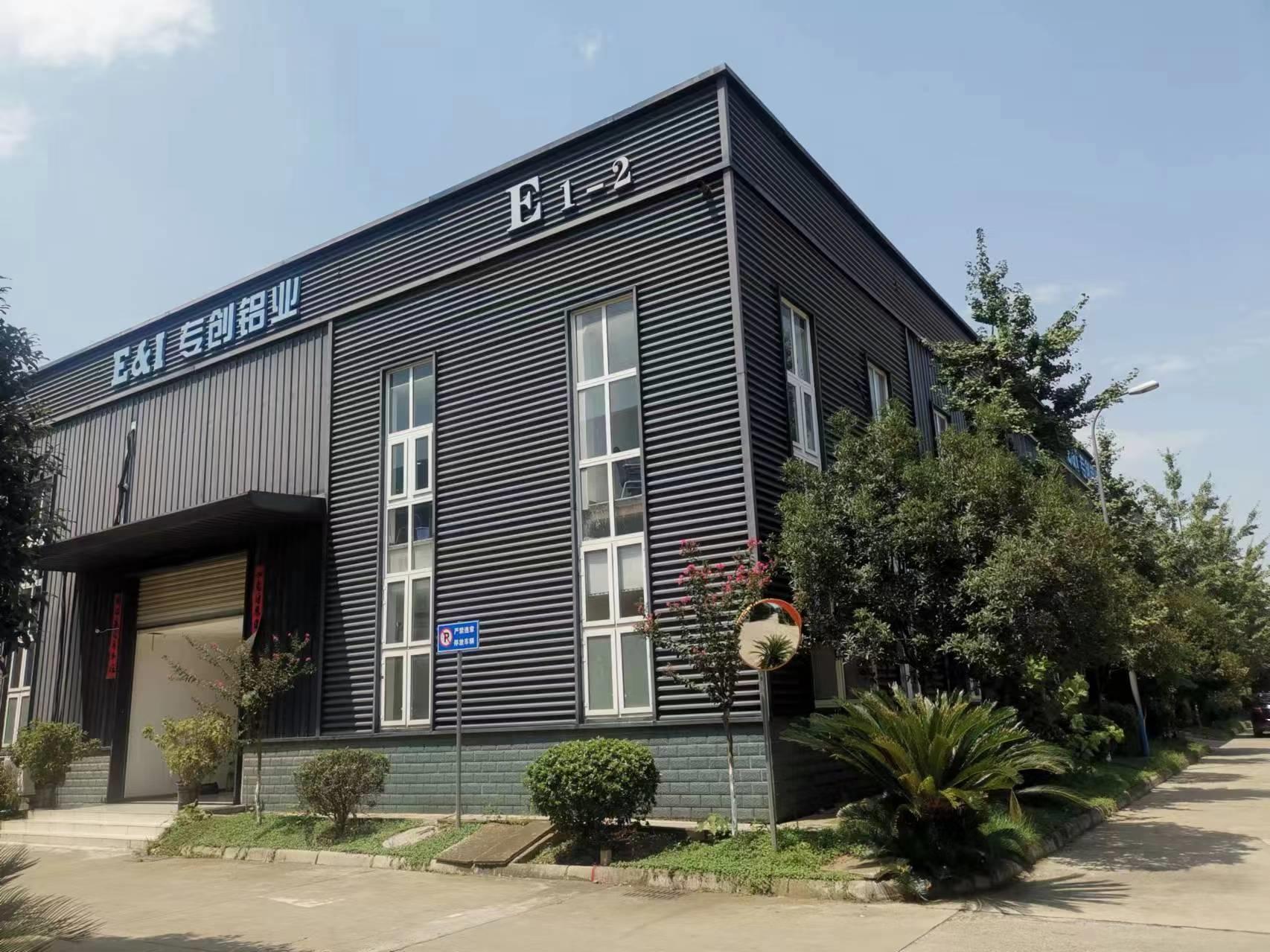
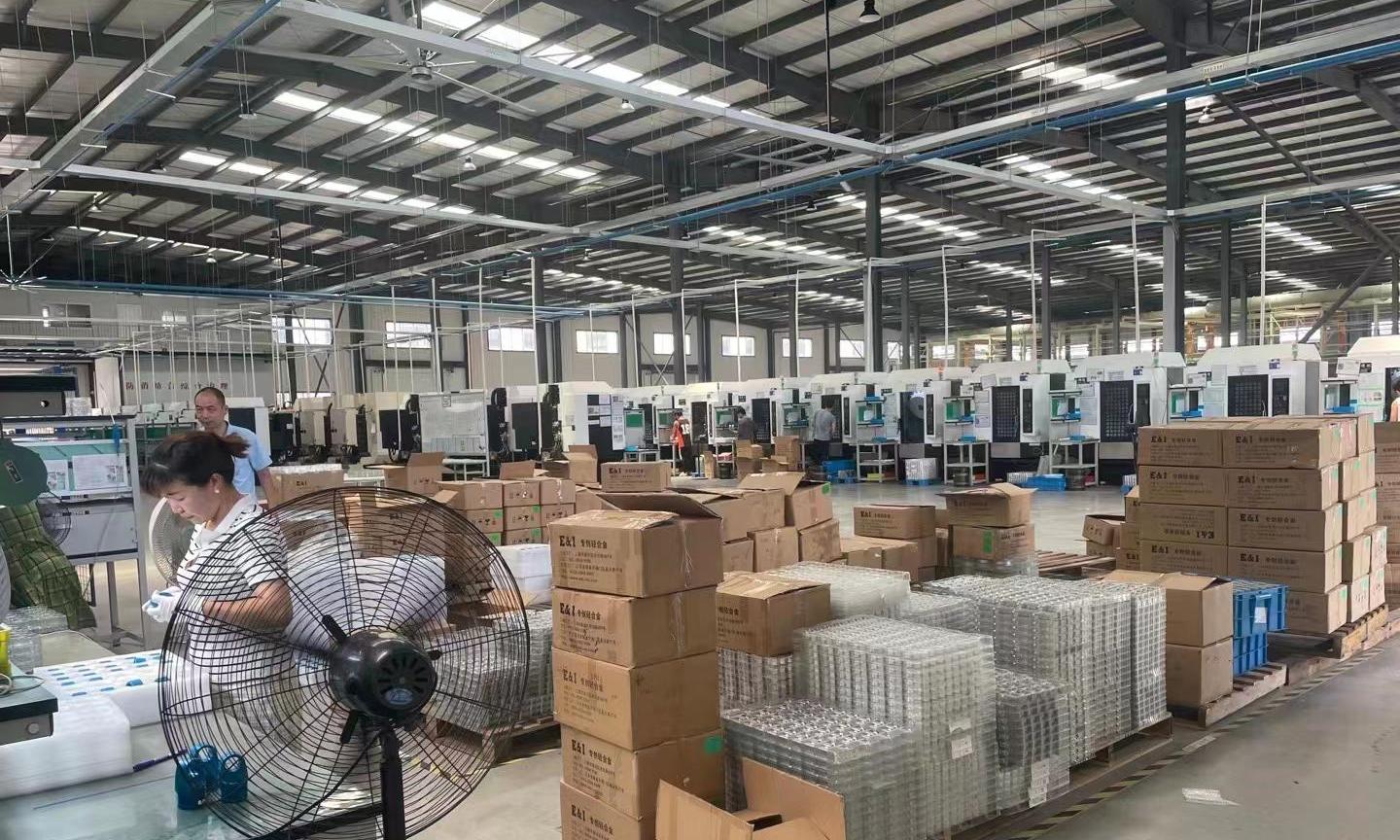
Integrating the R&D expertise of the National Institute of Nonferrous Metals with high-capacity automated production lines.
Chengdu E&I Aluminum Industry Co., Ltd. operates at the intersection of material science research and advanced manufacturing. By collaborating closely with the National Institute of Nonferrous Metals—home to the leading aluminum alloy technology research and development teams in China's light alloy industry—E&I delivers high-difficulty, high-precision extrusion profiles that meet stringent industrial demands.
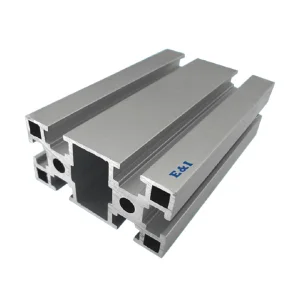
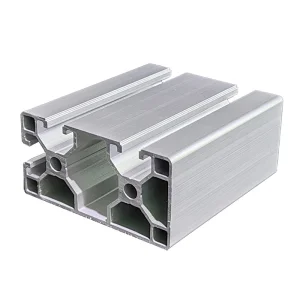
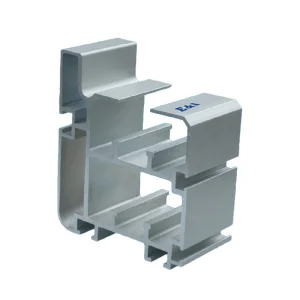
This partnership provides a direct channel for incorporating advanced materials research into commercial production. Whether optimizing structural profiles for heavy-duty load frames (such as the ENI-8-40120) or manufacturing specialized anti-collision fence posts (ENI-6-6630R), Chengdu E&I combines advanced metallurgical theory with robust industrial execution.
Our manufacturing facility features automated extrusion presses, precision CNC machining centers, and automated anodizing and powder coating lines. These capabilities support the complete production lifecycle—from initial engineering design to structural component assembly.
Located in the industrial hub of Chengdu, E&I utilizes domestic raw material supplies and integrated logistics networks to maintain consistent delivery schedules, helping global clients mitigate logistics risks.
By translating theoretical research from the National Institute of Nonferrous Metals into production floor guidelines, E&I creates custom profiles designed for high-stress applications.
Our quality assurance program tracks each production run from raw alloy composition testing to dimensional checks using optical coordinate measuring machines (CMMs).
From automotive assembly floors to cleanroom frameworks: analyzing real-world deployments of specialized profiles.
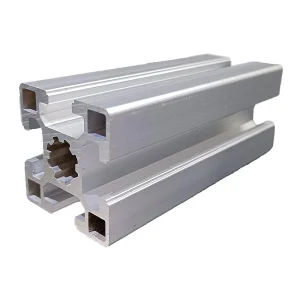
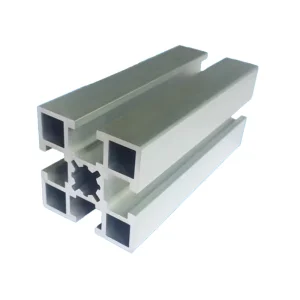
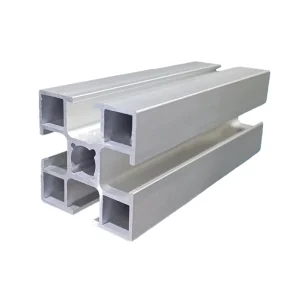
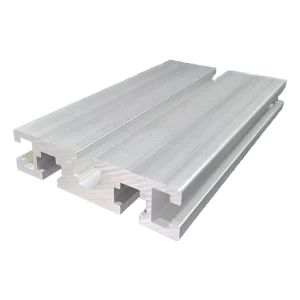
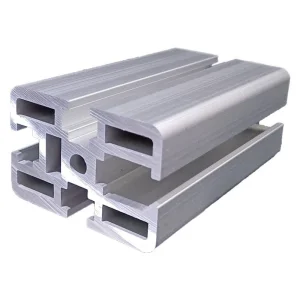
Automated assembly lines require lightweight structures to support high-speed robotic operations. Custom T-slot profiles (such as the E&I-10-4545 and ENI-8-4080E-T) provide modular mounting points for sensors, linear actuators, and structural bracing, allowing for rapid floor reconfiguration without field welding.
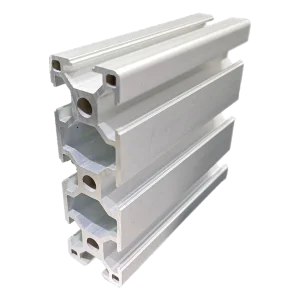
For heavy industrial enclosures, material transport gantries, and cleanroom frameworks, the ENI-8-40120 and ENI-10-4040H profiles offer the high moment of inertia needed to withstand significant static and dynamic loads. These profiles resist deflection under load, protecting sensitive optical or mechanical instrumentation.
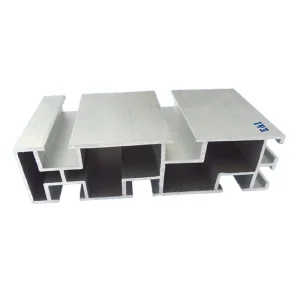
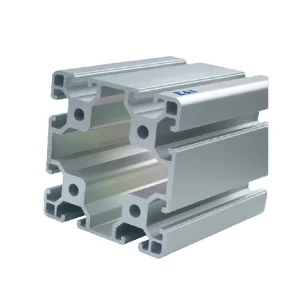
Modern industrial safety codes (ISO 14120) require physical barriers to isolate hazardous machinery. The ENI-8-8080 profile and specialized arc-shaped profiles (such as the ENI-6-6630R) are designed to construct anti-collision guardrails and machine fences, protecting operators from mechanical impact hazards.
In architectural and outdoor applications, such as solar photovoltaic mounting structures and cleanroom frames, the primary design challenge is environmental exposure. E&I's anodized industrial profiles undergo controlled electrolytic processes to create a consistent, high-density oxide layer. This surface treatment provides protection against ultraviolet radiation, thermal shock, and chemical exposure in industrial environments, reducing lifecycle maintenance costs.
Detailed answers to technical questions concerning metallurgical properties, tolerances, and design constraints.
High-strength profiles, specialized automation components, and modular framework assemblies.