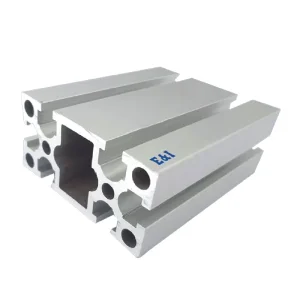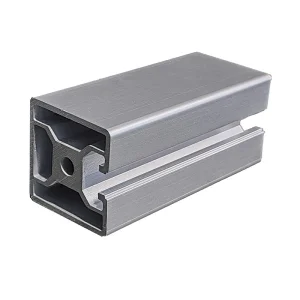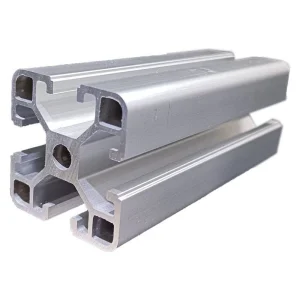
Discover our primary lineup of modular extrusion profiles designed for mechanical, structural, and cleanroom applications.
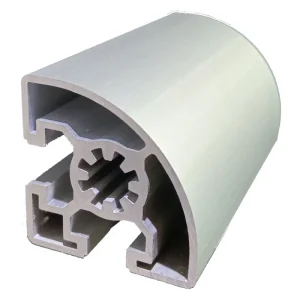
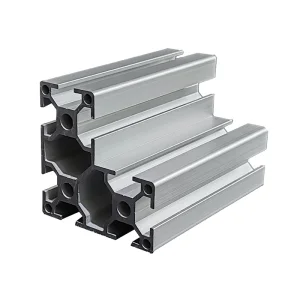
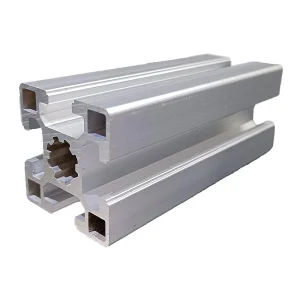
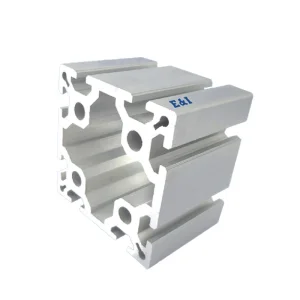
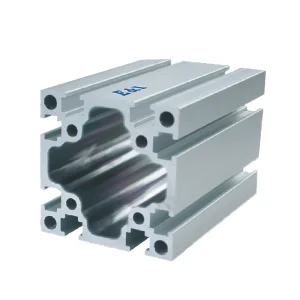
At Chengdu E&I Aluminum Industry Co., Ltd., we operate on a core philosophy: "people-oriented, quality value, technological innovation, and win-win cooperation". This drives our daily operations, directing our advanced metallurgical research toward manufacturing complex, high-precision, and demand-heavy aluminum alloy profiles.
In deep collaboration with the National Institute of Nonferrous Metals—China's preeminent lightweight alloy authority—our specialized R&D team provides complete solutions across extruded profiles, castings, and structural forgings. Our clients include Fortune 500 OEMs, automotive tier-1 suppliers, global aerospace corporations, and automation system integrators who trust us for structural reliability and precision tolerances.
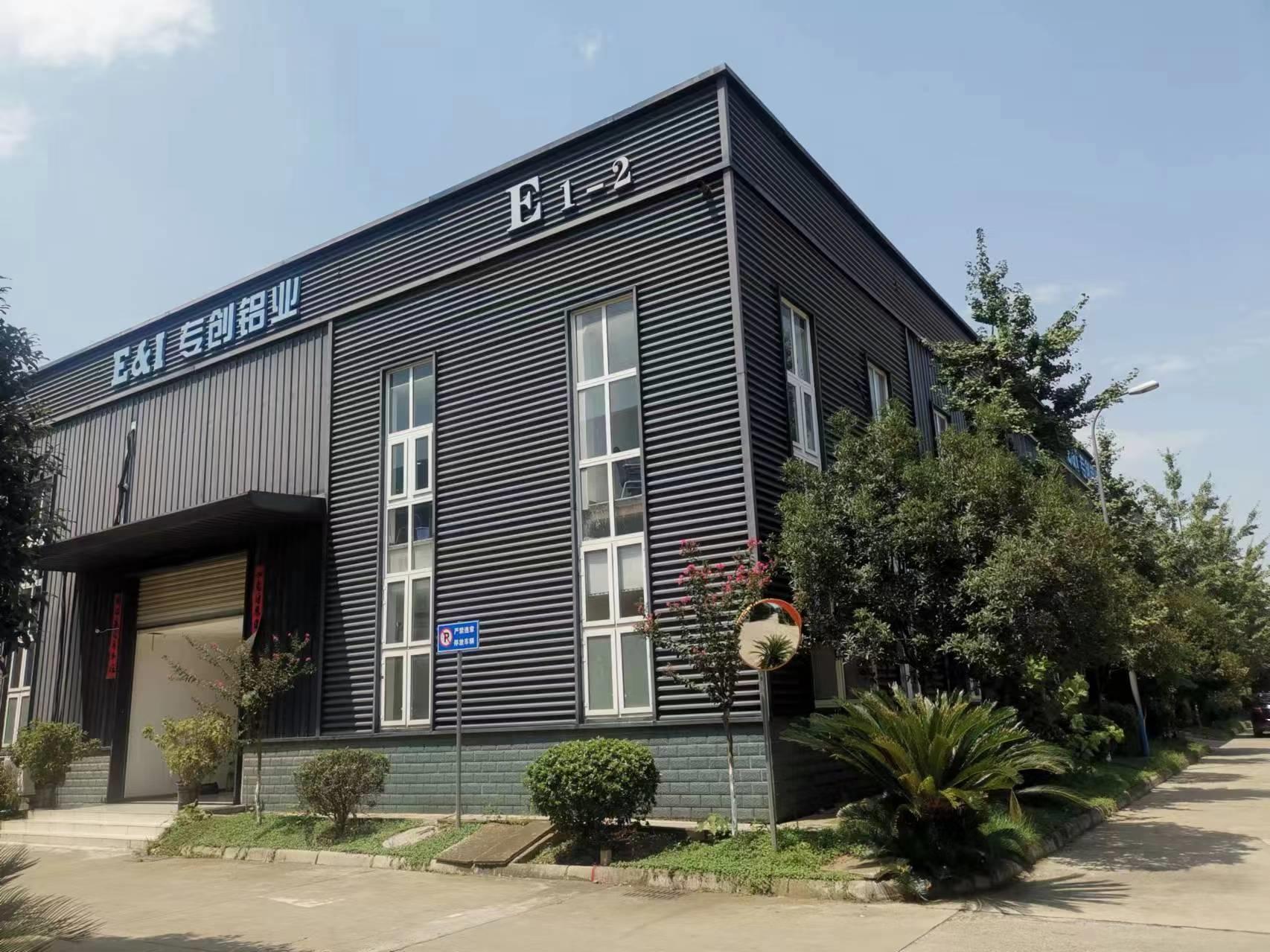
Analyzing the macro-economic and technical shift that makes Chinese aluminum processing factories the global standard for custom manufacturing.
Extrusion centers established or updated under the 2020 industry standard leverage multi-stage cooling and precision billet heating. This guarantees an even grain structure in the 6000-series alloys, preventing shear cracking and reducing tool wear during CNC finishing.
Modern electrochemical lines deliver uniform oxide layer deposition (10-15 microns average thickness). This ensures unmatched corrosion protection in harsh marine, chemical, or automotive cleanroom environments.
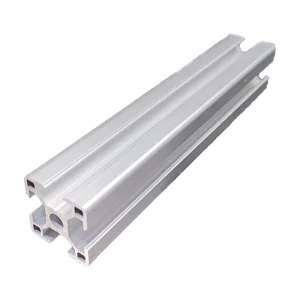
Standardized T-slot and V-slot geometries allow quick, bolt-together assembly without welding. This modular design lowers deployment costs, simplifies frame maintenance, and makes fast design alterations possible.
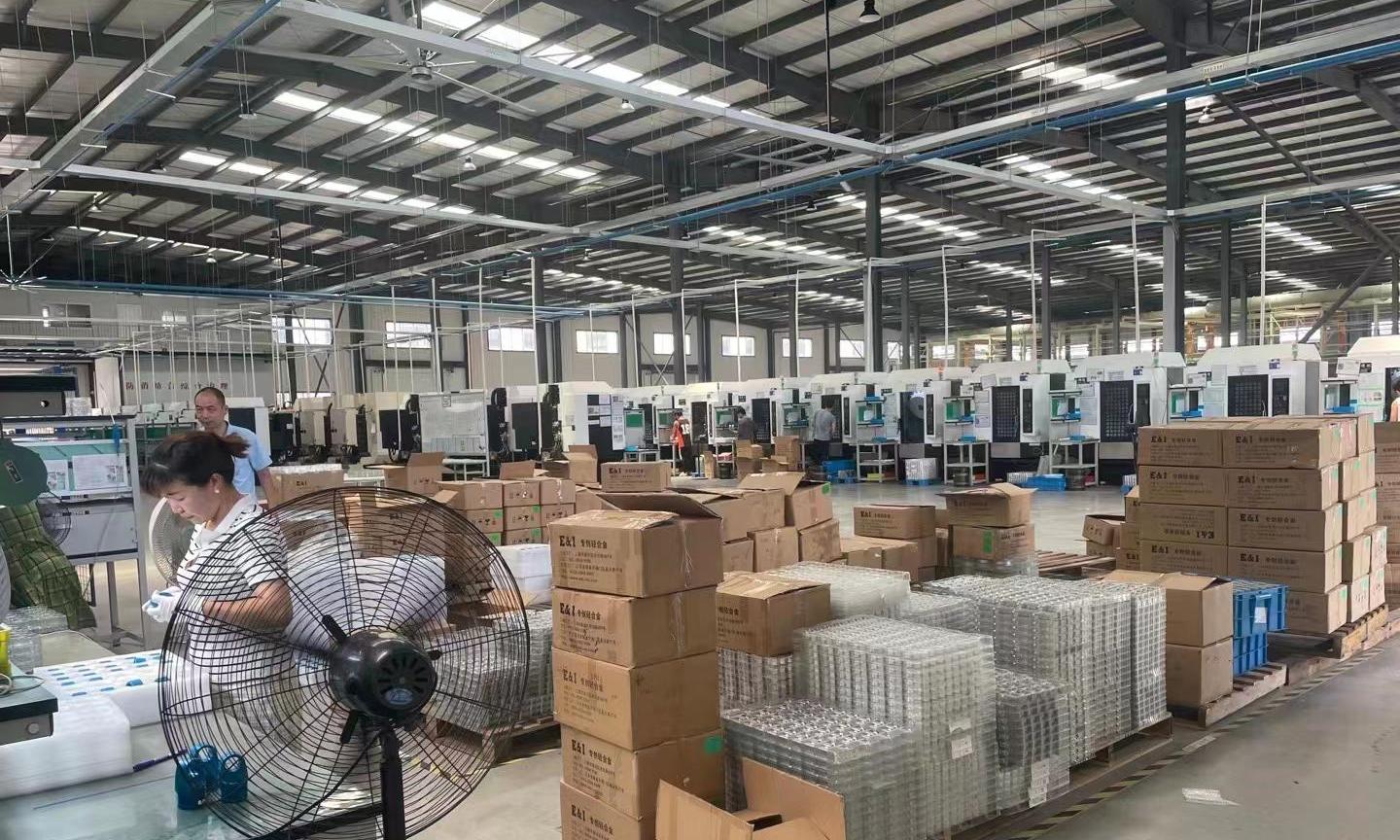
The performance specifications of E&I profiles make them ideal for multiple heavy-industry and high-precision applications:
Using models like E&I-10-4545RQ and ENI-10-4040H, factory engineers design rigid, vibration-resistant machinery frames, safety enclosures, and robotic mounting plates.
Outdoor applications demand high weather resistance. Anodized E&I-8-4080K structures provide wind-load structural stability and resist corrosion under prolonged UV and moisture exposure.
Using ultra-smooth, anodized profiles like ENI-8-4080A guarantees zero outgassing and prevents dust buildup, satisfying ISO cleanroom specifications.
How our corporate culture directly translates into reliable procurement and engineering support for our global partners.
We view our employees as our primary strength, offering structured career growth and competitive pay. This builds a stable, highly skilled production team that consistently maintains quality standards.
We do not cut corners. Every structural profile undergoes rigorous dimensional checks, surface finish assessment, and alloy verification before leaving our facility.
Continuous investment in alloy research keeps us competitive. This innovation ensures customers receive top-tier, high-value components designed for modern industrial challenges.
We build long-term relationships with clients, logistics partners, and material providers. This collaboration ensures stable pricing and delivery schedules even during supply chain challenges.
Procuring aluminum extrusions requires balancing structural requirements, cost, and finishing specifications. Global purchasing managers look closely at alloy grades, mechanical properties, and precision tolerances:
Most structural framing profiles use Alloy 6063. This alloy responds well to heat treatment, displays excellent corrosion resistance, and allows for clean anodized finishes. For heavy structures with high static loads, Alloy 6061 or high-strength 6063-T6 variants are preferred due to their higher yield strengths.
Anodizing converts the aluminum surface into a durable, corrosion-resistant anodic oxide layer. For indoor automated lines, a standard 10-micron layer is sufficient. Outdoor installations or high-moisture production floors require a thicker layer (up to 20 microns) or powder-coating to prevent pitting corrosion.
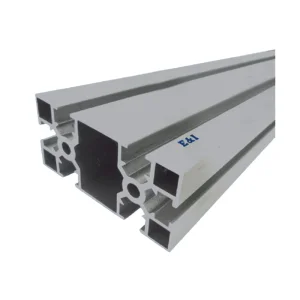
When selecting profiles for heavy machinery frames, structural engineers must calculate the Moment of Inertia (Ix, Iy) and cross-sectional area to confirm the profile can handle dynamic loads without bending. Products such as the E&I-10-100100B provide the high moment of inertia needed to replace welded structural steel, reducing overall assembly weight.
Explore our selection of anodized, high-load aluminum profiles designed for industrial assembly and machinery protection.
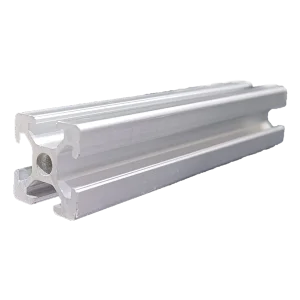
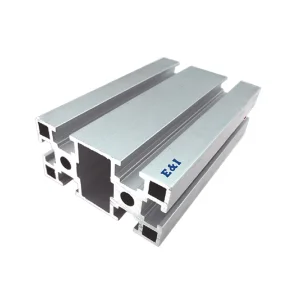
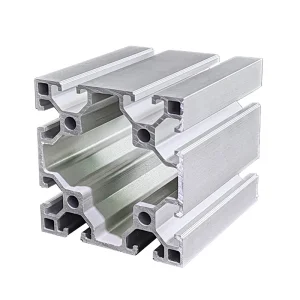
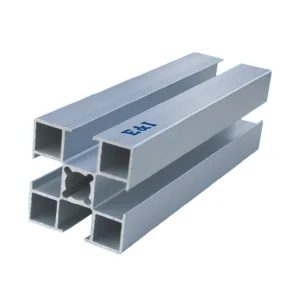
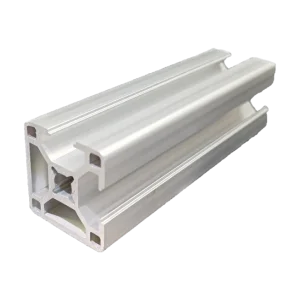
Answering structural design, metallurgical specification, and procurement workflow questions for sourcing engineers.
Our standard profiles are extruded using high-precision 6063-T5 or 6063-T6 aluminum alloys. 6063 contains trace additions of Silicon (0.2–0.6% by weight) and Magnesium (0.45–0.9% by weight) as its primary alloying elements. This chemistry makes the alloy highly responsive to heat treatment while maintaining excellent surface finish properties for anodization.
We follow national high-precision standard GB/T 5237.1. Our tool and die design process uses CAD/CAM modeling to minimize metal flow variations during extrusion. Precision laser scanners inspect critical cross-sectional dimensions during production, ensuring slot widths (such as 6mm, 8mm, and 10mm) fit standard sliding nuts and assembly fasteners without manual adjustment.
Our standard anodizing process delivers a clear oxide film thickness of 10 to 15 microns. This thickness creates a barrier layer that shields the aluminum substrate from atmospheric oxygen, moisture, and chemical exposure. For challenging applications like chemical processing or marine environments, we can apply an advanced hard-anodized layer up to 25 microns thick.
Yes, our heavy-duty profiles—such as the E&I-10-100100B and ENI-8-8080A—are designed with high wall thicknesses to replace steel frames. Using aluminum profiles reduces overall weight by up to 50%, eliminates the need for welding and painting, simplifies design changes, and cuts assembly costs.
This partnership gives our R&D team access to advanced metallurgical research, professional mechanical testing equipment, and advanced alloy development tools. This helps us design and produce complex, custom extrusions that meet strict performance requirements for automotive components, aerospace structures, and medical equipment.
Our modular connections use spring-loaded, self-locking fasteners and t-bolts. When torqued correctly, these fasteners apply consistent tension within the profile slot. This constant clamping force resists vibration loosening, maintaining structural integrity on high-speed automation lines and robotic platforms.