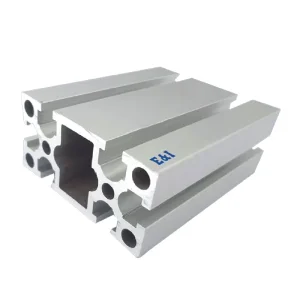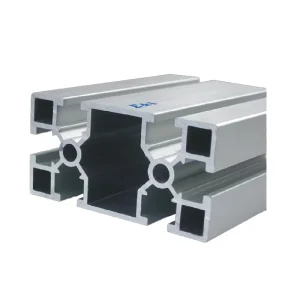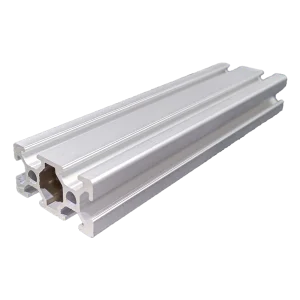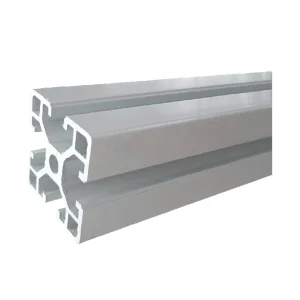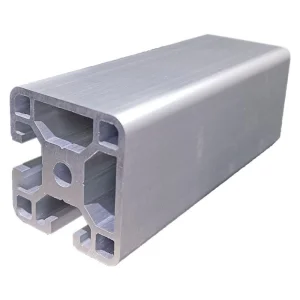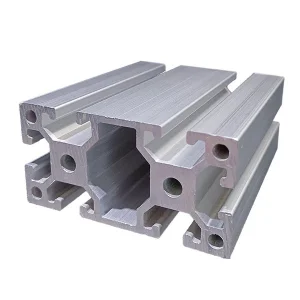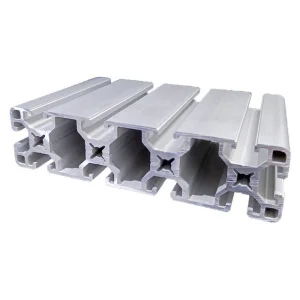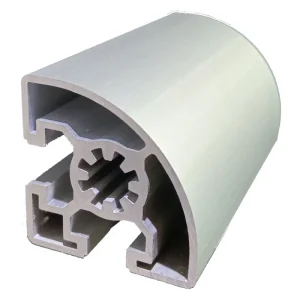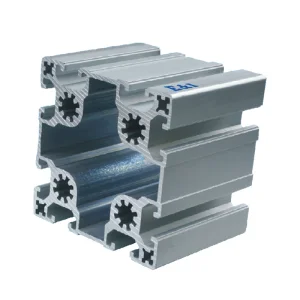
High-durability anodized profiles engineered for automated assembly lines, cleanrooms, and robotic guard structures.
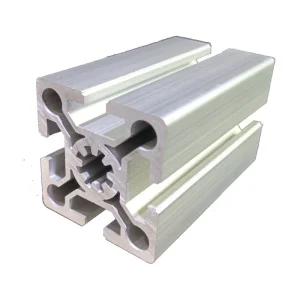
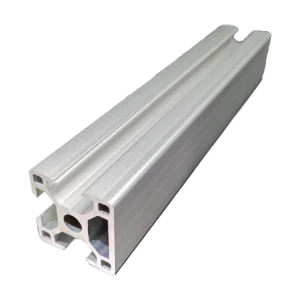
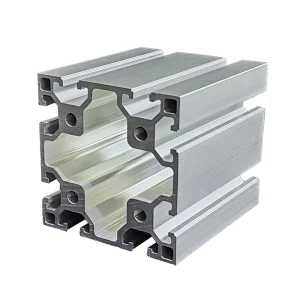
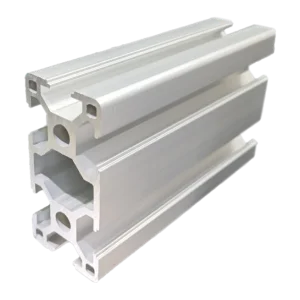
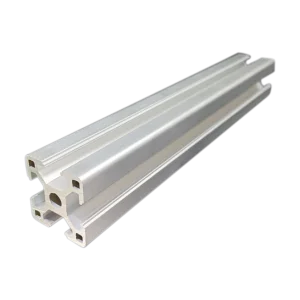
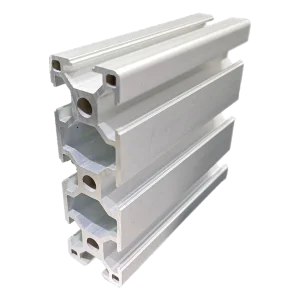
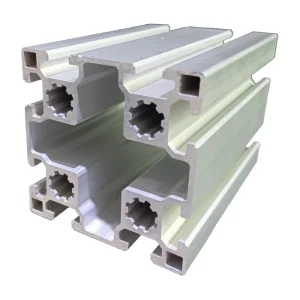
In the contemporary industrial landscape, the paradigm of mechanical design is undergoing a profound transition. The historical dominance of welded structural steel is systematically giving way to high-performance, modular structural aluminium profile systems. Driven by the mandates of Industry 4.0—specifically agility, rapid deployment, and lifecycle sustainability—global manufacturing enterprises are prioritizing materials that offer optimized strength-to-weight ratios without sacrificing geometric accuracy.
As industrial automation, cleanrooms, and robotic systems expand globally, the demand for precision-engineered components has escalated. High-performance aluminium extrusions (such as the 6000-series alloys) provide the structural foundation for modern factory ecosystems. By utilizing advanced T-slot modular designs, engineers can bypass traditional processing methods such as welding, grinding, and painting. This directly minimizes manufacturing lead times, reduces manual fabrication defects, and enables immediate on-site modification.
"The flexibility of T-slot and structural modular profile technology has become a cornerstone of rapid-prototyping and lean production layout design. Sourcing components with verified mechanical properties, strict dimensional tolerances, and stable anodization finishes is critical for global OEMs aiming to reduce Total Cost of Ownership (TCO)."
Procurement departments within multinational automotive, aerospace, and semiconductor corporations face distinct challenges when sourcing structural profiles. Key considerations include:
China’s industrial sector has transitioned from large-scale low-cost manufacturing to an integrated ecosystem governed by smart automation, known as China Factory 4.0. At the core of this transition is unprecedented supply chain integration. The consolidation of smelting, tooling design, multi-axis extrusion press technologies, and automated surface treatment in localized regions creates a resilient manufacturing infrastructure.
For international procurement entities, this translates to reduced lead times, dynamic engineering support, and competitive economies of scale. When local engineering capabilities are paired with strategic research initiatives—such as collaborations with prestigious metallurgy institutes—the output matches or exceeds traditional European and North American engineering standards. This is the background against which Chengdu E&I Aluminum Industry Co., Ltd. has established its operational model.
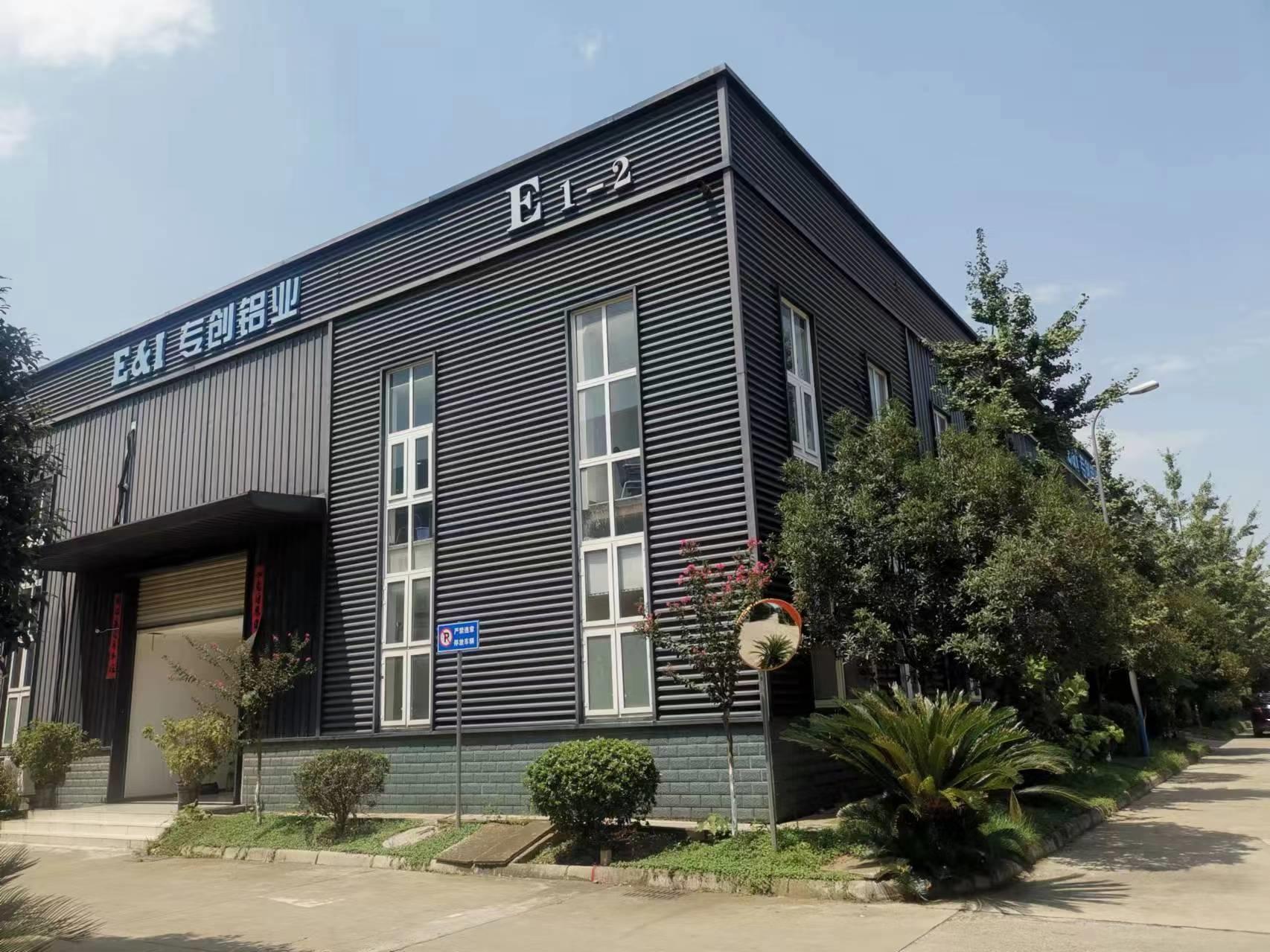
In line with the philosophy of "people-oriented, quality value, technological innovation, and win-win cooperation", Chengdu E&I Aluminum Industry Co., Ltd. focuses on the research, development, and manufacturing of complex, high-precision aluminium alloy products.
The company leverages structural partnerships with The National Institute of Nonferrous Metals, drawing upon a professional alloy technology R&D team. This synergy allows the enterprise to provide comprehensive industrial solutions across profiles, castings, and forgings. By utilizing advanced production and testing systems, the company guarantees structural integrity, serving global fortune 500 enterprises in the automotive and aviation sectors.
Below is the technical matrix defining the mechanical thresholds and composition controls applied to our structural profiles, assuring reliability in heavy load-bearing frames and automated lines:
| Alloy Designation | Tensile Strength (Rm) | Yield Strength (Rp0.2) | Elongation (A50mm) | Typical Hardness (HB) | Anodic Coating Thickness |
|---|---|---|---|---|---|
| 6063-T5 (Standard Modular) | ≥ 160 MPa | ≥ 110 MPa | ≥ 8% | ≥ 60 | 10 - 15 μm |
| 6063-T6 (Medium Duty) | ≥ 215 MPa | ≥ 170 MPa | ≥ 8% | ≥ 75 | 12 - 18 μm |
| 6061-T6 (Heavy Structural) | ≥ 260 MPa | ≥ 240 MPa | ≥ 10% | ≥ 95 | 15 - 25 μm |
Aluminium profiles are structural building blocks that require careful design for specific engineering conditions. Standardized applications include:
Modular frames (e.g. ENI-8-3060) utilizing clean, anodized finishes that eliminate dust accumulation and degassing inside cleanrooms.
Using heavy-duty profiles like E&I-8-5050L for protective screens, arc welding cells, and machine enclosures.
Constructed using high-moment inertia profiles (like ENI-10-8080H or E&I-10-9090W) to sustain large mechanical loads.
In high-precision electronics manufacturing and advanced automotive assembly, environmental isolation is crucial. Traditional steel frames generate micro-particles through paint flaking and oxidation over time.
Using the ENI-8-3060 anodized modular clean shed profile, engineers can build a light-weight structural frame integrated with polycarbonate sheets. The anodization process provides surface hardness, making the structure inert to dust adhesion. The structural system is designed with integrated T-slot channels, allowing wires, pneumatic tubes, and automation brackets to run internally, maintaining cleanroom integrity.
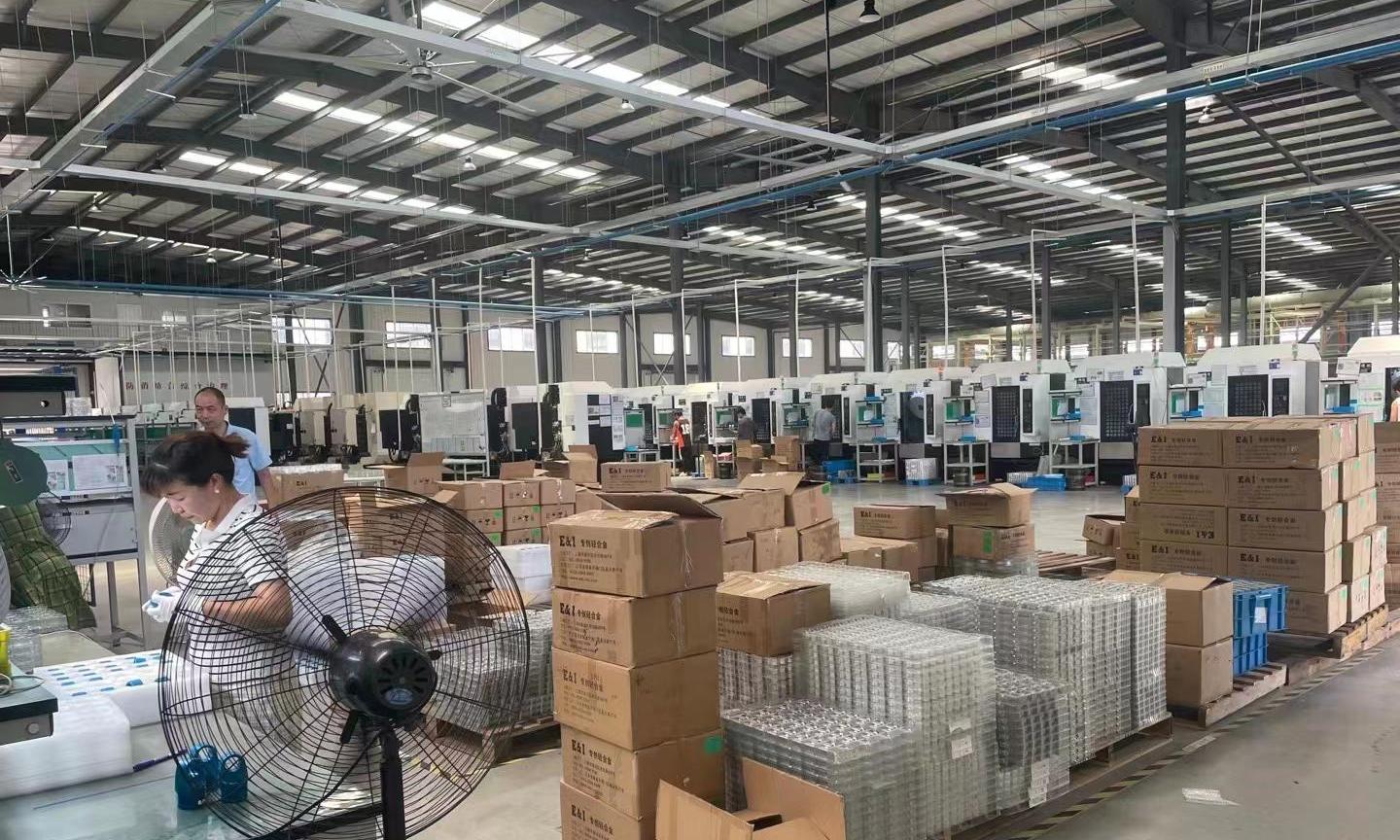
Chengdu E&I Aluminum Industry Co., Ltd. operates a modern factory facility covering extrusion, automated anodizing, powder coating, and specialized CNC machining. The company delivers a comprehensive range of structural frames, automated workbenches, protective safety enclosures, solar supports, transport conveyors, and material storage racks.
All products are manufactured to high-precision tolerance levels, ensuring corrosion resistance, ease of assembly, vibration dampening, and high joint strength.
We strive to establish benchmark standards for quality and integrity in China's industrial aluminium extrusion market:
Fostering engineering talent, technical skill, and a collaborative workspace.
Adhering to strict testing standards to deliver structural reliability.
Integrating technical research with nonferrous metal institutes to optimize alloys.
Building long-term partnerships with global OEMs, integrators, and distributors.
Engineered for heavy-duty load-bearing frames, clean room modular structures, and automated logistics systems.