EI 20mm Aluminium Extrusion Factories & Products

Precision Industrial Framing Systems for High-Performance Automation, Modular Robotics, and Heavy-Duty Operations

Macro Industrial Solutions: The 20mm Extrusion Specification

In modern manufacturing, lightweight and high-rigidity components act as the building blocks for digital automation and intelligent assembly lines.

Precision Engineering with 20mm Profiles

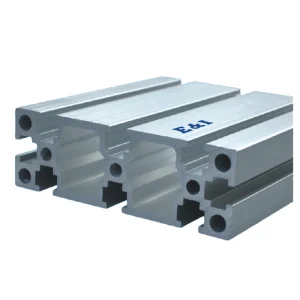
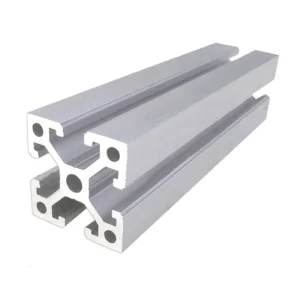
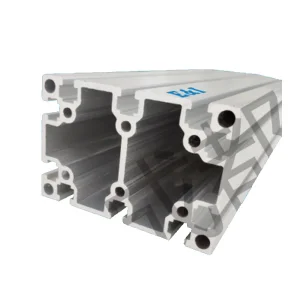
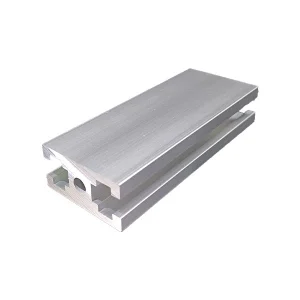
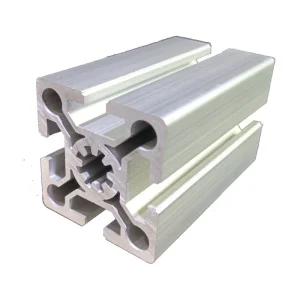
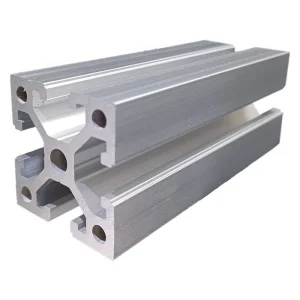
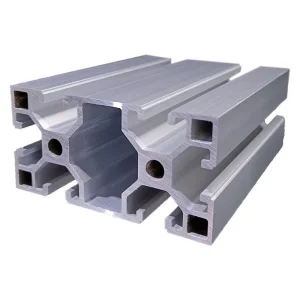
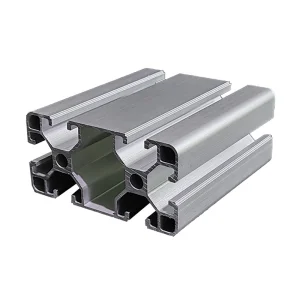
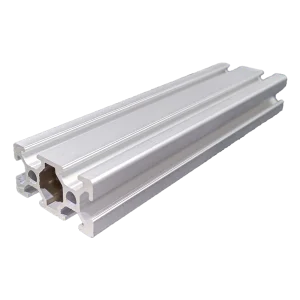
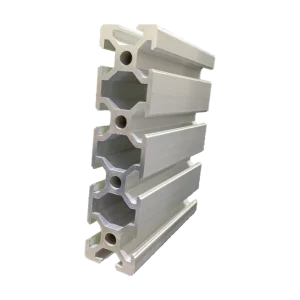
The 20mm aluminum extrusion series (including 2020, 2040, and 2080 profiles) represents a standard specification for lightweight structural systems. Utilized widely in 3D printers, CNC routers, robotic arms, sensor mountings, and modular electronic laboratory frames, this series bridges the gap between precision tooling and heavy-duty structural capabilities.

Leveraging 6063-T5 and T6-grade aluminum alloys, our 20mm products provide superior yield strength and outstanding corrosion resistance. The microstructural density achieved during our high-pressure extrusion process prevents material fatigue under vibrational loads, which is a key requirement for automation lines operating 24/7.

"Our 20mm extrusion technology focuses on structural efficiency—maximizing the section modulus (W) while minimizing linear weight, enabling engineering teams to build light, rigid, and durable structures."

E&I Aluminum Extrusion Factory Floor Production

Alloy Microstructure Optimization

Utilizing high-purity aluminum alloys optimized with controlled amounts of magnesium and silicon (Mg-Si phases) to guarantee mechanical properties that exceed industrial GB/T 5237 standards.

Advanced Anodizing Operations

Our automated chemical anodizing treatment produces a uniform protective layer (thickness: 10μm to 15μm) that is highly resistant to industrial chemicals and physical scratching.

Rigorous Quality Verification

Developed in close cooperation with China's National Institute of Nonferrous Metals, our products undergo regular mechanical tensile tests and dimensional checks prior to shipment.

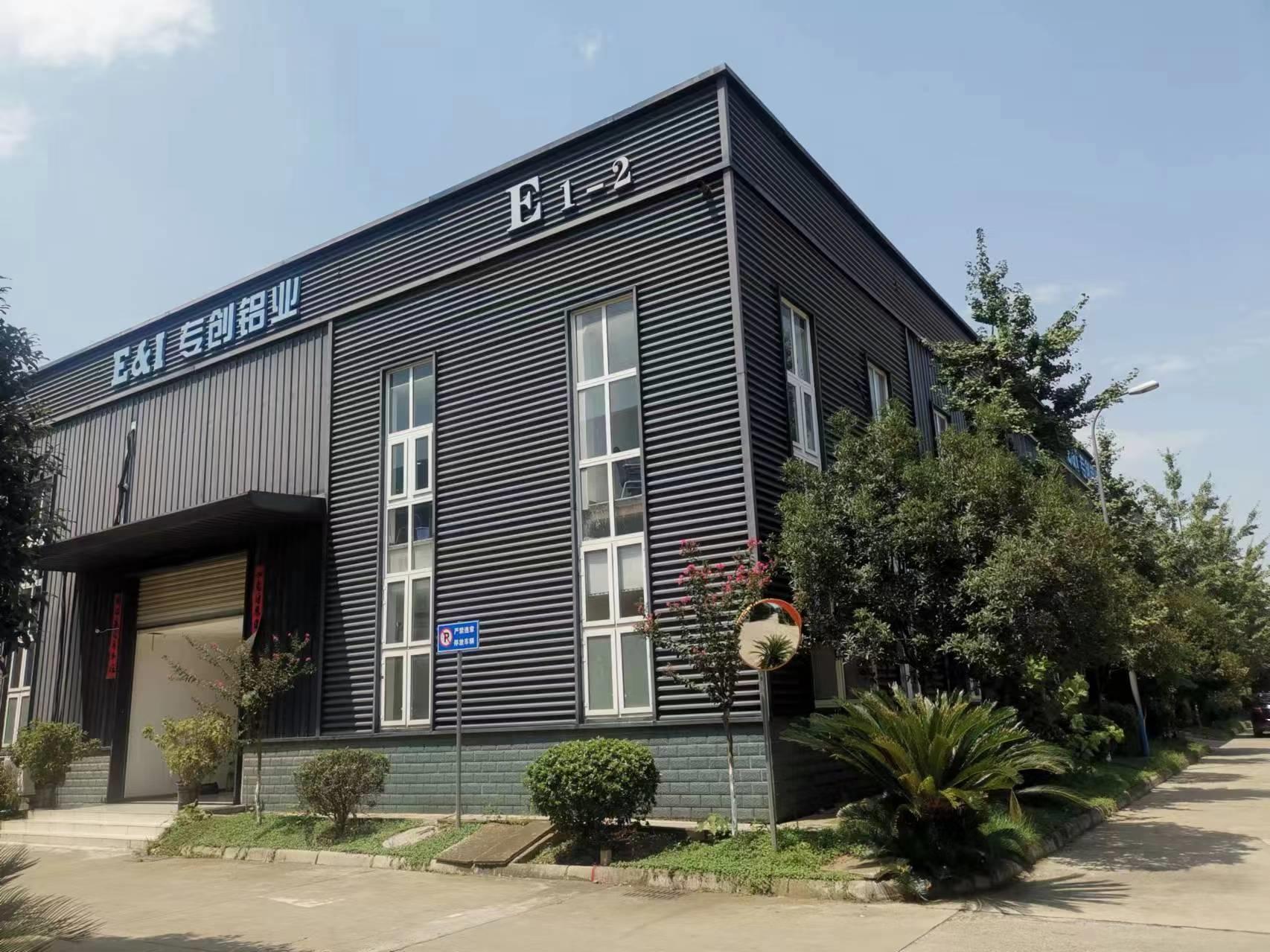
Chengdu E&I Aluminum Industry Co., Ltd.

A leading technical manufacturer specializing in highly complex, high-precision, and heavy-duty structural aluminum profiles.

Foundational Values: The Engine of Our Growth

At Chengdu E&I Aluminum Industry Co., Ltd., our core operations are driven by a commitment to four main principles: People-oriented focus, Quality-driven value, Continuous technological innovation, and Win-win cooperation. These concepts guide us in delivering highly reliable industrial aluminum alloys that address the complex structural challenges faced by international industrial engineering teams.

Collaborating with premier domestic institutions, including the National Institute of Nonferrous Metals, our dedicated R&D engineering team designs complex cross-sections optimized for specific industrial applications. Whether manufacturing profiles, precision aluminum castings, or forged alloys, we maintain strict quality control throughout our production processes.
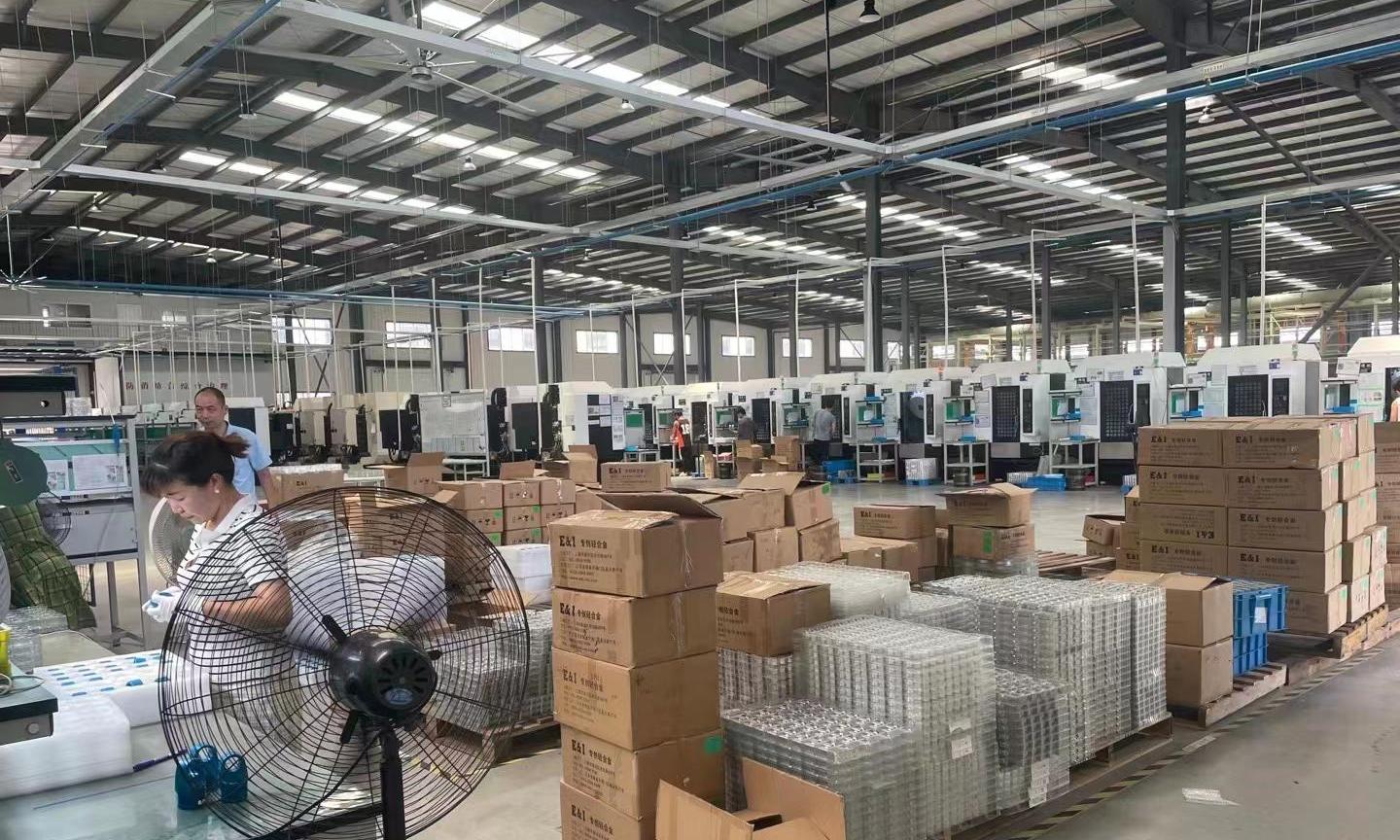
E&I Aluminum Extrusion Equipment

Custom Technical Configurations

We run multiple highly automated profile extrusion systems alongside integrated anodizing and electrostatic powder coating lines. This enables us to provide a comprehensive structural catalog, including frame connectors, automated workstations, machinery safety fences, solar mounts, cleanroom structures, and heavy assembly lines.

By ensuring all extrusion designs comply with high-precision manufacturing tolerances, we deliver clean finishes, consistent structural shapes, and high connection strengths. Fasteners and accessories assemble cleanly, maintaining structural integrity even when exposed to severe operation vibrations.

Our Strategic Path and Corporate Focus

We are committed to establishing E&I as a top three technical innovator within China’s specialized aluminum extrusion sector. We aim to continually improve our manufacturing processes to support the business growth of our global clients, distribution partners, and employees.

People-Oriented Support

We treat our employees and engineers as our most valuable resource, investing in safety, technical training, and competitive compensation packages to ensure manufacturing quality remains high.

Quality-Driven Engineering

Every profile is produced to meet exact structural designs, offering our clients reliable operational lifespans and reduced maintenance requirements.

Technological Innovation

By investing in new die tooling designs, micro-alloy modifications, and advanced heat treatment cycles, we ensure our structural profiles deliver top-tier mechanical performance.
500+
Global Enterprise Partners
12,000T
Annual Extrusion Capacity
100%
Non-Ferrous Institute Quality Approved
30+
Countries Exported To

Global Market Applications & Compliance Standards

Providing reliable industrial solutions tailored to meet global supply chain requirements and complex environmental compliance standards.

Meeting Global Automation Demands

Modern manufacturing facilities rely heavily on modular aluminum frames to dynamically adapt to shifting production runs. Our 20mm profile systems play a vital role in these environments. Offering a balance of low weight and structural stability, they are easily integrated into robotic assembly systems, safety barriers, pick-and-place lines, and cleanroom enclosures.

We export to leading manufacturing hubs across Europe, North America, and Southeast Asia. To ensure ease of installation for international projects, our profiles are designed to integrate with standard T-nuts, angle brackets, and fasteners globally.

Regulatory Compliance & Materials Verification

To maintain high reliability, E&I products strictly adhere to standard structural specifications and environmental regulations:

  • EU RoHS & REACH Compliance: All profiles are manufactured without hazardous substances, making them safe for consumer products and precision medical cleanrooms.
  • Precision Machining Standards: Our CNC cut-to-length profiles meet ISO 2768-m (Medium) dimensional tolerances, ensuring predictable fit-up on the assembly floor.
  • Anodized Surface Protection: Treated surfaces pass standard salt-spray corrosion tests, making them ideal for high-humidity coastal factories and marine environments.

Typical Structural Applications

Cleanrooms & Laboratories

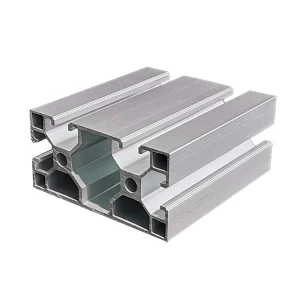
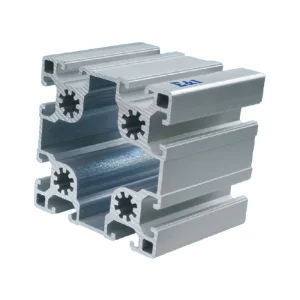
Our anodized light profiles (such as the ENI-6-2040 and ENI-6-6090) feature smooth, easy-to-clean surfaces. They do not outgas or collect dust, meeting ISO Class 5 cleanroom standards.

Robotic Integration & Guarding

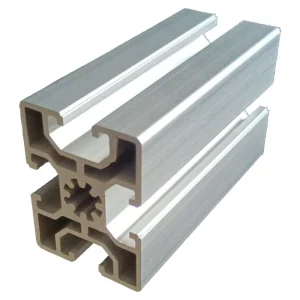
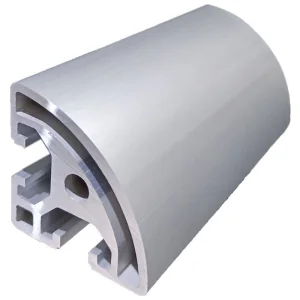
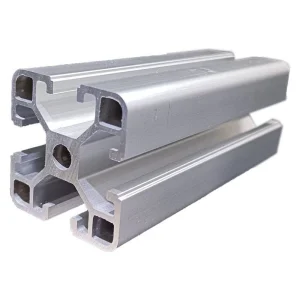
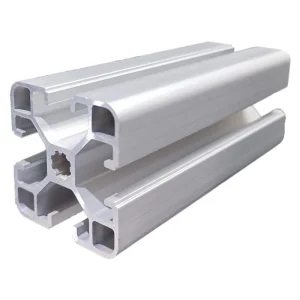
Our T-slot and quarter-circle profiles (E&I-8-4040R) form the structure for automation enclosures, safeguarding automated machinery and workers in high-cycle production zones.

Renewable Energy Rigs

High corrosion resistance and light structural weight make these profiles excellent mounting bases for automated solar tracking panels and weather monitoring systems.

Technical Roadmap: Innovations in Extrusion Systems

As manufacturing trends shift towards smart factories and decarbonization, E&I is aligning its technical roadmap with these emerging industrial priorities.

1. Low-Carbon Recycling and High-Strength Alloys

In response to global sustainability goals, we are refining our extrusion feedstocks to include post-consumer recycled aluminum, without sacrificing the mechanical properties of our alloys. By optimizing alloy chemistry at the billet casting stage, we ensure these green profiles provide the same yield and tensile strengths as virgin-extruded profiles.

2. Ultra-Precise Thin-Wall Extrusions

The rise of aerospace robotics and wearable tech demands lighter structures. Our current die research centers on thin-walled extrusions (thicknesses <1.0mm) that retain high bending and torsional resistance. These designs will reduce structural weight for mobile applications, such as drone housings and medical instrumentation carts.

3. Modular Smart Profiles

We are developing profiles with integrated internal wiring channels and custom mounting grooves. This allows routing of low-voltage cabling and installation of smart IoT sensors directly within the extrusion framework, helping engineering teams monitor structural loads and vibrations in real time.

Technical Q&A: Extrusion Mechanics & Installation

Answers to frequent engineering and design queries regarding our modular 20mm and related industrial aluminum profiles.

What is the weight-bearing capacity of the 20mm extrusion profile series?
The load capacity depends on the span length and load distribution (point load vs. uniform load). For a typical 2020 profile spanning 500mm with a center point load, the maximum recommended load is approximately 45kg to maintain deflections within acceptable industrial limits. We recommend using our 2040 (20mm x 40mm) or 4040 series for higher load requirements.
What is the difference between a T-slot and a V-slot extrusion?
T-slot profiles are designed primarily for static structural frames, enclosing machinery, and mounting brackets, allowing secure anchoring via standard T-nuts. V-slot profiles feature slightly angled slot edges, allowing linear bearings and wheel assemblies to roll directly along the profile, making them ideal for linear motion tracks.
How does the anodized layer protect against harsh industrial environments?
Anodizing is an electrochemical process that converts the aluminum surface into a decorative, durable, and corrosion-resistant aluminum oxide finish. This hard oxide layer prevents galvanic oxidation when contacting other metals and resists scratching, keeping profiles clean in demanding manufacturing environments.
Can E&I provide custom cut-to-length and precision CNC drilling services?
Yes, we provide full post-extrusion processing. Our facilities are equipped with CNC cutting saws, drilling equipment, and thread tapping machines, allowing us to supply ready-to-assemble kit components directly to your assembly floor.
What quality certifications do E&I products carry?
Our manufacturing processes follow ISO 9001:2015 standards, and our raw materials comply with GB/T 5237 requirements. Testing is backed by China's National Institute of Nonferrous Metals, verifying mechanical properties, wall thickness tolerances, and chemical composition.