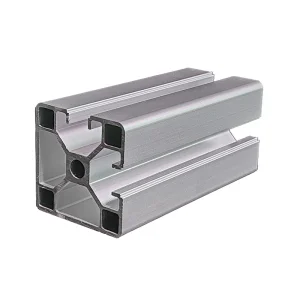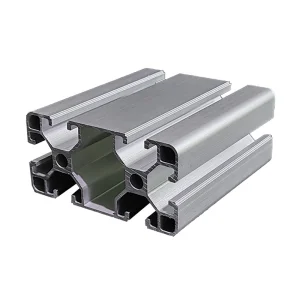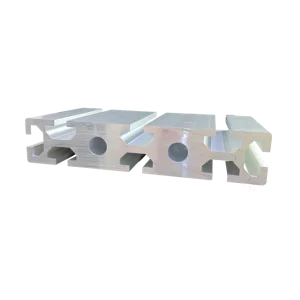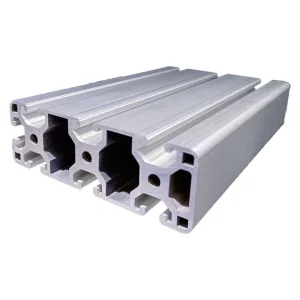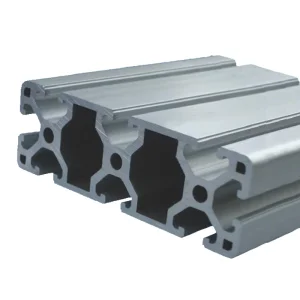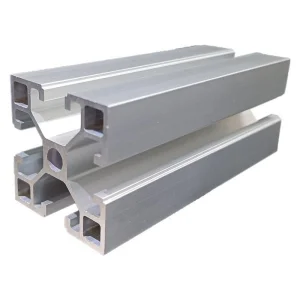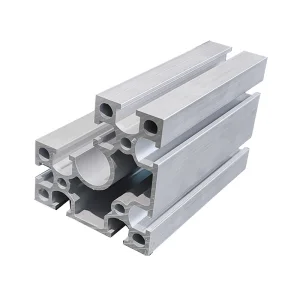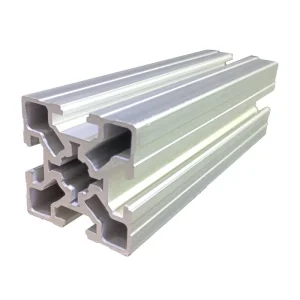
Engineered for robust mechanical brackets, automated assembly enclosures, and precision architectural framing.
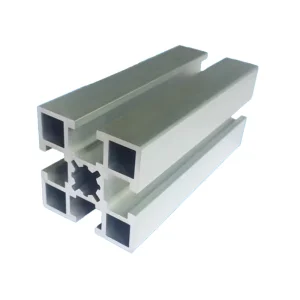
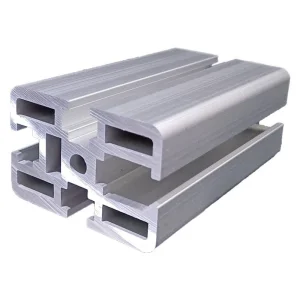
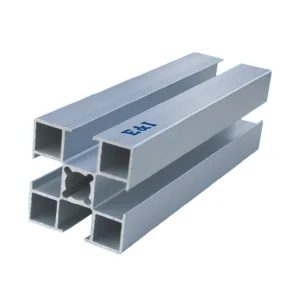
Chengdu E&I Aluminum Industry Co., Ltd. operates with a core philosophy rooted in "people-oriented, quality value, technological innovation, and win-win cooperation". We specialize in the R&D and precision extrusion of highly complex, close-tolerance, and structural aluminum alloy profiles.
Supported by our technological alliance with the National Institute of Nonferrous Metals, our technical team comprises leading light-alloy metallurgists and mechanical structural engineers in China. We supply global industrial hubs with comprehensive alloy services spanning high-yield profiles, precision sand and die castings, and heavy-duty structural forgings.
By deploying advanced alloy characterization, non-destructive testing, and fully automated multi-axis extrusion lines, we maintain the highest quality thresholds. This has made us a strategic supplier to Fortune Global 500 automotive manufacturers, high-speed rail developers, and aerospace companies.
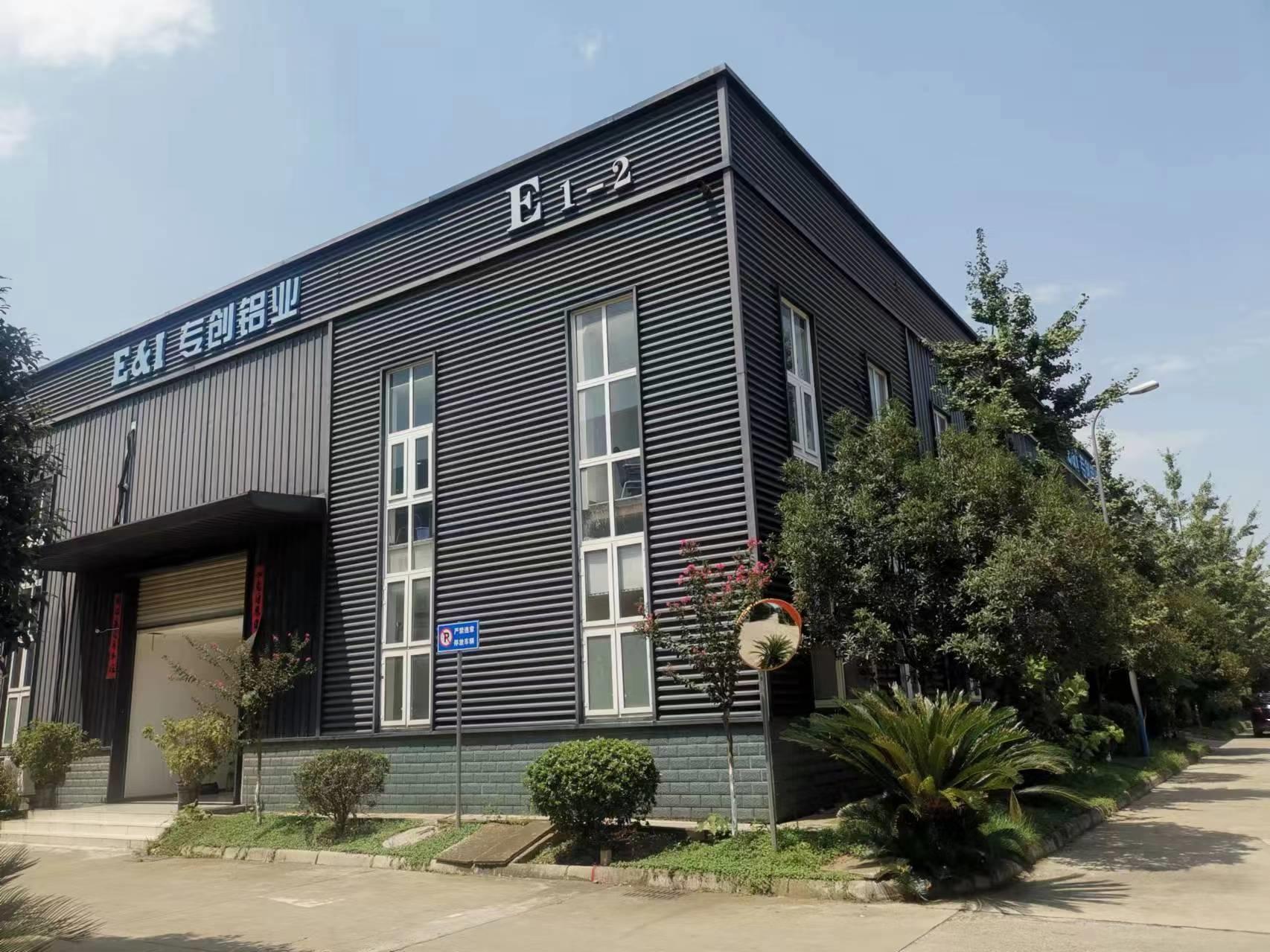
Building the foundation of modern modular structural design through persistent technology investment and human-centric engineering.
We view our engineering and technical staff as our primary competitive asset, offering continuous education, advanced metallurgical training, and competitive compensation structures to drive collaborative innovation.
We exceed basic structural specifications. Our custom profiles offer ultra-precise mechanical tolerances (compliant with EN 12020-2), optimal structural load-bearing parameters, and long-term anti-corrosive lifespans.
We continually reinvest in extrusion chemistry, multi-die engineering, and advanced surface finishes (e.g., hard anodizing and eco-friendly powder coating) to secure a leading technological position.
From initial cross-section CAD designs to onsite component assembly, we work with global OEMs and EPC integrators to ensure low total cost of ownership (TCO) and rapid system commissioning.
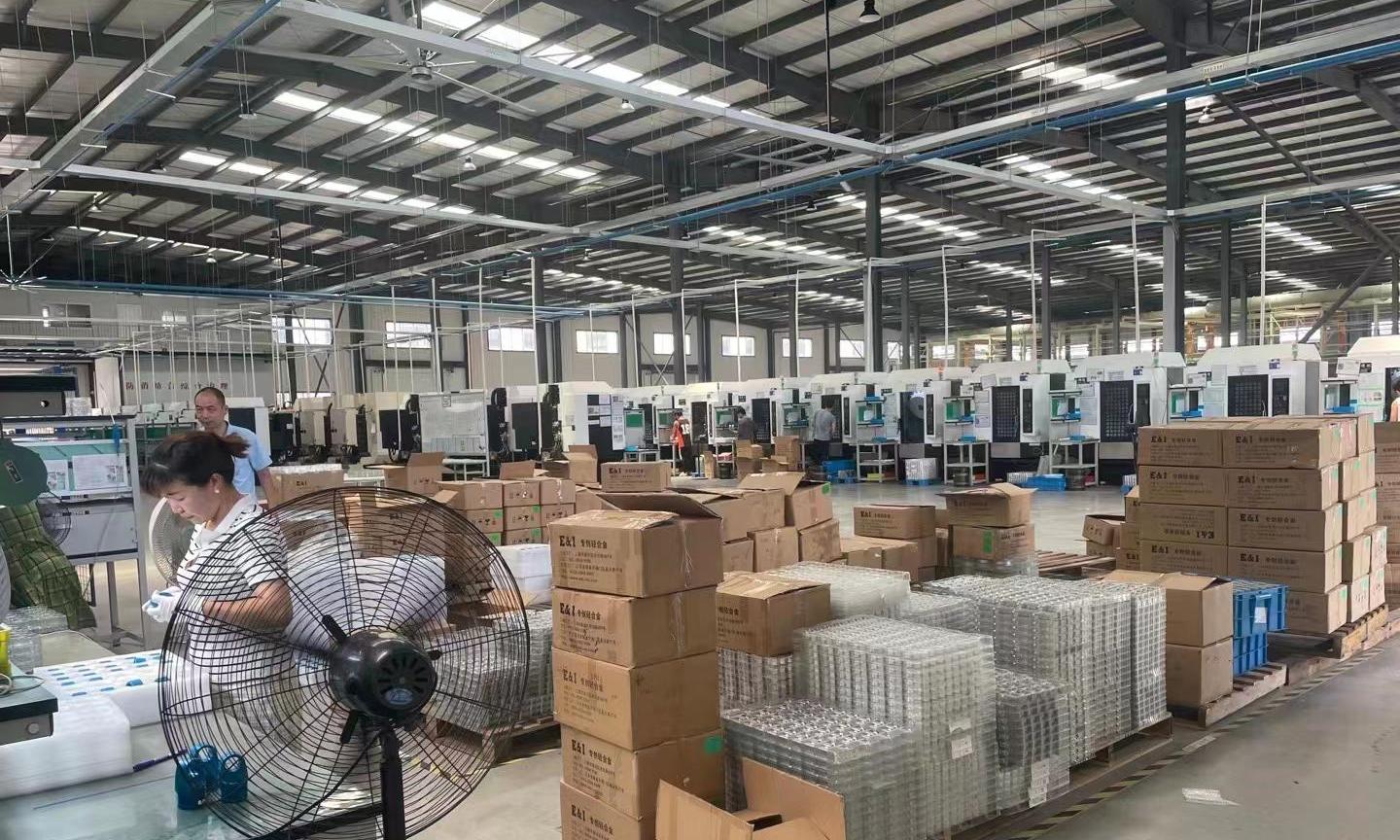
Our production plant features high-tonnage extrusion presses, automated anodizing lines, electrostatic powder coating systems, and precision multi-axis CNC machining centers.
By integrating design and extrusion operations under one roof, we provide a single-source solution for structural profiles, industrial workbenches, automated assembly guardrails, solar supports, logistics storage equipment, and cleanroom enclosures.
Our Mission: To establish new benchmarks for product durability, structural versatility, and metallurgical quality in the global modular framing market, ensuring that our customers benefit from high performance and reliable delivery timelines.
Analyzing the shift from heavy welded steel configurations to lightweight, high-tensile modular aluminum extrusions.
Industry 4.0 demands rapid layout restructuring. Traditional welded steel structures are rigid and require hot work permits. Modular T-slot systems enable clean, rapid reassembly with basic hand tools, significantly reducing factory downtime during line changeovers.
Global procurement mandates require tracking the carbon footprint of products. The inherent recyclability of aluminum makes it highly sustainable. With green primary smelting and clean extrusion energy, we help customers meet Scope 3 emissions requirements.
Innovations in Al-Mg-Si alloys have bridged the yield strength gap. Modern thermal tempering treatments (T5/T6) ensure that profiles like our E&I-8-8080G exhibit the mechanical load capacity of mild structural steel, with only a fraction of the deadweight.
Key physical properties and design tolerances for engineers and procurement managers.
| Profile Designation | Base Alloy & Temper | Tensile Strength (MPa) | Yield Strength (MPa) | Moment of Inertia (Ix cm4) | Ideal Application Scenario |
|---|---|---|---|---|---|
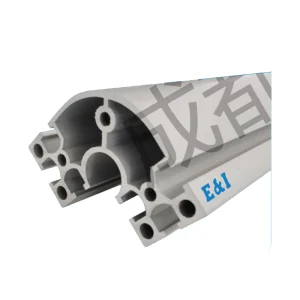
| ENI-6-6630R (Arc Surface) | 6063-T5 / T6 | ≥ 215 | ≥ 170 | 12.45 | Cleanroom frames & collision-proof guards |
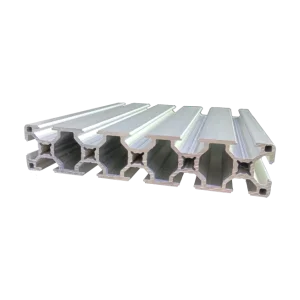
| ENI-8-30150A (Modular Multi-Slot) | 6061-T6 / 6063-T6 | ≥ 265 | ≥ 245 | 198.40 | Heavy-duty linear motion & machine gantries |
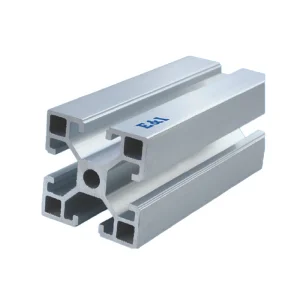
| ENI-8-4040A (High-Strength Alloy) | 6063-T5 | ≥ 205 | ≥ 160 | 9.85 | Standard industrial workbenches & racks |
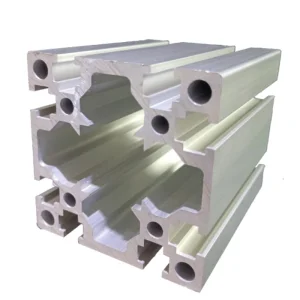
| E&I-8-8080G (Heavy Structural) | 6063-T6 | ≥ 230 | ≥ 190 | 145.20 | Heavy-load machinery brackets & enclosures |
| E&I-10-5050C (Precision Automation) | 6061-T6 | ≥ 290 | ≥ 250 | 28.90 | Vibration-sensitive automation platforms |
Tailored modular framing solutions designed to meet the technical standards of global industries.
Our arc-shaped profiles (such as the ENI-6-6630R) are anodized to reduce particle buildup and support airflow, meeting ISO Class 4 cleanliness requirements.
Heavy-duty profiles (e.g., ENI-8-30150A) are designed for welding robots and battery handling assembly lines. They feature high torsional resistance to handle dynamic forces and repeat operations.
We construct lightweight structural test rigs using customized 6061-T6 frame slot profiles. These rigs minimize weight while maintaining high strength and structural integrity under load.
Our manufacturing processes are verified to comply with major international directives and engineering standards.
We conform to EN 12020-2, which sets precision limits on straightness, twist, and flatness for structural profiles.
Tolerance Control: ±0.03mmSurface finishes conform to MIL-A-8625 Class II, providing 10-15μm thickness for corrosion protection in marine and chemical environments.
Salt Spray Test: ≥ 1000 HoursAll products comply with the European Union's RoHS 3 (2015/863/EU) and REACH requirements, ensuring they are free of hazardous substances.
Eco-Friendly & RecyclableDeveloping next-generation materials and modular designs to support advanced factory automation.
We are developing smart structural profiles with embedded strain gauges and temperature sensors. These sensors monitor load changes in real time, helping to prevent structural issues in high-speed automated systems.
By optimizing our alloy formulations with trace transition elements, we aim to increase structural strength by 15% while reducing the energy needed for extrusion.
Answers to common structural design and material specification questions from engineering teams.
Designed for heavy load-bearing frames, high-precision automated systems, and specialized home applications.