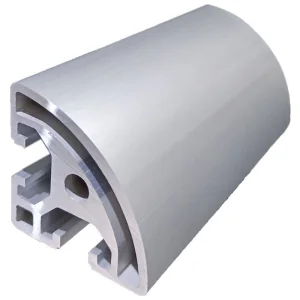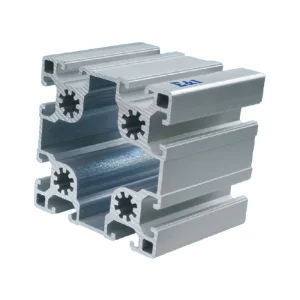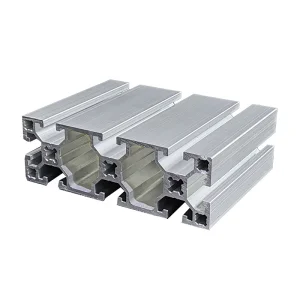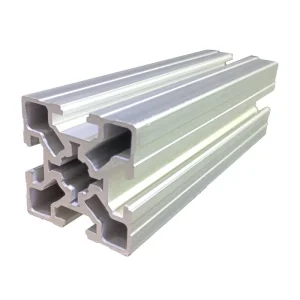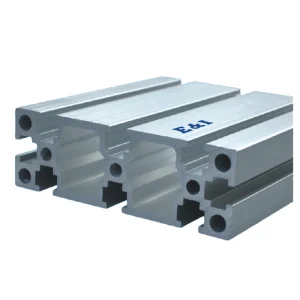
Engineered for durability, modular design, and robust industrial automation application systems.
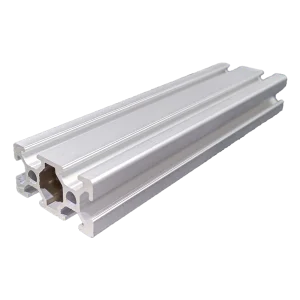
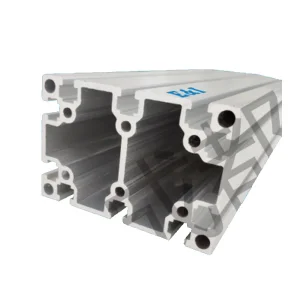
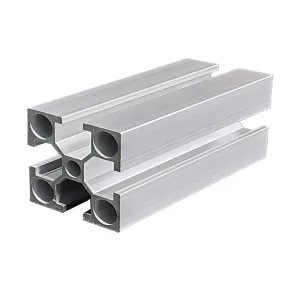
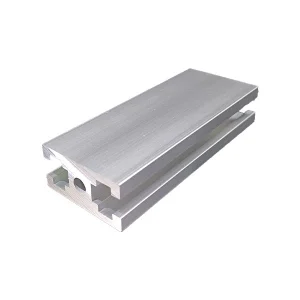
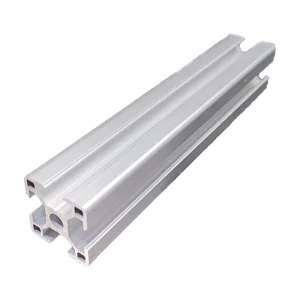
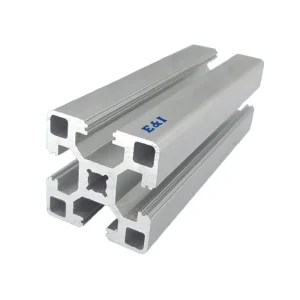
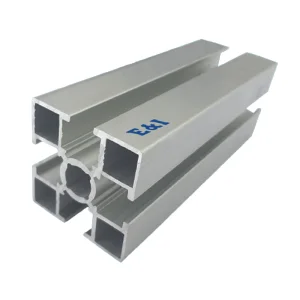
The global industrial landscape relies heavily on the structural capability of Alumina and Aluminium alloys. In line with the business philosophy of "people-oriented, quality value, technological innovation, and win-win cooperation", Chengdu E&I Aluminum Industry Co., Ltd. is dedicated to the research, development, and manufacturing of high-difficulty, high-precision, and high-requirement aluminium alloy profiles, castings, and forgings.
By bridging the gap between raw material extraction (Alumina processing) and downstream engineering applications, we leverage advanced materials sciences to serve the world’s most demanding industries. Our engineering solutions cater to Fortune Global 500 enterprises, particularly in automobile manufacturing, aerospace, and intelligent factory design.
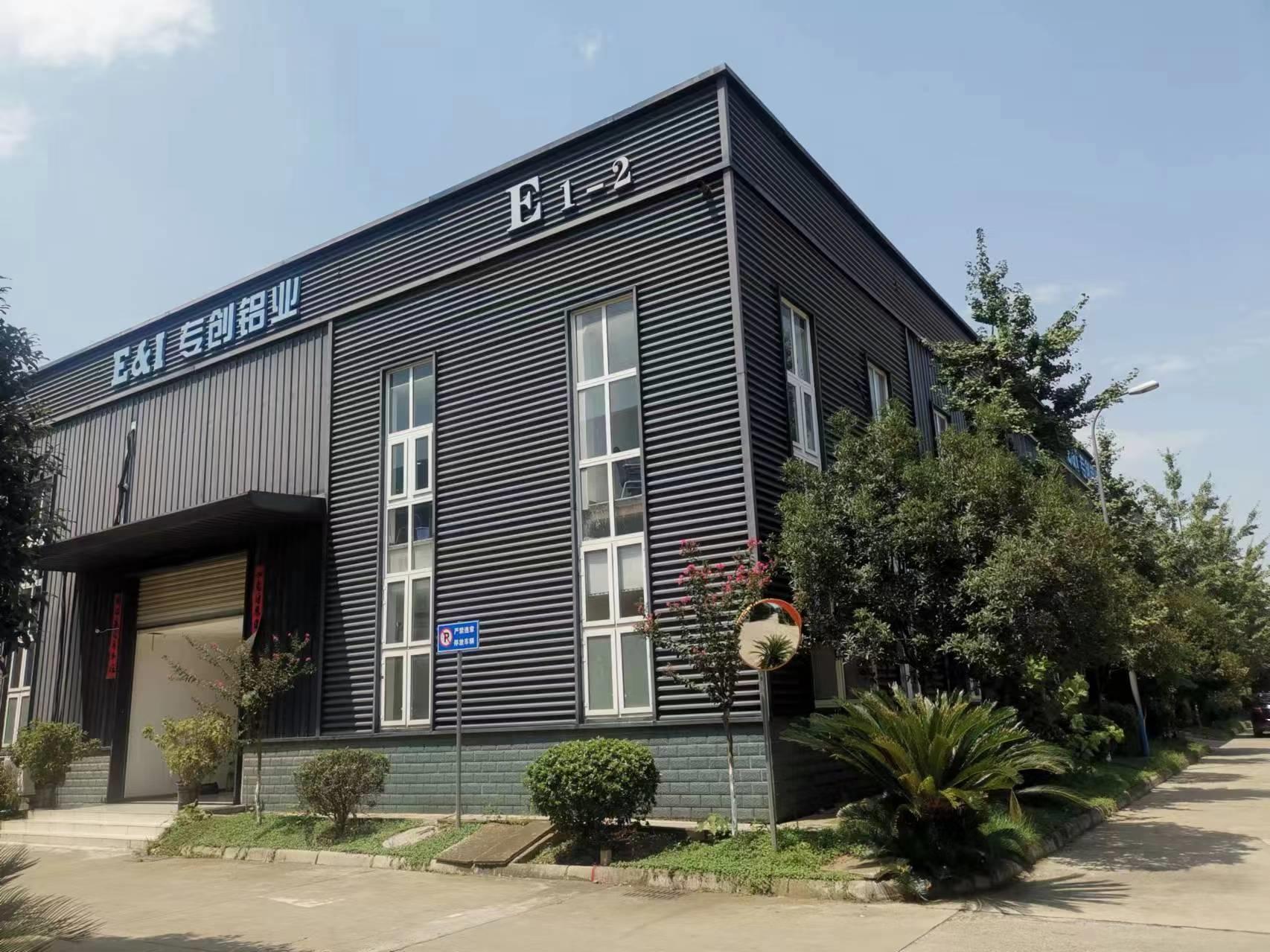
How supply chain dynamics, decarbonization, and advanced extrusion technology are reshaping industrial designs.
The global push towards carbon neutrality has transformed the alumina refining and aluminium smelting processes. Factories are heavily shifting towards renewable energy sources (hydropower and solar) to reduce the carbon footprint of structural extrusions, satisfying strict Scope 3 emission targets for global enterprises.
High-precision applications require alloys like 6063-T5, 6061-T6, and custom 6000 series that combine weldability, high tensile strength, and excellent corrosion resistance. By integrating advanced metallurgical processes with precise heat treatments, the structural durability of assembly lines and display structures is significantly enhanced.
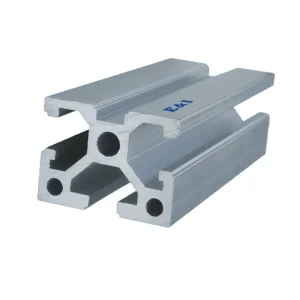
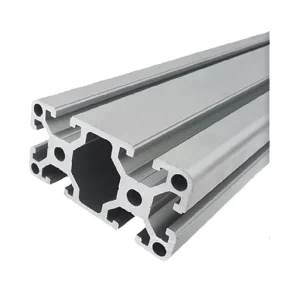
Traditional steel fabrication (welding, painting) is rapidly being replaced by modular T-slot aluminium profile systems. This enables rapid structural modification, light weight, and zero-defect alignment without heavy machinery, minimizing shop-floor downtime during assembly line configurations.
Strategic factors for supply chain directors to ensure quality, cost efficiency, and design compliance.
For industrial automation enclosures and heavy-duty frame combinations, variations in slot width (e.g., 6mm, 8mm, or 10mm) and cross-sectional thickness can render high-precision components unusable. Chengdu E&I addresses this via advanced die technologies and strict metallurgical monitoring, aligning with DIN EN 12020 compliance standards.
In harsh environment electronics and cleanroom applications (such as laboratory clean sheds using the ENI-6-6090 profiles), custom anodizing layers prevent particulate contamination and corrosion. Ensuring uniform film thickness (from 10μm up to 25μm) is crucial for both aesthetic alignment and chemical resilience.
Mechanical integrity relies on structural layout design. Using precision t-slots (like the E&I-10-5050C) allows anti-loosening configurations and shock resistance. Joint engineering is critical under cyclic loads, making selection of high-grade fasteners and structural profile thickness the focal point of procurement teams.
With volatile global shipping schedules and trade barriers, sourcing from a robust, vertically integrated factory that spans casting, mold design, extrusion, surface finishing, and assembly processing is vital to maintain reliable project schedules.
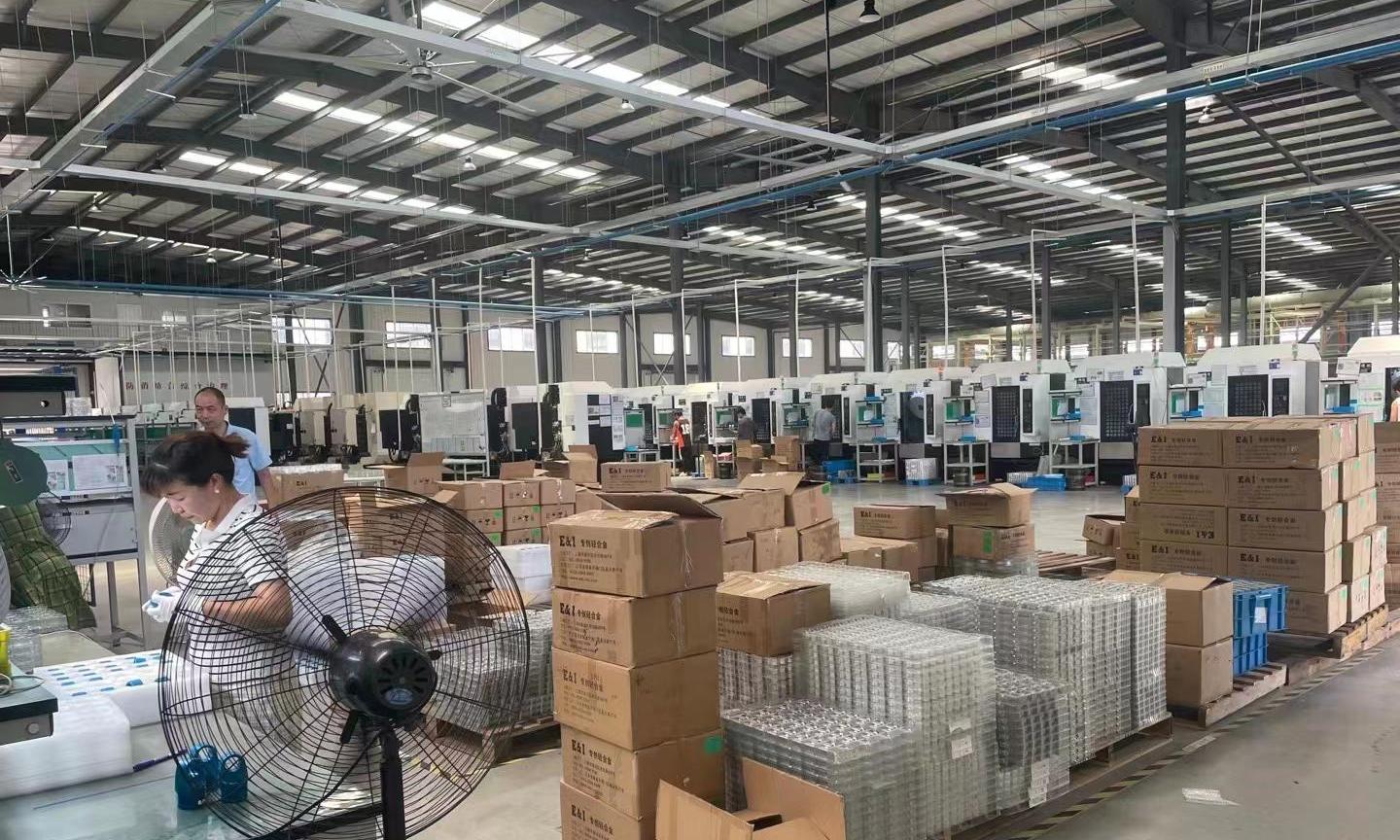
The concept of **Factory 4.0** is fully realized at Chengdu E&I. We operate fully automated extrusion presses, coupled with precise cooling beds, heat-treatment aging furnaces, and modern computer-controlled anodizing lines. This infrastructure ensures uniform physical properties across production batches, whether you order high-volume lightweight display cabinet profiles (ENI-6-2040) or heavy-duty structural alloys (ENI-10-9090).
By leveraging digital inventory, automated packing, and real-time metallurgical validation, we mitigate bottlenecks and deliver optimal value-for-money to our global partners. From custom mold prototyping to large-scale production, our vertical integration supports rapid design modifications while keeping cost models highly competitive.
| Alloy Grade | Tensile Strength (MPa) | Yield Strength (MPa) | Hardness (HB) | Typical Application |
|---|---|---|---|---|
| 6063-T5 | ≥ 160 | ≥ 110 | ≥ 65 | Lightweight frames, door frames, safety guardrails |
| 6061-T6 | ≥ 265 | ≥ 245 | ≥ 95 | Heavy-duty machinery supports, automotive assemblies |
| 6082-T6 | ≥ 310 | ≥ 260 | ≥ 95 | Structural components, offshore transport racks |
From high-tech cleanrooms to heavy-duty automotive assembly lines, here's how custom profiles perform in the field.
Cleanroom environments demand low particulate outgassing and high chemical stability. Utilizing anodized profiles like the ENI-6-6090 guarantees structural rigidness without releasing contaminants. Perfect for medical equipment housings, optical testing booths, and pharmaceutical clean sheds.
Protecting personnel on automated factory floors requires robust, lightweight fencing systems. Our ENI-8-3838B profiles offer custom channel slots to accept wire mesh, polycarbonate shielding, or composite panels, keeping assembly floors safe and layout configurations highly flexible.
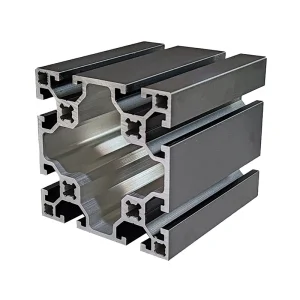
Multiaxis robotic systems generate severe vibrational stresses. Using robust, large-dimension extrusions such as the ENI-8-8080Y or ENI-10-9090 ensures low deflection, high moment of inertia, and secure connection points that withstand continuous industrial operation.
Chengdu E&I Aluminum Industry Co., Ltd. - Built on technical research and win-win partnerships.
We regard our workforce as our greatest asset. By understanding their professional ambitions, we offer competitive salaries, active skill development programs, and safe workplace environments, enabling shared growth.
Providing customers with exceptional aluminium alloys that stand up to structural stresses. Every profile configuration we produce is engineered to deliver outstanding, long-term commercial value.
Continuous investment in light alloy R&D. In partnership with the National Institute of Nonferrous Metals, we develop complex custom molds to achieve unmatched system integration and engineering efficiency.
Creating shared success with our raw material suppliers, engineering clients, and logistics networks. We strive to be a dependable strategic partner that enhances the commercial viability of your projects.
To become one of the top three companies in China's aluminium alloy extrusion and service industry in terms of product competitiveness, technical innovation, and structural solutions. We aim to enable our shareholders, employees, customers, and global partners to benefit from our continuous industrial scale advancement.
Ensuring alignment between our advanced production capacities and your technical requirements.
Deep technical answers to assist designers, engineers, and supply chain managers.
Exacting tolerances, high-precision surface finish, and dynamic structural configurations.