
In today’s competitive market, efficiently sourcing aluminium extruded products is crucial. The aluminium extrusions industry, valued at over $60 billion, has been growing steadily. A report by the Aluminium Extruders Council indicates a projected annual growth rate of 4.5% in the upcoming years. This highlights the increasing demand for tailored solutions in this sector.
Experts emphasize the importance of strategic sourcing. John Smith, a noted industry analyst, states, "Streamlined sourcing processes are key to achieving sustainability and cost-effectiveness in aluminium extrusions." The industry faces challenges, including fluctuating raw material prices and varying supplier reliability. Therefore, navigating these complexities requires keen insights and experience.
Sourcing decisions significantly impact the production timeline and overall product quality. It’s essential to establish strong relationships with suppliers. One needs to focus on quality assurance, as a single defect can lead to costly production delays. Reflecting on these factors can guide organizations in making informed sourcing choices.
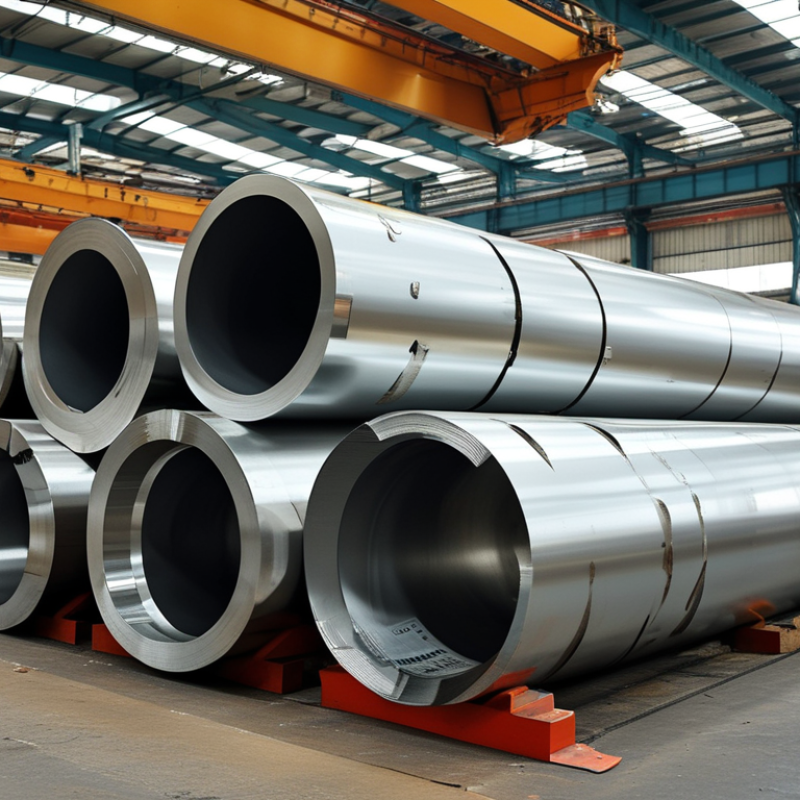
Finding reliable aluminium extrusion suppliers is crucial for efficiency. A well-chosen supplier can significantly reduce lead time and costs. According to recent industry reports, the global aluminium extrusion market is poised to grow at a CAGR of over 5% through 2027. This highlights the increasing competition among suppliers.
Explore different sourcing options. Online platforms connect manufacturers and suppliers, but they come with risks. Conduct thorough background checks on these suppliers. Look for certifications like ISO and industry-related endorsements. A supplier with a good reputation often provides quality assurance and reliability.
Quality communication is vital. Misunderstandings in specifications can lead to suboptimal products. Establish a clear line of communication with potential suppliers. Ask about their quality control processes. Are they transparent about their production methods? This can reveal a lot about their reliability. It's essential to refine your requirements continually. Assessing your needs could prevent costly mistakes down the line. Keep track of supplier performance metrics. Regular assessments will help ensure you choose the best partners.
Quality standards play a crucial role in sourcing aluminium extruded products. They ensure consistency, performance, and safety. According to the International Aluminum Institute, approximately 90% of aluminium is produced under strict quality controls. This is vital, as even minor defects can lead to significant failures in applications. Industries such as construction and automotive require high-grade alloys to meet their demanding specifications.
Adhering to recognized quality standards like ISO 9001 can provide a solid framework. This certification emphasizes continuous improvement and customer satisfaction. Moreover, reports indicate that companies maintaining high standards see a 25% reduction in production costs over time. This is largely attributed to fewer defects and lower rework rates, resulting in better overall efficiency.
Yet, not all suppliers meet these rigorous standards. It’s essential to verify certifications and conduct audits. The variability in quality from different sources can yield disappointment and financial loss. Investing time to evaluate suppliers can save businesses substantial resources. Understanding and prioritizing quality standards will ultimately lead to more reliable aluminium products in the long run.
When sourcing aluminium extruded products, evaluating supplier capabilities is crucial. A supplier’s experience indicates their ability to meet your requirements. Look for suppliers with a solid track record in aluminium extrusion. Ask about past projects to gauge their expertise. Their technical knowledge can significantly impact product quality and performance.
Consider the supplier's equipment and technology. Advanced machinery often leads to precise extrusions and better finishes. Inquire about their production processes. Are they using up-to-date techniques? Next, assess their quality control measures. A reliable supplier implements stringent quality checks. This ensures consistency in the final product, which is vital for your applications.
Communication is also key. A supplier should openly discuss technical specifications and production timelines. If a supplier struggles to answer questions, it may indicate a lack of expertise. Transparency builds trust. Reflect on their responsiveness and willingness to collaborate. This partnership is essential for achieving your goals in sourcing aluminium extrusions effectively.
| Supplier Location | Production Capacity (Tons/Month) | Lead Time (Weeks) | Certifications | Technical Expertise |
|---|---|---|---|---|
| China | 500 | 4 | ISO 9001, ISO 14001 | Advanced extrusion techniques, custom design |
| Germany | 300 | 6 | ISO 9001, AS 9100 | Precision engineering, aerospace applications |
| USA | 400 | 5 | ISO 9001, IATF 16949 | Automotive expertise, rapid prototyping |
| Italy | 350 | 7 | ISO 9001, EN 15085 | Customized solutions, high-quality finishes |
Efficient logistics and supply chain management are crucial for sourcing aluminium extruded products. The process begins with assessing supplier capabilities. Understanding their production capacity helps in planning orders. Building strong relationships with suppliers streamlines communication. This can reduce lead times and improve responsiveness.
Transportation is another key factor. Utilizing multiple shipping options can enhance flexibility. Smaller, local suppliers may offer faster deliveries, while larger suppliers might provide cost advantages. It is essential to analyze costs and benefits carefully. Not all methods are efficient for every project. Sometimes, the trade-off between cost and speed can be tricky.
Data plays a vital role in optimizing logistics. Tracking shipments in real-time can reveal patterns or delays. This information helps in adjusting future orders or routes. However, relying solely on data without on-ground feedback can lead to errors. Regular evaluation of procedures is necessary to identify gaps and improve overall efficiency.
Cost-effective procurement of aluminium extrusions requires a strategic approach. Industry data indicates that global aluminium production reached 60 million tons in 2022, with a significant portion allocated to extrusions. Effectively sourcing aluminum extruded products means focusing on suppliers that prioritize quality and sustainability. Establishing relationships with local suppliers can reduce shipping costs and lead times. An approach like this can save up to 15% on total procurement costs.
Utilizing technology is also essential. Digital platforms provide insights into pricing trends and supplier capabilities. Reports show that companies leveraging technology in procurement can reduce costs by 10-20%. However, many businesses still rely on outdated practices. This means they miss opportunities for savings. Implementing data analytics helps identify trends that can lead to smarter sourcing decisions.
Companies should also consider material waste in their procurement strategy. On average, around 30% of extra material is generated during the extrusion process. Addressing waste not only minimizes costs but improves sustainability. In an industry that is evolving, it’s critical to keep challenging traditional practices. Regular audits can highlight areas of improvement, ultimately leading to smarter, more cost-efficient sourcing practices.
: A reliable supplier can significantly reduce lead time and costs, enhancing overall efficiency.
Conduct thorough background checks and look for certifications such as ISO or industry endorsements.
Inquire about their quality control processes and transparency in production methods.
Establish clear lines of communication to prevent misunderstandings and ensure accurate specifications.
They ensure consistency and safety, reducing the risk of product failures.
Adhering to quality standards can lead to lower production costs and fewer defects in the long run.
Keep track of performance metrics and conduct regular assessments to ensure quality.
No, not all suppliers meet these standards, which can lead to disappointment and financial loss.
Costly mistakes may arise from inadequate supplier evaluations, impacting project outcomes.
Regular assessments are crucial for maintaining reliable partnerships and high-quality products.
In the pursuit of sourcing Aluminium Extruded products efficiently, it is crucial to adopt a systematic approach that involves identifying reliable suppliers, understanding quality standards, and evaluating technical expertise. By implementing strategic sourcing methods, businesses can ensure that their aluminium products meet industry specifications and are produced to high-quality standards.
Furthermore, optimizing logistics and supply chain processes is essential to enhance the delivery and cost-effectiveness of Aluminium Extruded products. Focusing on procurement practices that prioritize value while maintaining product integrity will not only facilitate smoother operations but also lead to significant savings. Ultimately, a comprehensive strategy encompassing supplier evaluation, quality assurance, and efficient logistics can drive a successful sourcing process for Aluminium Extruded products.
