
How to Choose Aluminium Plates for Global Sourcing? The decision begins with more than price. Buyers must match alloy, temper, thickness, width, length, and surface finish with the final application. A marine deck, aircraft component, heat exchanger, and architectural panel require different performance.
Heidi Brock, President and CEO of The Aluminum Association, states, “Aluminum is infinitely recyclable.” That principle matters, but it should not replace technical verification. Ask suppliers for mill test certificates, chemical composition, mechanical results, dimensional tolerances, and traceability records. Standards such as ASTM B209 and EN 485 can help create a clear comparison. Still, certificates alone are not enough. A plate may meet the specification and perform poorly after cutting, welding, or forming.
Look closely at the details.
Global sourcing adds practical risks. Confirm the manufacturing location, production capacity, minimum order quantity, export packaging, lead time, and agreed Incoterm. Inspect wooden crates, edge protection, moisture control, and plate stacking before shipment. These small details can prevent costly bends, scratches, and corrosion stains. Evaluate the supplier’s quality system, independent inspection options, and response time when problems occur.
The cheapest offer may be incomplete. Freight, testing, duties, rejection costs, and delayed production can change the final price. I would also question overly perfect promises. Real suppliers sometimes report capacity limits or minor surface variations. That honesty is useful. A strong Aluminium Plates sourcing plan balances engineering evidence, supplier experience, responsible material practices, and realistic logistics. Accuracy matters more than impressive wording.
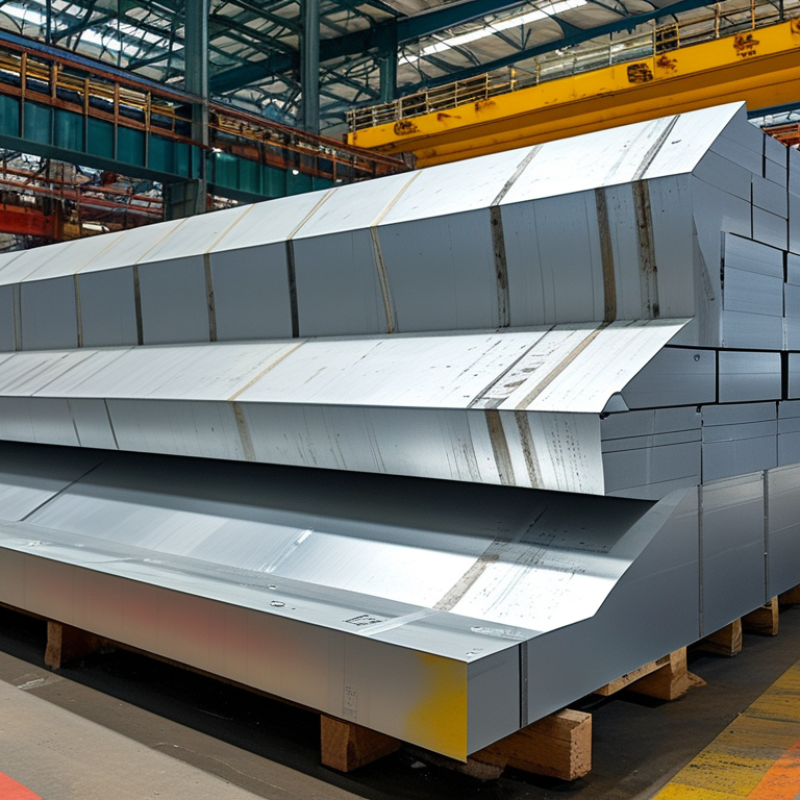
When sourcing aluminium plates globally, define the product before comparing prices.
A plate is usually thicker than sheet, but thickness ranges differ across regional standards. Choose flat-rolled plate for structural work, machined plate for tooling, or cast plate when reduced internal stress matters. Surface condition also affects performance. Mill finish suits many industrial uses, while anodized or coated surfaces support appearance and corrosion control.
Alloy selection should follow the working environment, not habit.
Grade 5083 offers strong corrosion resistance and good weldability for marine structures, tanks, and transport equipment. Grade 6061 balances strength, machinability, and availability in frames, platforms, and general fabrication. Grade 7075 provides higher strength for aerospace components and precision tools, but it is less suitable for routine welding. Temper, such as T6 or H116, changes hardness, formability, and service behavior.
Global buyers should request thickness tolerance, flatness data, chemical composition, mechanical test results, and traceable inspection records. I have seen projects fail because the alloy matched, but the temper did not. That detail matters. Confirm cutting dimensions, packaging, moisture protection, and delivery conditions before placing an order. Applications can look similar while their demands differ sharply: a coastal walkway needs corrosion resistance, while a machined mold needs stability and predictable hardness. One specification rarely fits every market. Recheck it.
Plate selection should begin with the working environment, not the lowest quotation. The International Aluminium Institute reported global primary aluminium production at roughly 70 million tonnes in 2023. This scale supports broad supply, but alloy quality still varies by specification, temper, and mill process.
For structural loads, 6061-T6 offers a useful balance of strength and machinability. Typical data shows yield strength near 240 MPa.
For marine exposure, 5083-H116 provides stronger corrosion resistance, while 5052-H32 suits formed covers and tanks. Values can change by thickness and supplier certification.
Corrosion deserves practical testing. Salt spray results may not represent a wet warehouse, coastal platform, or contact with steel fasteners. Request chemical composition, temper, thickness tolerance, and inspection records.
EN 485 and ASTM B209 provide useful purchasing references. The IAI also notes that recycled aluminium can require about 5% of the energy used for primary production. Yet recycled content alone does not guarantee the right performance. Traceability matters more than a green label.
Tips: Match alloy to the real failure risk. Check yield strength, bend radius, and weldability together. Ask for samples before approving a container-volume order.
Measure flatness with a straightedge, not only a certificate. Small oversights become expensive at scale.
I sometimes overvalue strength; a harder plate can crack during forming. Include corrosion exposure, fabrication trials, and delivery tolerances in the same sourcing review.
How to Choose Aluminium Plates for Global Sourcing?
Set dimensions before requesting quotations. State length, width, and thickness clearly. Include the cutting method and permitted edge condition. A plate listed as 10 mm may measure slightly differently after processing. This matters during welding, bending, and machining. Ask suppliers to confirm actual dimensions, not only nominal sizes. Specify tolerances using recognized standards or your approved drawing. Loose tolerances can reduce cost, but they may create assembly problems. Tight tolerances increase inspection time and waste. Choose only what the application needs.
Surface finish deserves equal attention. Define whether the plate will be mill-finished, brushed, polished, anodized, or protected with film. Describe visible defects with photographs or physical samples. A bright surface can reveal scratches that a dull finish hides. Ask how plates are packed, especially for long-distance transport. Moisture, sliding, and corner damage are common risks. I have seen acceptable material become unusable because the protective film failed. That detail is easy to overlook.
Tips: Request a sample report before placing a large order. Check chemical composition, mechanical properties, thickness readings, and surface condition. Confirm the inspection standard, certificate format, and traceability marks. Use third-party inspection for unfamiliar suppliers or critical parts. Do not rely on certificates alone; test a sample when failure is costly. A clear checklist helps, though it will never replace practical judgment. Reconsider specifications after the first shipment. Real production feedback often exposes assumptions hidden in the drawing.
Set dimensions, tolerances, surface finishes, and quality standards before requesting quotations.
Specify alloy, temper, thickness, width, length, and cutting allowance. Use millimetres and state whether dimensions are nominal or finished.
Reference the applicable standard, such as ASTM B209 or EN 485, instead of using vague terms such as “standard tolerance.”
Define mill finish, brushed, anodized, or painted surface requirements, including appearance limits and protection during transport.
Request material certificates, heat or lot traceability, chemical composition, mechanical properties, and inspection records.
The chart shows minimum tensile and yield strength values commonly specified for selected aluminium plate alloys and tempers under ASTM B209. Actual values depend on thickness, temper, product form, and the governing edition of the standard.
Choosing aluminium plates for global sourcing requires more than comparing thickness and alloy. Start with suppliers that can show consistent production records, inspection procedures, and export experience. Request recent mill test certificates, not generic samples. Check alloy grade, temper, dimensions, surface finish, and chemical composition. Ask how flatness is controlled during cutting and packing. A video inspection can reveal storage issues, but it cannot replace independent testing. I have seen attractive samples hide uneven edges and weak packaging. That lesson still matters.
Tips: Build a supplier scorecard before requesting quotations. Give clear weights to quality, delivery reliability, documentation, and communication. Verify certifications through the issuing body when possible. Certificates should match the facility, product scope, and current validity period. For pricing, compare identical specifications and quantities. Include cutting, packing, testing, inland transport, and insurance. A low unit price may become expensive after port delays or rejected plates. Leave room for mistakes; forecasts are rarely perfect.
International trade terms must be written precisely in the purchase contract. Confirm who handles export clearance, freight, insurance, unloading, and import duties. Match the selected term with your team’s actual capabilities. If nobody checks documents, risk increases quickly. Define payment milestones, inspection rights, tolerance limits, claims procedures, and replacement timing. Ask for a pre-shipment report with photos, batch numbers, and package measurements. Keep a small trial order first. It may cost more, but it tests the supply chain before volume commitment.
A reliable purchase begins with a physical sample, not only a technical sheet. Check the alloy, temper, thickness, length, width, and surface finish against your order. Use a calibrated micrometer at several points. Small thickness variations can affect machining and forming. Inspect edges for cracks, burrs, or uneven cutting. I once trusted a single measurement and missed a corner variation. That mistake changed my inspection routine.
Packaging deserves equal attention. Plates should be separated with suitable protective material and secured on strong pallets. Moisture barriers help prevent staining during ocean transport. Ask for photos showing pallet structure, corner protection, labels, and loading conditions. Packaging may look acceptable in a warehouse but fail after weeks of vibration. Review it critically.
Documentation should match the physical goods. Request the commercial invoice, packing list, certificate of analysis, material traceability details, and inspection report. Confirm that heat numbers and quantities match every bundle. Shipment readiness also includes agreed delivery terms, container planning, marking requirements, and export documents. A pre-shipment inspection can reveal problems before loading. However, no checklist is perfect. Recheck high-risk details, especially dimensions, weights, and document consistency, before approving dispatch.
Plate is generally thicker than sheet, but regional definitions vary. Confirm the supplier’s thickness range. Flat-rolled plate suits structural work. Machined plate supports tooling. Cast plate can reduce internal stress.
Match the alloy to the working environment and fabrication method. Grade 5083 suits marine structures, tanks, and transport equipment. Grade 6061 balances strength, machinability, and availability. Grade 7075 offers higher strength but performs poorly in routine welding.
Grade 5083-H116 provides strong corrosion resistance for marine exposure. Check the actual thickness and certification. Coastal air, saltwater, and steel fasteners can create different risks. Laboratory salt testing is not always enough.
It often provides a practical balance of strength and machinability. Typical yield strength is near 240 MPa, depending on thickness and certification. It suits frames, platforms, and general fabrication. Welding may reduce local strength.
Temper changes hardness, formability, and service behavior. T6 can improve strength but may reduce forming flexibility. H116 supports certain corrosion-resistant applications. The correct alloy with the wrong temper can still fail.
Request chemical composition, mechanical test results, thickness tolerance, and flatness data. Ask for inspection records and material traceability. Confirm heat numbers and quantities on every bundle. Paperwork must match the physical plates.
Use a calibrated micrometer at several points. Check length, width, thickness, flatness, and surface condition. Inspect edges for cracks, burrs, and uneven cuts. Measure with a straightedge too. Certificates alone are not enough.
Plates should be separated with protective material and secured on strong pallets. Moisture barriers help prevent staining. Request photos of corner protection, labels, and loading conditions. Packaging can fail after weeks of vibration. Check it twice.
No. Test a physical sample before approving container-volume quantities. Try the planned bending, machining, or welding process. Check dimensions after fabrication. I sometimes overvalue strength; harder plate can crack during forming. That remains worth reconsidering.
Choosing the right Aluminium Plates for global sourcing requires a structured evaluation from material selection to shipment preparation. Begin by identifying the plate type, alloy, temper, and intended application, then match these characteristics to required strength, corrosion resistance, weight, weldability, machinability, and forming performance. Different industries may require different combinations of durability, conductivity, and fabrication flexibility.
Next, define exact dimensions, thickness ranges, tolerances, surface finishes, and quality requirements before requesting quotations. Supplier assessment should include production capability, quality-control procedures, relevant certifications, pricing transparency, lead times, and suitable international trade terms. Before placing a large order, verify samples and test reports against the agreed specifications. Confirm that packaging can protect the plates from moisture, scratches, deformation, and handling damage during transport. Finally, review commercial invoices, packing lists, certificates, labeling, and shipment readiness to reduce delays and ensure the order arrives in the expected condition.
