When choosing the right extrusion machining process, understanding your specific needs is crucial. Dr. Jane Thompson, a leading expert in extrusions, states, "Selecting the appropriate process can greatly enhance production efficiency and product quality." Her insights highlight the importance of this decision in manufacturing.
Extrusion machining is a versatile and efficient method used in various industries. However, navigating the different types can be daunting. Factors such as material properties, desired shapes, and production volume play critical roles. For instance, thermoplastic extrusion benefits from rapid production speeds, while metal extrusion may focus on precision and strength.
It's easy to overlook the fine details that affect extrusion success. Each project demands careful consideration and a tailored approach. A wrong choice can lead to increased costs and delays. Therefore, reflecting on your specific requirements is essential. Ultimately, the right extrusion machining process can transform your production capabilities, fostering innovation and durability in your products.
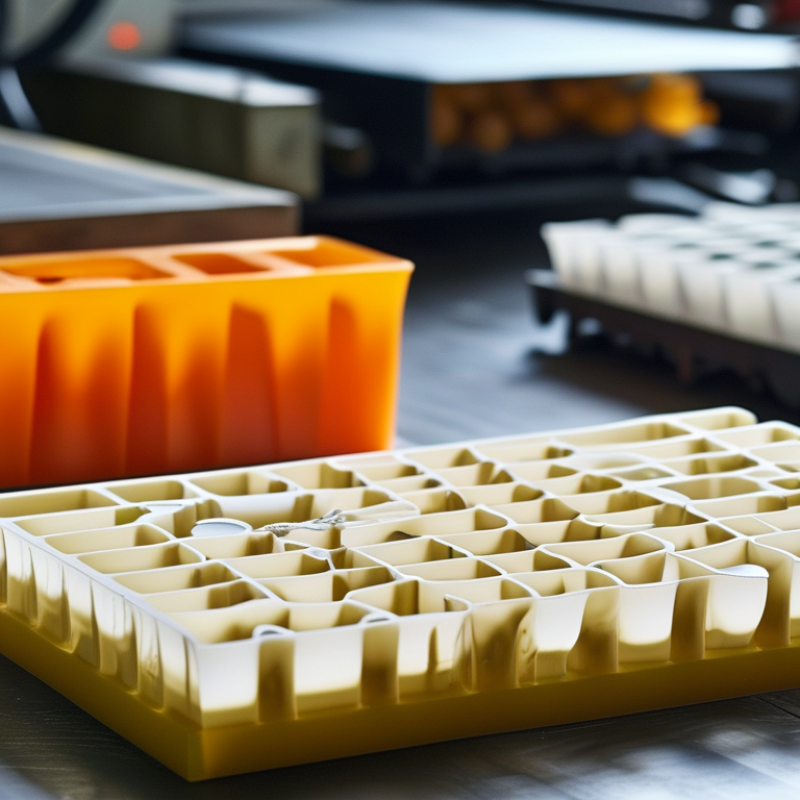
Understanding Extrusion Machining: Key Concepts and Definitions
Understanding extrusion machining is crucial for optimizing production processes. This method shapes materials by forcing them through a die, creating products with consistent cross-sections. In 2022, the global extrusion market size was valued at over $180 billion, indicating significant industry investment and demand. Various materials can be extruded, including metals, plastics, and ceramics, each requiring specific techniques and equipment.
Key benefits of extrusion machining include precise dimensions and lower material waste. However, different processes, such as direct and indirect extrusion, serve distinct purposes. Direct extrusion forces material through the die, while indirect extrusion pushes the die instead. A recent survey showed that over 65% of manufacturers prefer direct extrusion for its efficiency in producing long lengths of material. Still, the choice between methods often depends on the material type and production volume.
Recognizing these fundamentals is essential when selecting the right extrusion machining process. The complexity of the materials and the required properties can make the decision challenging. Production costs also vary, which can affect the final product's pricing and feasibility. A careful analysis of these factors enhances the chances of a successful project outcome, ensuring alignment with business goals.
Extrusion Machining Process Types and Their Popularity
Types of Extrusion Processes: Comparing Techniques and Applications
When deciding on an extrusion process, understanding the various techniques is crucial. There are several types of extrusion processes, each suited for different materials and applications. For instance, direct extrusion involves pushing material through a die, while indirect extrusion pulls material. Each method has distinct advantages and limitations. Direct extrusion can produce complex shapes but may generate internal stresses. Indirect extrusion often results in better surface finishes but is less versatile in geometry.
Another variation is impact extrusion, commonly used for metals. This method compresses the material quickly and can create very thin walls. It’s efficient but requires precise control over the process to prevent defects. Additionally, there’s the retrofit extrusion technique, a newer method combining traditional approaches with modern technology. It promises improvements but lacks extensive data on its long-term reliability.
Choosing the right process often involves trial and error. Factors such as material properties, desired product dimensions, and production volume must be considered. Experimenting with different techniques can uncover unexpected challenges. Each situation presents unique variables that may require adjustments. The most efficient process today might not be effective tomorrow. Staying informed and adaptable is essential for success in manufacturing and extrusion.
How to Choose the Right Extrusion Machining Process for Your Needs?
| Extrusion Process |
Material Types |
Applications |
Advantages |
Limitations |
| Direct Extrusion |
Metal, Plastic |
Pipes, Rods, Profiles |
Simple process, Low cost |
Limited material shapes |
| Indirect Extrusion |
Metal |
Hollow Sections |
Better surface finish, More complex shapes |
Higher cost, More complex tooling |
| Hot Extrusion |
Aluminum, Copper |
Automotive Parts, Aerospace Components |
Improved mechanical properties |
Energy intensive, Possible oxidation |
| Cold Extrusion |
Steel, Aluminum |
Fasteners, Gears |
Minimal waste, High precision |
Limited to softer materials |
| Blown Film Extrusion |
Plastic (Polyethylene) |
Packaging Films, Plastic Bags |
Thin films, High output rate |
Lower thickness control |
Evaluating Material Selection for Extrusion: What You Need to Know
Choosing the right material for extrusion machining can significantly impact the final product's quality and performance. When evaluating materials, consider the mechanical properties required, such as strength and flexibility. For example, thermoplastics like PVC offer good fluid resistance, while aluminum provides excellent structural integrity. Each material has unique characteristics that can affect production costs and durability.
It's also essential to assess the thermal properties of potential materials. High-temperature applications may require materials that can withstand greater heat without deforming. The processing temperature can vary widely between materials, influencing the extrusion process. Additionally, environmental factors, such as humidity and exposure to chemicals, should be considered.
Mistakes in material selection can lead to production issues. Sometimes, engineers choose materials based on familiarity rather than suitability. It's crucial to test new materials and obtain data on their performance. Patterns of failure in past projects can reveal valuable insights. Conducting thorough research can save time and resources in the long run. Understanding these factors enhances decision-making for successful extrusion machining outcomes.
Identifying Your Project Requirements: Customization and Specifications
When selecting an extrusion machining process, understanding project requirements is crucial. Customization significantly impacts the final product's performance. According to a recent industry report, 70% of manufacturers highlighted the importance of tailored specifications to meet specific application needs. Precision in dimensions and material selection plays a vital role. Each project may require different thermoplastics or alloys based on strength, flexibility, and thermal resistance.
Identifying precise specifications leads to better efficiency and reduced waste. A survey indicated that 60% of businesses experience cost overruns due to unclear project goals. Fluctuating market demands can further complicate these choices. Engineers often face challenges in determining the right extrusion parameters, leading to potential rework. In some cases, even minor deviations in design can significantly affect durability. Thus, articulating clear project goals ensures a smoother production process and meets expected timelines.
Customization also involves understanding the limitations of extrusion methods. Certain shapes and sizes are easier to produce than others. It’s essential to question whether the desired complexity can be achieved efficiently. On occasion, the trade-offs between material properties and manufacturing capabilities need to be evaluated critically. Engaging with experts can provide insights and may lead to alternative ideas that fit both budget and performance requirements.
Cost Considerations in Extrusion Machining: Budgeting for Success
Cost considerations play a crucial role in selecting the right extrusion machining process. Different processes come with varying costs. Understanding your budget is essential for a successful outcome. Often, businesses underestimate the expenses involved. This can lead to financial strain and project delays.
When planning, consider all aspects of extrusion machining. Material costs, labor, and overhead should be factored in. Some techniques require specialized machinery, which adds to expenses. In contrast, simpler processes may save money but could compromise quality. It's vital to balance cost and quality to meet your project goals.
Reflecting on previous projects can provide insights. Did unexpected costs arise? Were there compromises made? Learning from past experiences can improve future budgeting decisions. Engage with industry experts to gain a better understanding of realistic costs. Their insights can guide your budget planning effectively, enhancing project success rates.
FAQS
: Extrusion machining shapes materials by forcing them through a die. It creates products with consistent cross-sections.
Various materials can be extruded, including metals, plastics, and ceramics. Each requires specific techniques.
It allows precise dimensions, effectively minimizing material waste during the production process.
Direct extrusion and indirect extrusion. Direct pushes material through a die, while indirect pushes the die itself.
Clear specifications lead to better efficiency and reduced waste. Unclear goals often result in cost overruns.
Customization affects performance. Tailored specifications meet application needs and ensure better material selection.
Engineers may struggle with determining the right parameters. Minor design deviations can impact durability and efficiency.
Some shapes are easier to produce. It's crucial to evaluate if complexity can be achieved efficiently.
Costs, material properties, and the project's complexity all need careful analysis to enhance project success.
Experts provide insights and alternative ideas that fit both budget and performance, optimizing project outcomes.
Conclusion
Extrusion Machining is a vital manufacturing process that transforms raw materials into desired shapes through a series of defined techniques. Understanding the key concepts and definitions surrounding extrusion machining is essential for effectively choosing the right process. Various types of extrusion techniques and their applications are compared to help determine which method best suits specific project needs.
Material selection plays a critical role in the extrusion process; factors such as material properties and compatibility must be carefully evaluated. Additionally, identifying project requirements, including customization and specifications, is crucial for achieving optimal results. Finally, cost considerations must be factored into the planning phase to ensure appropriate budgeting for success in extrusion machining projects. With careful analysis and preparation, one can effectively navigate the complexities of extrusion machining to meet their unique manufacturing needs.