
Aluminium extrusion is a pivotal process in various industries, shaping aluminum into complex profiles. As demand for lightweight materials grows, this method has gained immense popularity. According to a recent report by Smithers Pira, the global aluminum extrusion market is projected to reach $50 billion by 2025. This underscores the industry's significance and potential for innovation.
Expert Dr. Emily Johnson, a leading figure in the field, states, "Aluminium extrusion offers unparalleled versatility for engineers and designers." This highlights the process’s importance in creating custom solutions across sectors like automotive, aerospace, and construction. The lightness and strength of extruded aluminum make it ideal for enhancing energy efficiency in products.
Despite its advantages, challenges persist in the aluminium extrusion industry. Environmental concerns regarding energy consumption and recycling remain critical. Companies are urged to adopt sustainable practices to mitigate these issues. The drive for innovation must also balance efficiency with ecological responsibility. The journey of aluminium extrusion is ongoing, filled with both opportunities and hurdles.
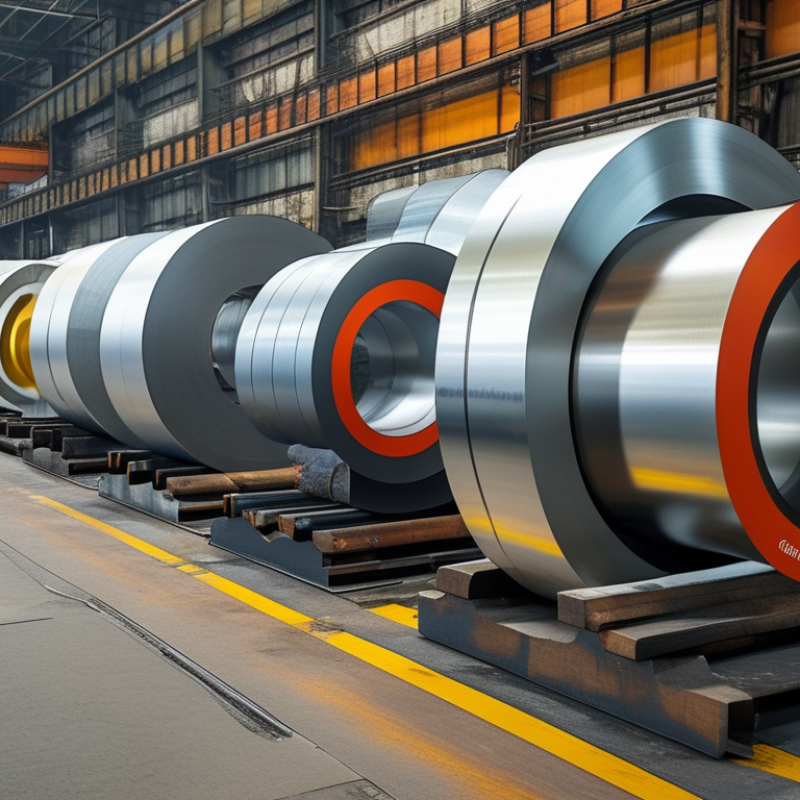
Aluminium extrusion is a manufacturing process that transforms aluminium alloys into specific shapes. In this process, raw aluminium is heated until it becomes malleable. Then, it is forced through a die with a desired cross-sectional shape. This technique allows for the creation of lightweight yet strong components used across various industries.
One key advantage of aluminium extrusion is its versatility. It can produce complex shapes and sizes, making it ideal for unique applications. Builders often use extruded aluminium frames, conduits, or structural parts. Additionally, the smooth finish of extruded profiles reduces the need for additional processing, saving time and costs.
When considering aluminium extrusion for projects, think about the application. Proper design can significantly enhance the strength and appearance of the finished product. Note that not all designs are equally efficient. Regularly evaluate your design against performance requirements. This practice helps avoid potential waste and rework. Always consult with experts to ensure that your project specifications align with the best extrusion techniques.
Aluminium extrusion is a manufacturing process that transforms aluminium billets into desired shapes. This is achieved by forcing the heated metal through a shaped die. The high ductility of aluminium makes it an ideal candidate for extrusion. It allows for the production of complex cross-sections, which are often used in structural applications and various consumer products.
During the extrusion process, the aluminium is first heated to a specific temperature. This reduces its strength, making it easier to shape. The heated aluminium is then pushed through the die using a hydraulic press. This creates long lengths of aluminium with uniform cross-sections. A key advantage of this technique is its efficiency. Manufacturers can create parts with minimal waste while achieving tight tolerances.
When considering aluminium extrusion, here are a few tips. Understanding the mechanical properties of the aluminium alloy is crucial. Not all alloys are suitable for every application. Additionally, think about the end-use of the extruded product. Certain surface finishes may be required, affecting the production process. Finally, ensure you have a reliable supplier familiar with extrusion techniques to avoid potential pitfalls. Choosing the right partner can significantly impact the quality of the final product.
Aluminium extrusion plays a crucial role in various industries due to its lightweight and strength. In the automotive sector, extruded aluminium is used for lightweight parts, enhancing fuel efficiency. It is common in frames, bumpers, and heat exchangers. These components are not only durable but also recyclable, adding to their appeal. However, many manufacturers struggle with the balance between weight and strength, often needing to rethink their designs.
The construction industry also benefits significantly from aluminium extrusion. Windows, doors, and curtain walls often utilize extruded sections. These applications provide high performance with reduced maintenance. While the advantages are clear, the challenge lies in ensuring proper installation to avoid issues like thermal expansion. Even minor miscalculations can lead to significant problems later.
In electronics, lightweight aluminium housings protect sensitive components. They also provide effective heat dissipation. Yet, manufacturers must pay attention to the aesthetic aspect, as customers desire appealing designs. Finding this balance is essential but tricky. Each of these applications showcases the adaptability of aluminium extrusion while reminding us of the challenges that require ongoing reflection and improvement.
Aluminium extrusion offers notable advantages across various industries. The process involves forcing heated aluminium through a shaped die, resulting in long shapes with consistent cross-sections. This technique is prized for its versatility, enabling the creation of intricate designs tailored to specific applications. Manufacturers appreciate how the extruded components are lightweight yet strong, which makes them ideal for sectors like aerospace and automotive.
Another significant benefit is the cost-effectiveness of aluminium extrusion. The material is abundant and recyclable, contributing to sustainability efforts. Moreover, the extrusion process itself can be efficient, reducing production time and waste. Many companies are finding ways to maximize these benefits while minimizing environmental impact. Still, some issues arise, such as ensuring the proper alloy choice for certain applications.
Moreover, the surface finish of extruded aluminium can vary. Aesthetic options are available, but achieving the desired look can sometimes be challenging. Not every project goes smoothly, and careful planning is essential to tackle potential flaws during production. Learning from these experiences allows for better designs and implementations in future projects. Overall, aluminium extrusion remains a valuable method in industrial applications, albeit with its nuances.
The future of aluminium extrusion technology is bright and evolving. One significant trend is the push towards lightweight designs. Industries are seeking to reduce weight without sacrificing strength. This trend is particularly evident in the automotive and aerospace sectors. By using advanced alloys, manufacturers can achieve stronger and lighter components.
Additionally, automation plays a crucial role in improving efficiency. Smart factories are leveraging robotics and AI to streamline production. This not only enhances precision but also reduces waste. Yet, these advancements come with challenges, such as the need for skilled labor to manage sophisticated systems.
Another noteworthy trend is sustainability. The focus on eco-friendly practices grows stronger. Companies are investing in recycling technologies to use waste materials. This shift reflects a broader industry commitment to reducing carbon footprints. However, the journey towards complete sustainability may be slower than desired. It requires ongoing innovation and collective effort from all stakeholders involved.
| Application Area | Material Type | Process Description | Current Trends |
|---|---|---|---|
| Automotive | Aluminium Alloys | Extrusion of lightweight profiles for structural components | Increased focus on electric vehicle applications |
| Construction | Architectural Aluminium | Production of window frames and curtain walls | Sustainability in building materials |
| Consumer Goods | High Purity Aluminium | Extrusion for lightweight, durable products | Design innovation and customization options |
| Electronics | Aluminium Alloy 6063 | Profiles for heat sinks and casings | Miniaturization and improved thermal performance |
: Aluminium extrusion is a process that shapes aluminium alloys by heating them and forcing them through a die.
It creates lightweight, strong components in various shapes, ideal for many industries, saving time and costs.
It's used for parts like frames and bumpers, enhancing fuel efficiency while ensuring components are durable and recyclable.
They often struggle to balance weight and strength, leading to design reevaluation for better efficiency.
Proper installation is crucial to prevent issues like thermal expansion, which can cause significant future problems.
Manufacturers must ensure designs are appealing, as customers value both functionality and aesthetics in aluminium housings.
Trends include lightweight designs, automation for efficiency, and a stronger focus on sustainability in production processes.
Automation improves production precision and reduces waste, but it also requires skilled labor to manage these systems.
They're investing in recycling technologies to minimize waste and reduce carbon footprints. Progress may be slower than expected.
The shift towards sustainability and efficiency involves challenges that demand continuous reflection and improvement from all involved.
Aluminium extrusion is a manufacturing process where aluminium is pushed through a die to create various shapes and profiles. This technique allows for the production of lightweight, strong, and corrosion-resistant components that are essential in various industries, including construction, automotive, and aerospace. The aluminium extrusion process involves heating the metal, facilitating its flow through the die, and then cooling it to solidify the shape.
The applications of aluminium extrusion are extensive, ranging from window frames and structural components to intricate parts in machinery. The advantages of using aluminium extrusion include its efficiency, versatility, and the ability to create complex geometries while minimizing waste. As industries continue to seek sustainable and efficient materials, future trends in aluminium extrusion technology are likely to focus on enhancing production techniques and expanding its applications to meet evolving market demands.
